Marbella Is Going After the World's Biggest Spenders: How DUCO Spain & Portugal 2026 Signals a New Era for Luxury Tourism
An operational breakdown of DUCO 2026 in Marbella: connecting 170 luxury travel advisers with regional hospitality to drive year-round, high-yield tourism.
By Wellington Almeida · Updated 27 OCT 2026
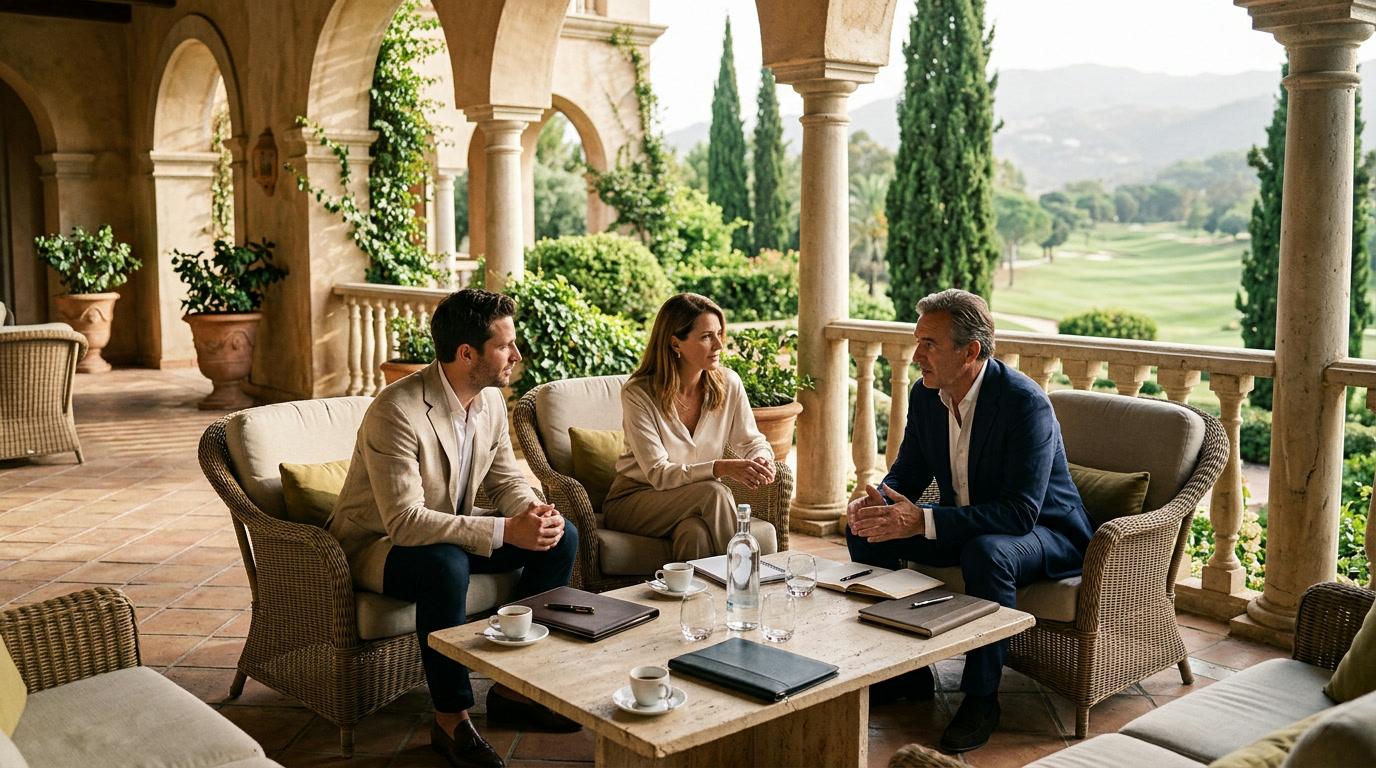
Marbella Is Going After the World's Biggest Spenders
Marbella has never been a destination that needed to explain its appeal to wealthy international visitors. Its Mediterranean coastline, private villas, high-end hotels, golf courses, beach clubs and established social scene have attracted affluent travellers for decades. Yet the city is now making a more deliberate effort to strengthen its position in the international luxury travel market, competing not simply for more visitors, but for travellers who spend more, stay longer and seek experiences that cannot easily be replicated elsewhere.
The latest sign of that ambition came in October 2026, when Marbella hosted DUCO Spain & Portugal for the second consecutive year. The international travel industry gathering brought together 227 brands, 235 exhibitors and more than 170 travel agents specialising in premium and luxury travel. The event took place from 19 to 23 October, connecting Spanish and Portuguese hospitality businesses with international travel professionals who advise clients looking for exclusive destinations and personalised experiences.
For Marbella, the significance of DUCO goes beyond the prestige of hosting an international industry event. It reflects a broader tourism strategy focused on reaching influential travel advisers, strengthening relationships with overseas markets and ensuring that the destination remains firmly on the radar of people with substantial spending power.
The United States has emerged as a particularly important market in this effort. Marbella's municipal authorities highlighted the strong presence of American travel agencies at this year's event, alongside the commercial opportunities created by bringing international advisers into direct contact with local hotels and tourism businesses. According to the municipality's closing announcement, several commercial deals were concluded during the gathering, although no detailed financial figures have been published.
The direction is clear: Marbella wants to sell more than sunshine and a place to stay. It wants to become an increasingly attractive choice for travellers who expect exceptional accommodation, sophisticated dining, privacy, sporting facilities, exclusive leisure activities and a high standard of personal service.
The challenge now is to turn that ambition into sustained economic value for the city and the wider Costa del Sol.
DUCO Spain & Portugal 2026: Five Days With an International Purpose
DUCO Spain & Portugal is designed around a specific segment of the travel industry. Rather than functioning as a conventional tourism fair aimed at the general public, the event connects hospitality providers and destination businesses with travel advisers who specialise in arranging high-end holidays.
These advisers play an important role in the luxury travel market. Their clients may be looking for a private villa with a dedicated chef, a hotel suite with discreet service, a carefully organised golf holiday, a multi-generational family trip or a tailor-made itinerary combining several destinations. They often expect a level of planning and reliability that goes well beyond booking a room and arranging an airport transfer.
The 2026 edition brought together 227 brands and 235 exhibitors, with more than 170 travel agents attending. The programme ran across several days, with professional meetings and activities hosted at prominent luxury properties in Marbella and the surrounding area. Anantara Villa Padierna Palace served as a principal venue, while the programme also included Finca Cortesin, Marbella Club Hotel and Villa La Serrana, associated with Puente Romano Marbella.
These locations were not incidental choices. They allowed participating professionals to experience the sort of accommodation and hospitality that Marbella is trying to sell to international clients. A travel adviser who has personally visited a hotel, experienced its service and met the people running it can make a more informed recommendation than someone working from photographs and a sales brochure.
The event also provides opportunities for businesses to meet potential partners face to face. Hotels can introduce their properties to advisers, destination management companies can present their services, and experience providers can explain how they create bespoke itineraries for demanding clients.
In luxury travel, these relationships can be particularly valuable because the purchasing decision often depends on trust. Clients are not necessarily choosing the cheapest option. They want confidence that the experience will justify the price, that arrangements will run smoothly and that someone will be available to resolve problems if they arise.
For Marbella, hosting DUCO means bringing those decision-makers directly into the destination. It gives local businesses a chance to demonstrate what they offer while allowing international advisers to build personal relationships with the people responsible for delivering the experience.
That is a different proposition from simply paying for advertising in a foreign market. The city is investing in relationships that could generate business over several seasons.
Why Marbella Wants Travellers Who Spend More
The distinction between attracting more tourists and attracting higher-spending tourists is central to understanding Marbella's current direction.
Visitor numbers are an important measure of tourism performance, but they do not tell the whole story. Two destinations may receive similar numbers of visitors while generating very different levels of economic activity. The length of each stay, the type of accommodation selected, restaurant spending, transport requirements and the purchase of additional experiences all influence the value a visitor brings to the local economy.
A traveller staying in a luxury hotel for a week, dining at several restaurants, booking private transport and arranging sporting or cultural activities may generate business across multiple sectors. A family renting a high-end villa may employ housekeeping staff, a private chef, a driver and other service providers during its stay. A corporate group organising an exclusive retreat may require accommodation, meeting facilities, catering, transfers and entertainment.
The opportunity for Marbella lies in attracting visitors whose holidays support a broad network of local businesses.
Luxury tourism also offers a way to reduce dependence on the traditional summer holiday market. Although July and August remain important, affluent travellers are not always tied to school holidays or conventional peak-season travel patterns. Couples, retirees, business owners and smaller private groups may choose to visit during spring, autumn or winter, depending on the weather and their interests.
This matters in a destination where tourism demand can be strongly seasonal. Extending the period during which hotels, restaurants, golf courses, transport companies and experience providers operate profitably could support more stable employment and a more predictable business environment.
Marbella's tourism authorities have explicitly identified the need to attract visitors throughout the year as part of their wider strategy, alongside sustainability, innovation, respect for local traditions and diversification of the visitor experience.
The objective is not necessarily to replace ordinary tourism with luxury tourism. Both segments contribute to the local economy. Instead, the opportunity is to develop a stronger premium segment that generates additional spending, creates demand for specialised services and helps support businesses outside the busiest months.
There is, however, an important distinction between attracting wealthy visitors and assuming that every luxury-related initiative automatically benefits the entire community. The real test is how much additional economic activity is generated, how widely that spending circulates and whether local businesses and workers can participate in the opportunities created.
The American Market: A Major Opportunity for the Costa del Sol
One of the most notable aspects of DUCO Spain & Portugal 2026 was the importance of the United States as a source market for Marbella's international tourism strategy.
American travel agencies featured prominently among the participants, and the municipality specifically identified the US as one of its priority markets for international promotion. The event's closing announcement also confirmed that commercial agreements had been concluded during the gathering, although the financial value of those deals remains undisclosed.
The American market offers Marbella an opportunity to reach travellers who are already familiar with European luxury destinations and may be interested in exploring somewhere beyond the traditional circuits of Paris, London, the Italian Riviera or the French Riviera.
Marbella has several advantages in this respect. It combines a recognisable Mediterranean setting with an established hospitality industry, an international community, extensive leisure facilities and access to the wider Andalusian region.
For visitors arriving from the United States, the destination can also serve as a starting point for a broader Spanish holiday. A stay in Marbella can be combined with visits to Málaga, Granada, Seville, Córdoba or other destinations across Andalusia. Travellers can enjoy coastal relaxation while also discovering Spanish architecture, regional cuisine, historic towns and cultural traditions.
This combination gives travel advisers considerable flexibility when designing itineraries. A client interested in golf and relaxation can have a very different experience from a couple seeking gastronomy and culture, or a family wanting privacy, beach access and activities for children.
However, reaching the American market requires more than attractive photographs and a well-presented hotel portfolio. International advisers need reliable information about transfers, seasonal availability, room categories, accessibility, family services, dining options and the practical details that influence the final recommendation.
They also need confidence that the destination can deliver consistently. A luxury holiday is an expensive purchase, and a disappointing experience can damage the relationship between the traveller and the adviser who recommended it.
That is why professional gatherings such as DUCO can be commercially useful. They create an environment in which suppliers can establish relationships, answer questions and give advisers first-hand knowledge of what Marbella can offer.
The value of those relationships may continue long after the event itself has ended.
Marbella's Luxury Offer Extends Beyond Hotels
Marbella's appeal to high-spending travellers rests on a collection of services and experiences rather than a single attraction.
Its hospitality sector includes internationally recognised luxury properties, boutique accommodation and private villas. Its dining scene ranges from traditional Andalusian restaurants to sophisticated contemporary establishments. Golf, boating, wellness, shopping, nightlife and private leisure activities add further options for visitors seeking a tailored holiday.
Municipal tourism representatives highlighted these elements when presenting the destination to DUCO participants, placing particular emphasis on accommodation, gastronomy, sporting facilities, entertainment, natural surroundings and the Mediterranean lifestyle. They also stressed the importance of personalised attention and hospitality.
Each element serves a different purpose within the visitor economy.
Luxury accommodation and private villas
High-end accommodation is often the starting point for a luxury holiday. Some travellers prefer the facilities and service of a five-star hotel, where concierge teams, restaurants, spa facilities and organised experiences are available in one location.
Others value the privacy of a villa, particularly when travelling with children, friends or several generations of the same family.
Villa holidays can generate business for a wide range of local suppliers. Depending on the arrangement, visitors may require housekeeping, private catering, transport, grocery deliveries, childcare, security or personalised excursions.
For Marbella, the opportunity is to connect accommodation with these additional services, creating an experience that feels coordinated rather than assembled from unrelated bookings.
Gastronomy as a reason to travel
Food is another important part of the luxury tourism proposition.
For many affluent travellers, restaurants are not simply places to eat between activities. They are central to the holiday itself. A carefully planned itinerary may include seafood restaurants, contemporary Spanish cuisine, traditional Andalusian cooking, private dining and experiences built around local produce.
Marbella can benefit from presenting its dining scene as part of a wider regional story. Visitors can discover the flavours of the coast while also exploring the culinary traditions of inland Andalusia.
This approach gives restaurants and food-related businesses opportunities to attract customers outside the conventional summer season.
It also helps distinguish Marbella from destinations that rely heavily on generic luxury branding. Excellent service is important, but a strong sense of place gives visitors a reason to choose one destination over another.
Golf, wellness and active holidays
Sport and wellness can help extend the tourism calendar.
Golf attracts visitors whose travel plans may revolve around course quality, weather, accommodation and access to several venues during a single stay. These visitors may travel in spring or autumn, when conditions are attractive and demand patterns differ from the height of summer.
Wellness offers another avenue for growth, with potential demand for spa treatments, fitness programmes, relaxation retreats and personalised health-oriented experiences.
The same principle applies to walking, cycling and outdoor activities. Marbella's coastal setting and proximity to the mountains provide opportunities for visitors who want more than a poolside holiday.
The challenge is to package these activities into coherent experiences that can be sold through international travel advisers. A golf course, a spa and a hotel may each have an excellent product, but a well-designed itinerary makes it easier for a visitor to enjoy all three.
Personal service and convenience
For affluent travellers, convenience can be as important as luxury itself.
Private airport transfers, flexible itineraries, restaurant reservations, multilingual assistance and quick responses to unexpected problems can make a significant difference to the quality of a stay.
This is where local service providers can play a decisive role. A memorable holiday does not depend exclusively on the most expensive hotel or restaurant. It also depends on whether the visitor feels that the details have been handled properly.
Marbella's ability to coordinate these services will help determine whether its premium positioning translates into repeat business.
Why Travel Advisers Matter More Than Ever
The modern traveller has access to thousands of hotels, reviews, travel websites and social media accounts. Yet the abundance of information has not eliminated the need for specialist advice, particularly when a holiday involves substantial expenditure.
For a traveller planning an expensive trip, a recommendation from a trusted professional can reduce uncertainty. The adviser may know which property suits a particular family, which hotel offers the best privacy, which restaurants can accommodate specific requirements and which experiences justify their cost.
That expertise is especially useful when the itinerary involves several bookings, private transport or special arrangements.
For Marbella, the advantage of working with travel advisers is that the city can reach prospective visitors through established professional relationships rather than relying entirely on direct marketing.
A travel adviser who recommends Marbella to a client may also return to the destination with other clients in the future. One successful booking can therefore become the beginning of a longer commercial relationship.
This helps explain why DUCO's format is relevant. The event is designed to connect hospitality providers with advisers who specialise in high-end travel, giving both sides an opportunity to understand each other's requirements.
The municipality has also highlighted the value of allowing participants to stay at local establishments, experience the gastronomy, visit distinctive locations and meet the professionals behind the destination's services.
Such first-hand experience is difficult to reproduce through conventional advertising.
Nevertheless, attendance at an industry event should not be confused with guaranteed commercial success. Relationships need to be followed up, products must remain competitive, and the visitor experience must live up to the promises made by the people selling it.
The real value of DUCO will emerge over time through bookings, repeat visits and the development of lasting relationships between international advisers and businesses on the Costa del Sol.
The Costa del Sol Benefits From Marbella's Strategy
Although Marbella is the principal focus of the initiative, the potential benefits extend across the Costa del Sol and Andalusia.
International visitors do not necessarily restrict themselves to one municipality. Depending on the length of their stay, they may travel between Marbella, Estepona, Málaga and other destinations, exploring different beaches, restaurants, historic sites and leisure facilities.
That creates opportunities for businesses throughout the region.
A visitor staying in Marbella might book a private excursion to Ronda, spend a day exploring Málaga's cultural attractions, visit a vineyard inland or arrange an additional stay elsewhere in Andalusia.
Hotels, restaurants, transport operators, guides, property managers, event organisers and independent experience providers can all benefit when visitors decide to spend more time in the region.
This is particularly relevant to Estepona, which has its own accommodation, dining and leisure businesses and can complement Marbella's established luxury offering.
The opportunity is not necessarily to compete directly with Marbella. It is to develop a distinctive proposition that appeals to visitors who want to explore more of the coast.
A traveller who enjoys the atmosphere of a larger resort may also appreciate the character of a smaller town, its historic centre, local restaurants or quieter surroundings. The two destinations can form part of the same holiday.
For regional tourism authorities, this creates a strong argument for coordinated promotion. Visitors should be encouraged to discover the diversity of the Costa del Sol rather than treating the region as a collection of disconnected resorts.
The institutional support behind DUCO reflects this wider approach. The 2026 gathering received backing from Marbella's town hall, Turismo Andaluz and Turismo Costa del Sol, alongside support from the hospitality sector.
Cooperation between public institutions and private businesses can help the region present a more complete offer to international markets. It can also make it easier to develop itineraries that combine accommodation, transport, culture, gastronomy and leisure across municipal boundaries.
Can Luxury Tourism Help Reduce Seasonality?
One of Marbella's most important tourism challenges is ensuring that business continues beyond the peak summer period.
Seasonality affects more than hotel occupancy. It influences restaurant revenue, employment, transport demand, retail sales and the viability of businesses that depend on visitor spending.
A destination that attracts large numbers of visitors for a short period may still struggle to maintain stable economic activity throughout the year.
Premium tourism can help address this issue, provided that the strategy attracts visitors during periods when businesses have spare capacity.
Golf holidays, wellness retreats, cultural itineraries, private celebrations and corporate gatherings can all take place outside the traditional summer season. Some travellers also prefer spring and autumn because temperatures are more comfortable for outdoor activities and the destination is less crowded.
DUCO itself took place from 19 to 23 October 2026, bringing international tourism professionals to the area during autumn rather than the height of summer. Its programme also showcased accommodation and services that can appeal to visitors beyond the main beach season.
Industry gatherings can contribute directly to activity during their own dates, but their larger potential lies in the business they generate afterwards.
If advisers return home with a better understanding of Marbella and begin recommending the destination for autumn, winter or spring trips, the benefits could extend well beyond the five-day event.
That outcome is possible, but it is not automatic. The destination must provide compelling reasons to visit throughout the year, and businesses need to maintain appropriate staffing, services and experiences during quieter periods.
Seasonal marketing should therefore be connected to the actual availability of products. Promoting a destination for a winter wellness break, for example, is more effective when hotels, restaurants and activity providers have coordinated offers ready to sell.
The Importance of Sustainability and Local Identity
Luxury tourism is sometimes associated with excessive consumption, private transport and exclusive facilities. Yet a premium destination cannot rely indefinitely on the idea that higher prices alone make an experience desirable.
Travellers increasingly have opportunities to choose between destinations that offer similar levels of comfort. Distinctive landscapes, local culture, environmental quality and a sense of authenticity can influence those decisions.
Marbella's tourism authorities have identified sustainability, innovation and respect for local traditions as elements of their broader approach to tourism development.
For the city, the challenge is to make these principles part of the visitor experience rather than leaving them as marketing language.
Local gastronomy can connect visitors with regional producers. Guided cultural experiences can support independent businesses and introduce travellers to Andalusian history. Walking and outdoor activities can encourage appreciation of the natural environment.
Hotels and service providers can also consider water consumption, energy efficiency, waste management and responsible sourcing.
These measures have practical value beyond public relations. They can help businesses manage operating costs, protect the quality of the destination and respond to the expectations of clients who care about how their holidays are organised.
Local identity matters just as much.
A luxury destination does not have to imitate every other international resort. Marbella's appeal is tied to its particular combination of Andalusian heritage, Mediterranean scenery, international hospitality and contemporary leisure.
Preserving that character may be one of its strongest competitive advantages.
If the destination becomes indistinguishable from any other place offering expensive hotels and designer shopping, it risks losing some of the qualities that make it worth visiting in the first place.
The Economic Questions Marbella Still Needs to Answer
DUCO Spain & Portugal 2026 demonstrates that Marbella is actively pursuing international premium tourism. However, the long-term success of the strategy should be assessed through measurable outcomes, not only attendance figures or the prestige associated with hosting an international gathering.
The municipality has reported that commercial deals were concluded during the event, but the published announcement does not provide a total value for those agreements or a detailed estimate of the resulting economic impact.
That leaves several important questions.
How many additional bookings will the event generate? How many visitors will travel to Marbella as a direct result of the relationships established? Will those travellers stay longer or spend more than comparable visitors? How much of the resulting revenue will reach local businesses and workers?
There are also questions about seasonality. Will the initiative generate demand during traditionally quieter months, or will most of its benefits be concentrated in the summer period?
A useful evaluation would examine hotel bookings, average length of stay, visitor expenditure, employment and the distribution of spending across different sectors. It would also distinguish between new business generated by the event and bookings that would probably have happened anyway.
Such information would allow the municipality, businesses and residents to assess the effectiveness of the initiative more accurately.
Transparency is particularly important when public institutions support tourism promotion. Hosting international events may provide considerable benefits, but understanding the costs and results helps determine which initiatives offer the strongest return.
The objective should not simply be to attract attention. It should be to turn attention into sustainable economic activity.
What Local Businesses Can Learn From DUCO 2026
The event also offers a lesson for businesses operating in Marbella and across the Costa del Sol.
International promotion does not need to be restricted to major hotel groups or established luxury brands. Smaller companies can position themselves within the premium travel market if they understand what their customers value and build relationships with the right intermediaries.
For example, an independent chauffeur company can work with villa managers, hotels and travel advisers to provide reliable transfers and personalised transport. A private chef can develop menus for villa stays, celebrations and corporate retreats. A local guide can offer carefully designed cultural experiences rather than generic sightseeing tours.
Boutique accommodation providers can present their properties to specialist agencies, while restaurants can build relationships with concierge teams and travel planners.
Digital visibility is equally important. International advisers frequently need accurate information that they can access quickly, share with clients and use to make decisions.
A well-designed website, professional photography, clear service descriptions, responsive communication and reliable booking procedures can make a smaller business easier to recommend.
For companies targeting affluent international visitors, presentation should be matched by delivery. A polished website may secure an enquiry, but consistent service, punctuality and attention to detail are what encourage repeat bookings.
Businesses should also consider how they can cooperate rather than compete unnecessarily. A villa manager, private driver, chef and excursion provider can recommend one another and create a more complete service for clients.
That kind of network is especially useful in luxury tourism, where customers often expect several arrangements to work together without having to manage every detail themselves.
The opportunity created by Marbella's international profile is therefore not limited to the largest companies. It can support a wider ecosystem of specialist providers capable of delivering high-quality experiences.
Looking Ahead: Marbella's Next Step in the Luxury Travel Market
The decision to host DUCO Spain & Portugal for a second consecutive year, within an agreement covering three editions, gives Marbella an opportunity to build on the relationships established in 2025 and 2026. The current arrangement provides for a further edition, subject to the planned schedule.
Continuity matters because international reputation is rarely built through a single event. Travel advisers need repeated exposure to a destination, businesses need time to develop partnerships, and visitors need reasons to return.
The next stage will involve converting those relationships into tangible results.
Marbella will need to maintain the quality of its hospitality offer, improve coordination between tourism providers and continue developing experiences that appeal to different types of high-spending traveller.
It will also need to demonstrate that its premium positioning can coexist with environmental responsibility, local identity and a tourism economy that provides meaningful opportunities for residents.
Competition will remain intense. Other Mediterranean destinations also offer attractive climates, high-end accommodation, excellent restaurants and exclusive leisure experiences. Marbella cannot assume that its existing reputation will guarantee future growth.
Its advantage lies in the combination of established infrastructure, international recognition, regional diversity and a hospitality industry capable of serving visitors with different expectations.
DUCO gives the city a direct channel to professionals who influence where affluent travellers go and how they spend their holidays. Whether that channel delivers lasting value will depend on what happens after the delegates leave.
The most important results may not be visible immediately. They could appear months later in hotel reservations, restaurant bookings, longer stays, new business partnerships and returning visitors who first discovered the destination through a travel adviser they trust.
Conclusion: Selling Marbella Is About More Than Selling Luxury
Marbella's hosting of DUCO Spain & Portugal 2026 marks another step in its effort to attract high-spending international travellers. With 227 brands, 235 exhibitors and more than 170 travel agents participating, the event brought together a substantial group of professionals working in the premium travel sector.
The strong presence of American agencies was particularly relevant to the city's international ambitions, while the reported conclusion of commercial agreements suggests that the gathering created opportunities beyond tourism promotion alone. The financial value and longer-term impact of those agreements, however, remain to be established.
The strategy makes sense for a destination seeking to strengthen its international position, diversify its visitor base and generate tourism activity throughout the year.
High-spending visitors can support hotels, restaurants, transport companies, leisure operators and specialist service providers. Their spending can also reach businesses in neighbouring towns, extending the benefits beyond Marbella itself.
But premium tourism is not simply a matter of charging higher prices or attracting people with larger budgets. It requires a destination to deliver a consistent standard of service, offer distinctive experiences and give visitors compelling reasons to return.
It also requires a clear understanding of what success looks like. Visitor numbers and international exposure matter, but so do actual bookings, local employment, business revenue, seasonality and the quality of life of the people who live in the destination.
Marbella has already secured a place in the international luxury travel conversation. The next challenge is to turn that visibility into lasting commercial relationships and sustainable growth.
If it succeeds, DUCO could become more than an annual gathering of hospitality professionals. It could help strengthen Marbella's position as a destination where exceptional service, Mediterranean character and carefully designed experiences create genuine value for visitors and the wider local economy.
For Marbella and the Costa del Sol, the opportunity is substantial. The measure of success will be whether the people who discover the destination through these international connections choose to visit, spend, return and recommend it to others.
That is how a reputation for luxury becomes a durable tourism business.
Sources and further reading
Ayuntamiento de Marbella — Marbella strengthens its international positioning with DUCO Spain & Portugal 2026
Ayuntamiento de Marbella — Marbella attracts leading international luxury travel advisers
Europa Press — Marbella attracts more than 170 international travel agents to a luxury tourism event
Turismo de Andalucía — DUCO Spain & Portugal 2026
Marbella’s Closed Circuit: DUCO, the Advisors, and the Properties That Still Set the Terms
From the journal
Related articles
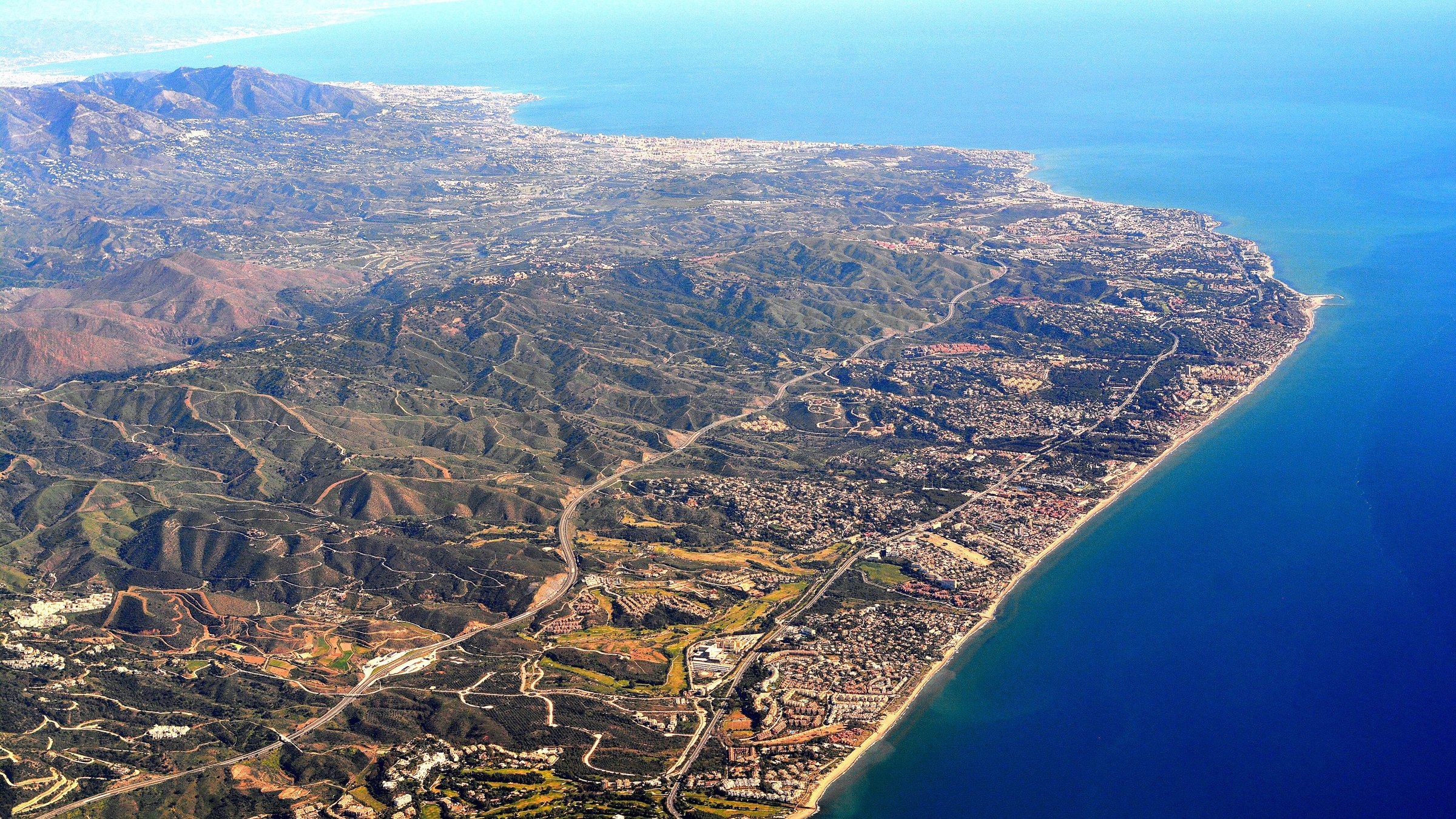
Costa del Sol at 50: A New Brand and the Long Fight Against Seasonality
Turismo Costa del Sol unveiled its new identity in May and took it to Madrid and Barcelona this week, marking 50 years since the 1976 Patronato. INE data show why the push for year-round visitors matters: August still brings three times January's hotel nights, and most of this year's growth came in January, March and April.
20 NOV 2026
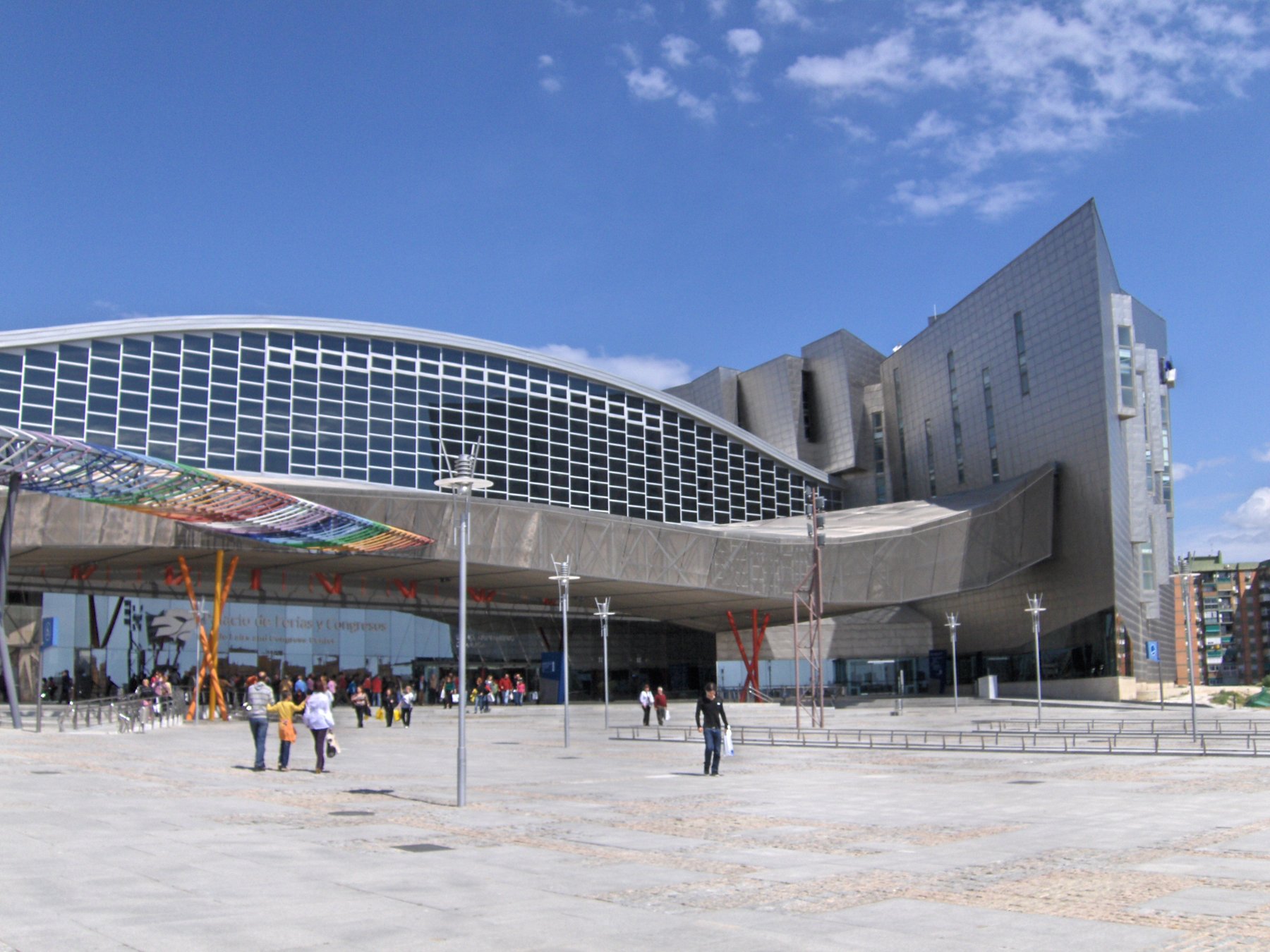
FYCMA: Málaga's Trade Fair and Congress Centre, and the Case for Building Bigger
Málaga's municipal trade fair and congress centre reported 147 events and 283,936 attendees in 2025 and now plans a 12,000-square-metre hall. A look at the building, its self-reported figures, its place in the ICCA table and the limits an extension would and would not solve.
16 NOV 2026

Antonio Banderas: Málaga, Marbella and the Long Way Home
From Almodóvar's Madrid to Hollywood, Cannes and an Oscar nomination, and back to the coast where he was born: a profile of Antonio Banderas, his Teatro del Soho, his years at La Gaviota in Marbella and the Starlite Gala he has co-hosted since 2010.
15 NOV 2026
Live from the coast
Related wire dispatches
Puente Romano Names Francesco Roccato General Manager, Returning Him to Marbella
Puente Romano Marbella has appointed Francesco Roccato as general manager. The Turin-born hotelier led the opening of Nobu Hotel Marbella between 2016 and 2018 and will oversee a multi-year investment programme covering the resort's suites, restaurants and sports facilities.
Marbella Readies 3.8 Million LED Points For Christmas, With Four Giant Angels In Plaza de los Naranjos
Marbella and San Pedro Alcántara will light 3,825,784 LED points this Christmas, the town hall said on 8 November. Four large angels in Plaza de los Naranjos and a light forest on San Pedro's Avenida Marqués del Duero will each stage three musical shows a day. The council had not published a switch-on date when this dispatch was filed on 19 November.
Marbella Opens Voces del Sur, A Four-Day Poetry And Flamenco Cycle, Ahead Of The 20th Sierra Blanca Festival
Marbella's Teatro Ciudad hosts Voces del Sur, a new free cycle of poetry and flamenco with Rocío Márquez, Jaime Siles and Daniel Casares, from 18 to 21 November. The 20th Festival Flamenco Sierra Blanca follows at the same theatre on the Saturday night.