What Makes a Short-Term Rental Work: Design Choices Guests Notice and What You Can Ignore
An operational guide to short-term rental design: prioritizing sleep quality, durable finishes, fast turnovers, and functional basics over decorative clutter.
By Mistral & Marea · Updated 19 OCT 2026
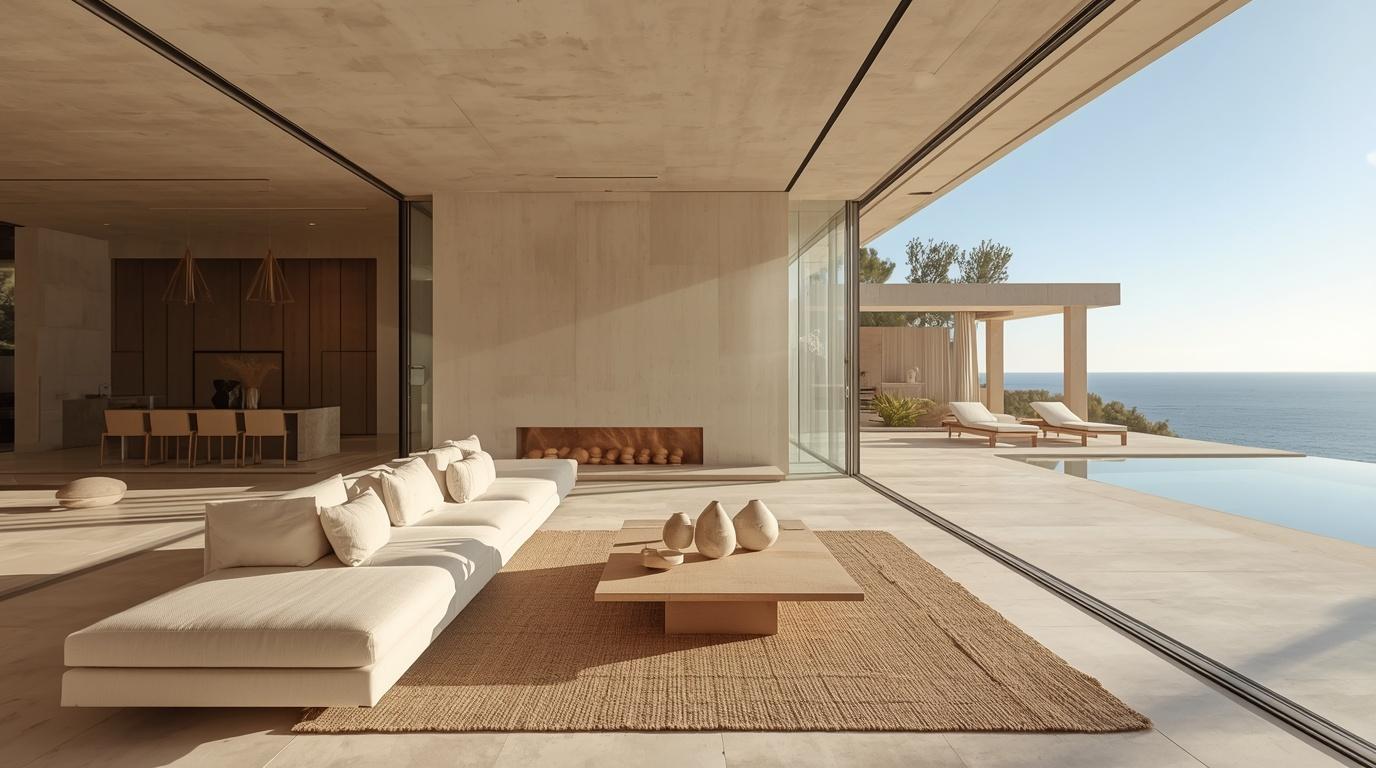
short-term rental design
A short-term rental succeeds when it looks competent in listing photos, feels straightforward to use once someone arrives, and does not require constant repair between stays. Guests are not usually looking for a design statement. They want a place that is clean, quiet enough to sleep in, and equipped for the ordinary tasks of a trip: charging a phone, making coffee, drying off after a shower, and sitting down without worrying about the furniture. Most five-star reviews mention sleep quality, visible cleanliness, working basics, and small signs that someone anticipated ordinary needs. Most lower ratings mention the opposite.
The design task is therefore narrower than it first appears. Prioritize the things people touch, sit on, sleep on, and notice in the first half hour. Treat decoration as secondary and replaceable. Choose materials that tolerate repeated use and quick cleaning. Keep the number of objects low enough that a cleaner can reset the space in a fixed amount of time. These constraints produce a different set of decisions from those used in a private home.
What Guests Actually Evaluate
Sleep is the largest single factor. A mattress that is too firm, too soft, or worn produces complaints even when everything else is adequate. Quality bedding—sheets that feel smooth, a duvet or comforter of appropriate weight, and enough pillows of different firmness—matters more than the style of the headboard. Blackout curtains or blinds are non-negotiable in most locations; street lights, early sun, or neighboring activity will otherwise wake guests. Place a surface and an outlet or USB port within reach of each side of the bed. A guest who has to get up to plug in a phone or set down glasses is more likely to notice other small shortcomings.
Cleanliness is judged by sight and smell more than by any formal standard. Light-colored walls and simple surfaces make dust and marks visible, which forces regular attention and signals care. Dark or heavily patterned finishes can hide dirt until it becomes obvious. Fresh linens and towels on arrival matter more than decorative throws. Many complaints that register as “not clean” are actually about odor—musty towels, residual cooking smells, or damp rooms—rather than visible dirt. Good ventilation, washed textiles, and surfaces that can be wiped thoroughly reduce these issues.
Function ranks immediately after sleep and cleanliness. Fast, reliable Wi-Fi is treated as a basic utility. Strong water pressure, a shower that stays hot, and heating or cooling that works without complicated instructions are expected. A television that only receives a couple of local channels is frequently mentioned in reviews; streaming capability or at least a smart TV with clear instructions removes that complaint. Kitchen equipment should be usable rather than decorative. Sharp knives, pans that heat evenly, a working coffee maker or kettle, basic utensils, and storage containers cover most needs. Guests who shop for food need somewhere to put leftovers and something to wrap them in.
A sense of place is useful but secondary. Local artwork, a map, or outdoor seating that faces a view can distinguish a listing, yet these elements rarely overcome poor sleep or broken basics. Outdoor space, when it exists, functions as an additional room only if it is usable: stable furniture, lighting that works after dark, and some protection from sun or rain. A bare terrace with plastic chairs rarely gets mentioned positively.
Small anticipatory items produce disproportionate goodwill. A starter set of toiletries, coffee or tea, a bottle of water, and clear Wi-Fi information cost little and reduce early friction. A luggage rack or open shelf keeps suitcases off the bed. Spare linens and towels stored accessibly speed turnovers and prevent mid-stay shortages. These details are noticed because they address problems guests have already encountered elsewhere.
Using Space Efficiently
Limited floor area feels larger when circulation is clear and storage is obvious. Multi-function pieces—sofa beds, ottomans with storage, nesting tables, extendable dining tables—reduce the number of separate objects while still providing capacity for the maximum occupancy. Vertical storage (wall-mounted shelves, hooks, tall narrow cabinets) keeps the floor open. A large mirror placed opposite a window increases light and the apparent depth of a room.
Nightstands that are bulky crowd bedrooms. Wall-mounted shelves or slim tables leave walking space and still hold a phone, glasses, and a glass of water. Empty drawers and free hangers matter more than a full wardrobe; guests need somewhere to put clothes, not a display of the host’s belongings. Outdoor areas benefit from the same treatment: a small bistro set or a pair of lounge chairs with a side table and lighting turns otherwise unused space into a functional extension.
Scale is easy to get wrong. Furniture that is too large for the room forces awkward movement and photographs poorly. Furniture that is too small—especially dining tables that seat fewer people than the listing sleeps—creates practical problems on group stays. Measure traffic paths and confirm that the dining capacity matches the sleeping capacity before finalizing pieces.
Decorating Within Constraints
Paint is the highest-return change. A single warm neutral on the walls creates a consistent background and covers most prior wear. A limited palette of three or four colors, repeated across rooms, makes mixed purchases look intentional. Lighting should be layered rather than dependent on one overhead fixture. Table lamps, wall lights, and warm bulbs produce even illumination that works for both living and photography. Harsh single sources create shadows and make rooms look unfinished.
Textiles do the most visual work relative to cost. Curtains, a rug, a couple of pillows, and a throw change the character of a room quickly. Large-scale art or framed prints read more clearly than collections of small pieces. One deliberate focal point—a solid headboard, a distinctive light fixture, or a feature wall—gives photographers and guests something specific to notice. Additional accessories should be limited; each extra object increases cleaning time and the chance of breakage or theft.
Secondhand and sale purchases can fill gaps provided the condition and scale are appropriate. Pieces that require frequent repair or special cleaning are usually false economies. Faux plants avoid the maintenance of live ones during vacancies. The overall rule is fewer, sturdier items rather than more fragile ones.
Where Spending and Saving Differ
Money spent on the mattress, bedding, blackout window coverings, comfortable seating that is easy to clean, bathroom towels and fixtures, and reliable climate control returns value in reviews. Kitchen tools that function correctly (sharp knives, decent pans, a reliable coffee setup, basic utensils and containers) prevent low-level irritation. Lighting that can be adjusted and that does not rely solely on overhead sources improves both photographs and daily use.
Money can be saved on purely decorative items, side tables, consoles, and extra pillows. These can be replaced or refreshed without major disruption. Performance fabrics, washable slipcovers, wipeable finishes, and flat-weave rugs tolerate repeated cleaning better than delicate materials. Solid wood or metal frames last longer than particleboard under the handling that occurs during turnovers. Outdoor furniture needs materials rated for weather—powder-coated aluminum, teak, or purpose-built resin—rather than indoor pieces moved outside.
Light-colored fabrics without stain resistance show marks quickly. Medium tones and textured weaves hide minor wear. Glass tabletops and high-gloss finishes photograph well initially but show scratches and water rings. Matte or sealed surfaces that can be wiped are more practical. Removable cushion covers and spare sets of linens reduce the time required to reset the space.
Design That Photographs Accurately
Listing photos are the primary sales tool. Natural light should be maximized by opening curtains and cleaning windows before photography. Crisp white or light bedding layers cleanly and signals care. Shooting from corners shows the full volume of a room and reduces the risk of misleading wide-angle distortion. Lead with the strongest feature—whether a terrace, a view, a kitchen, or a well-made bed—rather than an empty corner. Professional photography is worth the cost when the space is ready; amateur shots of unfinished or cluttered rooms underperform even when the underlying property is sound.
Photos should match the current condition. Outdated images that show a fresher version of the space generate complaints about accuracy once guests arrive. Staging that conceals wear or overcrowding creates the same problem. Guests compare the listing to the reality within minutes of arrival; discrepancies are noted in reviews.
Maintenance and Turnover Realities
Every design choice should be evaluated against the time and cost of resetting the space. Surfaces that require special cleaners, fabrics that stain permanently, and objects that must be carefully rearranged add labor. Clear storage for cleaning supplies, spare linens, and basic tools reduces the chance that something is missing during a quick turnover. Instructions for appliances and the Wi-Fi router should be visible and simple; guests who cannot operate basic equipment often report the item as broken.
Noise and privacy are design issues as much as operational ones. Window treatments that block light and reduce sound, solid doors, and furniture placement that does not amplify footsteps all affect sleep. Outdoor lighting that does not shine into neighboring properties or the bedrooms themselves prevents late-night complaints.
Common Errors
Relying on a single overhead light leaves rooms dark in photographs and harsh in person. Furniture scaled incorrectly creates cramped circulation or inadequate seating. Excessive small decorations increase cleaning time and visual clutter. Beds without adequate pillows, surfaces, or blackout coverings produce sleep complaints. Outdoor areas left unfurnished or with unstable furniture are rarely used and rarely mentioned positively. Choosing the cheapest available pieces for high-touch items (mattresses, sofas, towels) leads to early replacement and lower reviews.
Generic, all-neutral schemes that lack any local reference or functional outdoor space can still perform if sleep, cleanliness, and basics are strong. Distinctive design does not compensate for the reverse.
Practical Sequence
Begin with the bed, window coverings, and seating. Confirm that Wi-Fi, water pressure, climate control, and basic kitchen tools function. Paint in a limited neutral palette and add layered lighting. Introduce textiles and one or two larger art pieces. Furnish any outdoor space with stable, weather-appropriate pieces. Photograph only after the space is fully reset and cleaned. Maintain spare sets of linens and a simple guest information sheet. Review guest feedback for recurring issues with specific items rather than general style comments, and address those first.
The result is a rental that can be photographed clearly, occupied without friction, and reset efficiently. Guests notice the absence of problems more than the presence of decoration. Spending follows that order: sleep and function first, durability next, visual consistency after. The reverse order produces listings that look finished online and generate avoidable complaints once occupied.
Source: Mirela B Interiors
From the journal
Related articles
What the CIS Poll Means for Property and Luxury on the Costa del Sol
The official pre-electoral survey, released as the campaign opened, gives the PSOE 33.3 per cent and leaves the PP and Vox short of a majority. Most other recent polls do not. The election was called after Congress rejected two housing decrees. An impartial look at what each plausible outcome would mean for property and luxury on the Costa del Sol.
13 NOV 2026

Getting Work in the Costa del Sol's Luxury Corridor
Málaga's hospitality sector employed a record 120,848 people in August 2026, and hotels still cannot fill every post. A reported guide to pay, permits and where to apply, from Málaga to Sotogrande.
12 NOV 2026
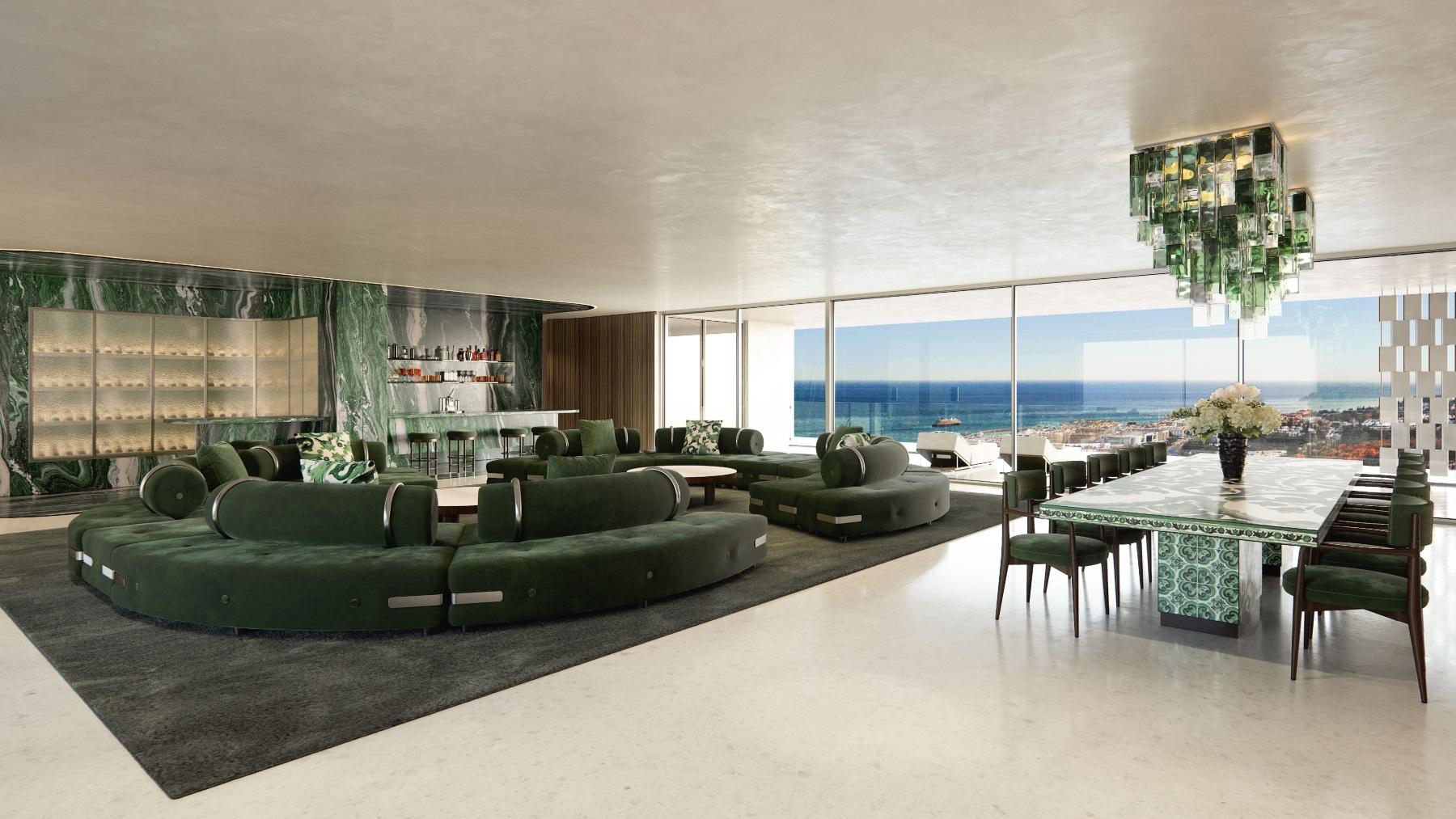
Fashion & Automotive Branding: How Luxury Brands Are Redefining the Value of Real Estate on the Costa del Sol
From Dolce & Gabbana-designed residences in Marbella to Lamborghini-inspired villas in Benahavís, the intersection of fashion, automotive design and luxury property is creating a new category of high-value real estate in southern Spain.
10 NOV 2026
Live from the coast
Related wire dispatches
Marbella Remains Málaga's Dearest Market As Coastal Asking Prices Diverge
Idealista's October figures, reported by El Español on 5 November, put Marbella at €5,974 per square metre and Estepona at €5,070, while Cómpeta recorded the province's steepest annual rise, of 31.7 per cent.
Costa del Sol Hoteliers Press Next Government on Power, Water, Housing and Transport
Aehcos, the Costa del Sol hoteliers' association, has launched 'Toca mirar por Málaga', a campaign asking Spain's next government to invest in six areas: electricity capacity, access to housing, transport, water, territorial balance and the coast, including completion of the Senda Litoral.
Malaga Home Sales Fall for a Third Straight Quarter as Foreign Buyers Take Nearly 39%
Home sales in Málaga province fell 3.5% in the 12 months to September, the third consecutive quarterly decline in Colegio de Registradores data. Foreign buyers accounted for 38.83% of purchases, up from 34.3% in the first quarter, making Málaga Spain's second most international market after Alicante.