The Rise of Longevity Tourism on the Costa del Sol: How Marbella Is Redefining Luxury Through Wellness and Preventative Health
Marbella is entering a new era of luxury wellness. With Oakmond Marbella scheduled to open in 2029, combining five-star hospitality, preventative healthcare and longevity-focused facilities, the Costa del Sol is positioning itself within a growing international market. Discover how this development could reshape luxury tourism, real estate, healthcare and wellness businesses across southern Spain.
By Anna Kuznetsova · Updated 01 NOV 2026
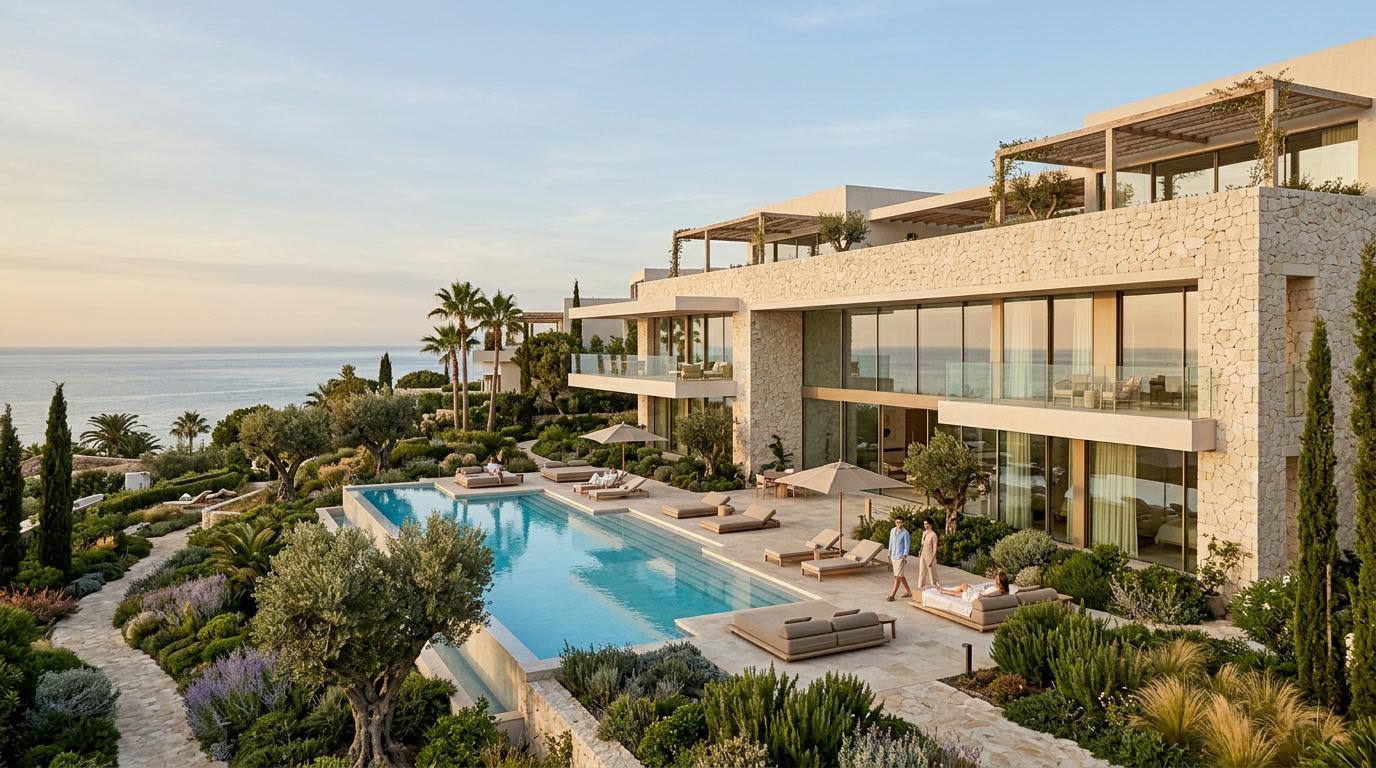
Luxury on the Costa del Sol
A New Chapter for Luxury Living in Southern Spain
Luxury on the Costa del Sol has traditionally been associated with beachfront villas, private members' clubs, championship golf courses, superyachts and five-star hospitality. For decades, Marbella and its neighbouring destinations have attracted an international clientele looking for sunshine, privacy, exceptional properties and a lifestyle that combines Mediterranean living with high-end services.
However, the expectations of affluent travellers and international property buyers are changing.
Increasingly, luxury is being measured by something that cannot simply be purchased or displayed: the ability to maintain good health, preserve physical and mental performance, manage stress and enjoy a better quality of life for longer.
This shift is creating new opportunities across the hospitality, healthcare, fitness, nutrition and real estate sectors. Wellness is no longer an additional service offered by a hotel spa. It is becoming an important part of how premium destinations are designed, marketed and experienced.
The Costa del Sol is particularly well positioned to benefit from this evolution. Its climate, international connectivity, established medical infrastructure, residential communities and long-standing reputation as a luxury destination provide a strong foundation for a new generation of health-oriented hospitality.
One development attracting considerable attention is Oakmond Marbella, the planned longevity and wellness resort that will transform the former Incosol hotel into an integrated destination combining luxury accommodation, private residences and specialised medical facilities.
With construction officially beginning in October 2026 and an opening scheduled for 2029, Oakmond represents a substantial investment in a sector that could influence the direction of luxury tourism throughout the region.
The development raises an interesting question for Marbella and the wider Costa del Sol: what happens when the next generation of luxury travellers starts choosing destinations not only for what they can enjoy during a holiday, but also for what those destinations can offer their long-term health and wellbeing?
Oakmond Marbella: Bringing a Historic Health Destination Back to Life
The transformation of the former Incosol hotel is particularly interesting because the location already has a history connected to health tourism.
Situated in the Río Real area of Marbella, Incosol was once recognised as a pioneering establishment that brought hospitality and medical services together. The hotel eventually closed in 2012, leaving behind a property with considerable historical significance and an important position within Marbella's hospitality landscape.
Its planned redevelopment into Oakmond Marbella offers an opportunity to revive that original concept using a much more contemporary approach to preventative healthcare and luxury accommodation.
On 21 October 2026, the first stone was officially laid for the future Oakmond Marbella Wellness Clinic Resort, marking the beginning of construction.
According to information released by Marbella City Council and reported by Málaga Hoy, the development represents an investment exceeding €260 million. The project is being promoted by Ilanga Capital, with financing support from Goldman Sachs Alternatives.
The planned complex will occupy a plot of more than 53,000 square metres and include approximately 40,000 square metres of built space.
Its announced components include:
A five-star luxury hotel with 140 rooms and suites.
28 exclusive private residences.
A medical clinic dedicated to preventative medicine and longevity.
Approximately 10,000 square metres of clinical facilities, according to Marbella City Council.
Advanced diagnostic and personalised healthcare services.
Spa, fitness and wellness facilities.
Gastronomic spaces designed to complement the overall experience.
The development is scheduled to open in 2029, following an estimated construction period of 36 months.
What distinguishes Oakmond from a conventional luxury hotel is the importance given to its medical component. The intention is to integrate early diagnosis, personalised preventative medicine and continuous health monitoring into a hospitality environment.
The project's promoters have also described ambitions involving medical research, artificial intelligence and data-driven clinical intelligence.
This is a different proposition from simply offering guests massages, yoga classes and access to a swimming pool. The medical dimension is intended to become a central part of the experience.
For Marbella, the investment also represents an opportunity to recover a historically important hospitality property while attracting a new category of international visitor.
The original announcements can be found through Málaga Hoy's coverage of Oakmond and Marbella City Council.
Why Longevity Is Becoming Part of the Luxury Market
Longevity has become an increasingly visible subject in international healthcare, hospitality and premium consumer markets.
Although the concept has existed in medical research for decades, its commercial appeal has expanded considerably. Consumers are becoming more interested in understanding their health before problems develop, rather than waiting until symptoms require treatment.
This does not mean that every affluent traveller suddenly wants an extensive medical programme during their holiday. Rather, it reflects a broader change in expectations.
People who already invest in personal training, premium nutrition, skincare, physiotherapy and private medical services are increasingly interested in bringing these elements together.
For this audience, wellness is not necessarily about escaping everyday life. It is about improving the quality of everyday life.
The distinction is important.
Traditional wellness tourism often focuses on temporary experiences: a relaxing weekend, a spa treatment, a yoga retreat or a few days away from professional responsibilities.
Longevity-oriented hospitality aims to offer something more structured. Depending on the medical services available, programmes may incorporate health assessments, nutritional consultations, exercise planning, sleep management, recovery services and follow-up recommendations.
The intention is to provide guests with information and professional guidance that can influence their habits beyond the duration of their stay.
This creates an interesting commercial opportunity for destinations capable of combining medical expertise with an attractive residential and hospitality environment.
The Costa del Sol already possesses several of the characteristics required for this type of positioning.
Its Mediterranean climate encourages outdoor activity throughout much of the year. Golf, hiking, cycling, swimming, sailing and other recreational activities are well established. International residents also have access to private clinics, specialist practitioners, fitness centres and premium hospitality services.
The challenge is bringing these elements together into a coherent proposition.
From Spa Experiences to Preventative Healthcare
The evolution of luxury wellness should not be understood as the disappearance of traditional spas.
Relaxation, massage, hydrotherapy and beauty treatments remain important parts of premium hospitality. However, the expectations surrounding these services are becoming more sophisticated.
Guests increasingly appreciate experiences that are personalised rather than standardised.
A visitor who regularly exercises may be more interested in recovery treatments and sports performance. Another may prioritise sleep, stress management or nutritional advice. Someone else may simply want to disconnect from professional commitments while maintaining an established fitness routine.
Luxury operators have an opportunity to create programmes that respond to these different expectations.
The distinction between a spa and a medical clinic must nevertheless remain clear.
A spa can support relaxation and general wellbeing, but it does not replace medical assessment, diagnosis or treatment. Preventative healthcare requires appropriately qualified professionals, evidence-based methods and clear clinical standards.
This distinction will become increasingly important as the longevity market expands.
Consumers are becoming more exposed to discussions about biological age, personalised nutrition, metabolic health, hormone treatments, genetic testing and advanced diagnostic technologies. Some of these areas have established medical applications, while others remain subjects of ongoing scientific investigation.
Luxury providers must resist the temptation to turn every emerging scientific concept into a marketing promise.
Trust will be one of the most valuable assets in this market.
For developments such as Oakmond, the quality of medical governance, the credentials of healthcare professionals, patient privacy and transparency around treatments will be just as important as the architectural design of the resort.
A beautiful environment may attract visitors, but professional credibility is what can encourage them to return.
The Costa del Sol Has the Foundations for a Wellness Economy
Marbella is not entering the wellness sector from an entirely new position.
The region has spent decades building an international reputation around lifestyle, hospitality and premium residential tourism.
Its appeal extends beyond the municipality itself. Estepona, Benahavís, Sotogrande, San Roque, Mijas, Fuengirola and Málaga all contribute to an increasingly diverse market of international residents and visitors.
The geographical concentration of luxury properties, golf resorts, private healthcare services, restaurants and sports facilities creates opportunities for businesses operating across different parts of the wellness industry.
There is also an important residential dimension.
Many international buyers are no longer looking at the Costa del Sol exclusively as a holiday destination. They are purchasing homes, relocating families, establishing businesses or dividing their time between Spain and other countries.
For these buyers, access to quality healthcare and a healthy lifestyle can influence property decisions.
A luxury residence near a reputable medical facility, wellness centre or sports club may offer a different proposition from a comparable property that only competes on architecture and location.
This is particularly relevant to the premium residential market, where buyers are increasingly comparing the services and infrastructure surrounding a property.
Developers can respond by incorporating wellness facilities into residential projects, creating partnerships with specialist operators or offering residents access to external healthcare and fitness services.
The opportunity is not limited to building another gym or swimming pool.
It involves understanding what makes a residential environment genuinely supportive of a healthy lifestyle.
Walking routes, green spaces, sports facilities, quality food options, privacy, natural light and access to professional services can all contribute to that proposition.

Furniture Package Marbella by Mirela B Interiors
Luxury Hospitality Is Already Moving in This Direction
Oakmond is a particularly ambitious example, but the broader evolution of wellness within luxury hospitality can already be observed elsewhere on the Costa del Sol.
One relevant example is Fairmont La Hacienda Costa del Sol in San Roque.
Its wellness offering demonstrates how premium hospitality operators are incorporating more extensive facilities into their guest experience.
The resort's wellness centre includes treatment rooms, hammams, a sauna, steam room, Turkish bath, hydrotherapy facilities, indoor and outdoor pools, hot and cold immersion options and a yoga studio.
Its fitness offering also includes personal training, gym facilities and recovery-related services.
The resort has established partnerships with specialist wellness and skincare brands, illustrating another development within the sector: the integration of established premium products and specialist providers into the hospitality environment.
Further information is available on the official Fairmont La Hacienda wellness and spa website.
This type of offering demonstrates that wellness is already part of the competitive landscape for luxury hotels.
The next stage may involve a deeper relationship between hospitality, medical professionals and long-term health services.
Instead of treating wellness as a separate department, hotels may increasingly integrate it into accommodation packages, guest profiles, dining experiences and personalised activities.
For operators, this also creates an opportunity to develop additional revenue streams beyond room bookings.
A guest might purchase a multi-day recovery programme, book private training sessions, receive nutritional consultations or access specialist treatments.
These services can encourage longer stays while creating opportunities for partnerships with external professionals.
The Growing Importance of Personalised Wellness
Personalisation is likely to become one of the defining characteristics of premium wellness services.
For many years, hotel wellness programmes followed relatively standardised formats. Guests could choose from a menu of massages, treatments and fitness activities.
That approach remains useful, but it does not necessarily reflect the expectations of consumers accustomed to personalised services in other areas of their lives.
Luxury clients increasingly expect businesses to understand their preferences, schedules and individual requirements.
In wellness, this can involve an initial consultation followed by a programme adapted to the guest's objectives.
For example, a professional who spends long periods travelling may prioritise sleep quality, stress management and recovery. An active individual may be interested in mobility, strength and physical performance. Someone relocating to Spain may want guidance on nutrition, exercise routines and maintaining a healthy lifestyle throughout the year.
Medical programmes can take personalisation further through appropriate assessments and clinical supervision.
However, the collection and use of personal health information must be handled responsibly. Medical confidentiality, informed consent and compliance with European data protection requirements are essential.
Technology may support this process through health-monitoring platforms, digital records and data analysis.
Oakmond's announced interest in clinical intelligence and artificial intelligence reflects the growing relationship between technology and preventative healthcare.
These tools may help healthcare professionals organise information and monitor relevant changes over time. They should complement, rather than replace, qualified medical judgement.
For hospitality businesses, the wider lesson is that personalised experiences can become a significant differentiator when they are supported by genuine expertise.
Nutrition: An Important Part of the Longevity Experience
Nutrition is another area where luxury hospitality and preventative health are increasingly connected.
Food has always played an important role in the identity of the Costa del Sol. The region benefits from Mediterranean culinary traditions, fresh seafood, locally produced vegetables, olive oil and an established restaurant culture.
However, the expectations of health-conscious consumers are creating opportunities for restaurants and hospitality operators to reconsider how they present their gastronomic offerings.
This does not mean replacing traditional Andalusian cuisine with restrictive menus or turning every restaurant into a clinical nutrition centre.
The opportunity lies in offering greater choice, transparency and quality.
A premium wellness resort might work with qualified nutrition professionals to develop menus that accommodate different dietary requirements and individual objectives.
Restaurants could introduce seasonal menus that highlight local ingredients while providing clear information about preparation methods and nutritional content.
Private chefs could also become part of the residential wellness market, particularly for international homeowners who want convenient access to personalised food services.
There is considerable room for collaboration between local producers, specialist food suppliers, chefs and healthcare professionals.
For the Costa del Sol, this represents an opportunity to connect its established gastronomic identity with the growing interest in preventative lifestyles.
The Mediterranean diet is already internationally recognised, but its commercial potential extends beyond simply promoting traditional dishes.
It can become part of a wider hospitality experience that combines food, culture, physical activity and local sourcing.
Fitness, Recovery and the New Definition of Luxury
Another important development is the changing relationship between fitness and luxury hospitality.
For a long time, hotel gyms were treated as secondary facilities. They were useful additions for guests who wanted to maintain their exercise routines while travelling, but they rarely played a central role in the decision to book accommodation.
That is changing.
Premium consumers increasingly expect access to quality training environments, personal trainers, specialist equipment and recovery facilities.
This is particularly relevant to destinations such as Marbella, where golf, tennis, cycling, running and outdoor fitness already attract an international audience.
The wellness market creates opportunities for businesses offering:
Personal training and strength programmes.
Pilates and specialist movement classes.
Yoga and meditation.
Physiotherapy and rehabilitation.
Sports massage and recovery services.
Mobility and flexibility training.
Hydrotherapy and thermal facilities.
Professionally supervised fitness assessments.
The combination of these services can create a more complete experience than a conventional hotel gym.
Recovery is particularly interesting because it connects hospitality with professional sport and performance-oriented lifestyles.
Guests who regularly train may value access to qualified physiotherapists, appropriate recovery facilities and personalised exercise guidance.
However, operators should be careful not to present every recovery technology as having proven medical benefits. The credibility of these services depends on their evidence base and the qualifications of the professionals delivering them.
The commercial opportunity is substantial enough without relying on exaggerated claims.
Real Estate: Wellness as a New Property Value Proposition
The impact of the longevity economy could extend well beyond hotels and clinics.
Luxury real estate developers are already operating in a market where buyers expect more than attractive architecture and impressive views.
Services, convenience, security, privacy and lifestyle facilities increasingly influence the positioning of premium residential developments.
Wellness provides another dimension through which properties can differentiate themselves.
Developers may incorporate private fitness studios, treatment rooms, landscaped walking areas, meditation spaces and dedicated wellness facilities into residential projects.
Others may establish partnerships with external providers, allowing residents to access medical consultations, personal training, nutrition services and recovery programmes.
The advantage of this approach is that developers do not necessarily need to operate every service themselves.
They can work with specialist companies and create a network of services around the residential community.
For buyers, this can make a property more attractive as a permanent residence rather than simply a seasonal holiday home.
The distinction matters on the Costa del Sol.
A growing number of international homeowners are interested in spending more time in Spain, particularly during the winter months. Some are relocating permanently, while others are dividing their lives between several countries.
Access to healthcare, sports facilities and everyday services becomes more important when a property is intended for year-round use.
Marbella, Benahavís, Estepona and Sotogrande all have opportunities to develop residential propositions around these expectations.
However, developers should avoid assuming that the presence of a spa or gym automatically creates a wellness property.
The quality, accessibility and actual usefulness of the facilities matter more than the number of amenities listed in a brochure.
A well-designed residential environment should make healthy habits easier to maintain.
That is a more convincing proposition than simply adding the word wellness to a development's marketing materials.
Opportunities for Premium Brands and Specialist Service Providers
The development of wellness tourism creates opportunities for businesses that may not traditionally consider themselves part of the hospitality industry.
Medical practices, nutrition companies, fitness brands, skincare specialists, technology providers and wellness consultants can all become part of the wider ecosystem.
For example, a private medical practice could collaborate with a luxury hotel to provide scheduled consultations or specialist assessments.
A nutrition company could develop a programme for international visitors who want personalised guidance during their stay.
A fitness brand could establish a private training service within a residential development.
A skincare company could partner with a resort to introduce premium treatments and products.
Technology providers could offer platforms that help hospitality businesses manage guest preferences, appointments and wellness programmes.
These partnerships create opportunities for smaller specialist businesses to reach customers who might otherwise be difficult to access independently.
They also give established hospitality operators the ability to expand their services without developing every capability internally.
The challenge will be selecting partners whose standards match the expectations of the luxury market.
In a sector involving health and personal information, reputation is particularly important.
A partnership that looks attractive commercially may create problems if the provider lacks appropriate qualifications, professional insurance, privacy safeguards or reliable service delivery.
Businesses entering this market should therefore focus on credibility and operational quality rather than simply chasing association with prestigious hotel brands.
Why the Costa del Sol Could Attract International Wellness Clients
The international character of the Costa del Sol is one of its most valuable commercial advantages.
Marbella has long attracted visitors and residents from the United Kingdom, Scandinavia, Germany, the Netherlands, France, Belgium, the Middle East and other international markets.
This diversity creates opportunities for wellness operators to design services around different languages, cultural expectations and lifestyles.
A visitor from northern Europe may be interested in spending several weeks in southern Spain during the winter, combining accommodation with fitness and preventative health services.
A business owner from the Middle East may prioritise privacy, personalised medical services and exclusive accommodation.
A professional relocating from London, Amsterdam or Berlin may be interested in establishing a permanent routine that includes quality healthcare, exercise and access to healthy food.
These audiences do not necessarily have identical expectations, but they share an interest in convenience, professional standards and quality of life.
The region also benefits from Málaga Airport, which provides international connections and makes the Costa del Sol accessible to a broad range of markets.
For longer stays, the combination of residential accommodation, private healthcare and leisure activities can be particularly attractive.
Wellness tourism also has the potential to contribute to the region's efforts to reduce seasonal dependence.
Traditional beach tourism is heavily influenced by summer demand. Health-oriented visitors may have different travel patterns, with some preferring quieter periods and longer stays.
A destination offering medical appointments, fitness programmes and year-round lifestyle services has more reasons to attract visitors outside the traditional holiday season.
This does not guarantee that every wellness development will achieve consistent occupancy, but it provides a commercial rationale for diversifying the region's tourism offering.
The Business Opportunities for Marketing and Digital Agencies
As the wellness sector expands, the demand for effective digital marketing is likely to increase.
This is particularly relevant to the Costa del Sol, where international competition is already strong and premium businesses need to communicate their value to audiences across different countries.
Luxury wellness is a specialised market.
A medical clinic cannot necessarily communicate like a conventional spa. A longevity resort cannot rely exclusively on the same promotional language used by a beachfront hotel. A private nutrition practice will have different customer acquisition requirements from a luxury residential development.
Each business needs a clear digital positioning strategy.
For web design and development agencies, this creates opportunities to work with businesses that require more sophisticated digital experiences.
A premium wellness website may need to combine:
Detailed descriptions of services and programmes.
Professional biographies and medical credentials.
Appointment booking systems.
Secure patient enquiry processes.
Multilingual content.
Search engine optimisation.
High-quality photography and video.
Clear explanations of medical services.
Integration with customer relationship management systems.
The visual presentation is important, particularly in the luxury sector.
However, an attractive website without a clear commercial structure is unlikely to generate consistent enquiries.
Potential clients need to understand what a business offers, who its services are intended for, how appointments work and why they should consider that provider.
Search engine optimisation will also be relevant.
International consumers researching longevity retreats, private clinics and luxury wellness destinations may search in English, German, French, Dutch or other languages.
Businesses that build strong, informative websites with relevant local and international search visibility can position themselves in front of potential customers before those customers begin contacting providers.
Content marketing provides another opportunity.
Articles discussing preventative health, wellness retreats, medical tourism, fitness, nutrition and luxury residential lifestyles can help establish a business's authority.
For hospitality operators, this content should communicate genuine expertise rather than repeat generic promotional statements.
For medical providers, accuracy and appropriate professional review are essential.
The most valuable digital strategies will be those that connect a business's real capabilities with the questions and expectations of its target audience.
Branding and Positioning in an Increasingly Competitive Market
As more businesses enter the wellness sector, differentiation will become increasingly important.
Simply offering massages, healthy menus and fitness facilities may not be enough to establish a recognisable position.
Brands will need to define exactly what they offer and whom they intend to serve.
Some may focus on medical longevity and preventative healthcare. Others may specialise in recovery and sports performance. Another category may concentrate on relaxation, stress management and lifestyle improvement.
These are related markets, but they should not be treated as interchangeable.
A luxury medical clinic needs a different brand identity from a meditation retreat.
Likewise, a residential development with integrated wellness facilities requires a different communication strategy from a hotel offering weekend spa packages.
Clear positioning helps customers understand the value of a service and makes marketing more effective.
It also helps businesses avoid competing exclusively on price.
For premium brands, the objective should be to communicate expertise, reliability and a distinctive experience.
This is especially important when targeting international consumers who may be comparing providers in Spain with established destinations in Switzerland, Germany, Austria, Portugal or other parts of Europe.
The Costa del Sol has a strong lifestyle proposition, but that alone does not guarantee commercial success.
Professional standards, medical credibility, service quality and a consistent brand experience will determine whether businesses can compete in this expanding market.
The Importance of Trust, Medical Standards and Responsible Marketing
The commercial growth of longevity tourism also introduces responsibilities that should not be overlooked.
Health is not an ordinary consumer product.
Customers considering medical assessments or preventative programmes need clear information about what is being offered, what evidence supports the procedures and what results can reasonably be expected.
Businesses should avoid making unsupported promises about reversing ageing, preventing specific diseases or extending life expectancy.
The distinction between established clinical practice and experimental or emerging treatments must remain clear.
This is particularly relevant in areas such as biological-age testing, advanced biomarkers, genetic analysis and personalised interventions.
Some technologies have legitimate clinical applications, but their interpretation and usefulness depend on the context in which they are employed.
A responsible provider should explain the limitations of tests and ensure that recommendations are based on appropriate clinical evidence.
Data protection is equally important.
Medical information is among the most sensitive categories of personal data under European privacy legislation. Businesses handling it must establish appropriate security measures, consent procedures and professional responsibilities.
For hospitality operators working with external medical providers, the contractual and operational relationship should be clearly defined.
Guests should understand who is responsible for their medical care and how their information will be used.
Ultimately, the longevity market will benefit from businesses that prioritise professional credibility over marketing claims.
The Role of Technology in the Next Generation of Wellness Resorts
Technology is likely to become an important part of the relationship between hospitality and preventative healthcare.
Digital health platforms, wearable devices and medical information systems already allow individuals to monitor certain aspects of their daily routines.
These tools can provide information about physical activity, sleep patterns and other measurable indicators.
In a properly managed clinical environment, technology may help healthcare professionals organise patient information and monitor relevant changes over time.
Oakmond's announced plans to incorporate artificial intelligence and data-driven clinical intelligence reflect this direction.
For a resort designed around preventative medicine, the ability to coordinate diagnostics, consultations and follow-up services could become an important part of its operating model.
There are also opportunities beyond the clinical environment.
Hotels can use digital systems to manage fitness appointments, guest preferences, nutritional requirements and personalised activity programmes.
Residential developments may introduce platforms that connect homeowners with local healthcare and wellness providers.
However, technology should serve a clear purpose.
The objective is not to collect as much information as possible or introduce complicated digital systems simply because they appear innovative.
Technology is valuable when it improves the quality, accessibility and organisation of services.
For luxury customers, convenience and privacy should remain priorities.
Marbella's Opportunity to Expand Beyond Traditional Luxury Tourism
Marbella has spent decades building an international identity around premium hospitality and residential real estate.
Its reputation has been shaped by destinations such as Puerto Banús, luxury golf resorts, high-end restaurants, private clubs and exclusive residential communities.
The emergence of longevity tourism offers an opportunity to expand that identity.
Rather than competing exclusively with other Mediterranean destinations on beaches, restaurants and luxury accommodation, Marbella could develop a stronger association with health-oriented hospitality.
Oakmond is an important development within that conversation because it combines a substantial hospitality investment with a dedicated medical proposition.
Its location at the former Incosol site also connects the project to Marbella's historical relationship with health tourism.
The wider region could benefit from this positioning.
Estepona, for example, has developed a strong residential and hospitality proposition and continues to attract international homeowners. Benahavís offers a different combination of privacy, natural surroundings and premium residential communities. Sotogrande has an established international audience interested in golf, sailing, sport and private residential living.
Málaga itself offers a different environment, with access to hospitals, universities, research institutions and a growing technology sector.
Together, these destinations could contribute to a more diverse wellness ecosystem across the province.
The opportunity is not necessarily for every municipality to build a large longevity resort.
Smaller businesses can participate through specialist services, partnerships and complementary experiences.
The most successful regional proposition may be one in which medical services, hospitality, fitness, nutrition and residential communities support one another.
What This Means for Investors and Property Developers
The longevity economy creates an interesting area of consideration for investors in the Costa del Sol.
Oakmond's announced investment of more than €260 million illustrates the scale of capital being directed towards this type of development.
However, the investment case extends beyond a single project.
There may be opportunities in specialised hospitality, medical facilities, premium fitness centres, wellness-oriented residential developments and businesses supplying services to these operators.
Investors should consider several factors before entering the market.
First, the target audience must be clearly identified. A resort aimed at international medical travellers has different operational requirements from a wellness hotel focused on short leisure stays.
Second, the business model needs to account for the cost of professional healthcare staff, equipment, compliance and ongoing service delivery.
Third, demand must be assessed realistically. The existence of wealthy residents and tourists does not automatically guarantee demand for every type of wellness programme.
Fourth, operators need a credible strategy for building international awareness and attracting repeat customers.
Finally, the long-term reputation of the business will depend on the quality of the experience and the reliability of the services provided.
For residential developers, the opportunity may be less complex.
Wellness-related facilities can strengthen the positioning of a property development, provided they are genuinely useful and economically sustainable.
A residential community with access to quality fitness facilities, outdoor spaces, healthy dining and professional services may appeal to buyers seeking a permanent Mediterranean lifestyle.
The important point is that wellness should be integrated into the development concept rather than added as an afterthought.
Looking Towards 2029: A Changing Luxury Landscape
The planned opening of Oakmond Marbella in 2029 provides a useful reference point for understanding where the Costa del Sol luxury market may be heading.
By the time the resort opens, the international wellness sector may look considerably different from the market that exists today.
Consumer expectations, healthcare technologies and the range of services available to affluent travellers will continue to evolve.
Other hospitality operators may expand their wellness offerings. Medical practices may develop new partnerships with luxury hotels. Residential developers may place greater emphasis on health-oriented amenities.
The extent of this development will depend on investment, consumer demand, professional standards and the ability of businesses to deliver commercially sustainable services.
Oakmond will also face the challenge of translating an ambitious development concept into an operational experience that meets international expectations.
Its eventual success will depend on much more than the scale of the investment or the architecture of the property.
Medical expertise, customer experience, clinical governance, hospitality standards and international brand positioning will all matter.
For Marbella, the project creates an opportunity to build a new chapter around a destination that has historically been associated with premium living.
For the wider Costa del Sol, it highlights the possibility of developing a more diverse tourism and residential economy, with wellness and preventative health playing a larger role.
Conclusion: The Future of Luxury May Be Measured in Quality of Life
The definition of luxury is evolving.
Exceptional accommodation, exclusive restaurants and beautiful surroundings will remain important, particularly in a destination as established as Marbella. But the expectations of international consumers are expanding.
Access to quality healthcare, opportunities to maintain physical fitness, personalised nutrition, recovery services and environments that support wellbeing are becoming increasingly relevant to premium hospitality and residential markets.
Oakmond Marbella represents a substantial commitment to this changing landscape.
Its transformation of the former Incosol hotel into a planned luxury resort with medical facilities, private residences and a dedicated longevity programme is one of the most significant developments in the region's emerging wellness sector.
The investment, the planned 2029 opening and the scale of the medical and hospitality components make it an important project to follow.
Nevertheless, its significance extends beyond the resort itself.
It offers a glimpse of the opportunities available to hotels, medical practices, fitness brands, nutrition specialists, real estate developers, technology companies and digital marketing agencies operating across the Costa del Sol.
The businesses that understand this transition will have opportunities to develop new services, reach different international audiences and build partnerships across sectors that have traditionally operated independently.
Marbella has already established itself as an international destination for luxury living. The next stage may involve strengthening its position as a place where people can combine that lifestyle with access to professional healthcare and services designed to support long-term wellbeing.
For a region that has built much of its reputation around the quality of life, the connection between luxury and longevity is a natural development.
And as Oakmond prepares for its planned opening in 2029, the Costa del Sol has an opportunity to become an increasingly important destination in the international conversation about wellness, preventative health and the future of luxury hospitality.
From the journal
Related articles

Antonio Banderas: Málaga, Marbella and the Long Way Home
From Almodóvar's Madrid to Hollywood, Cannes and an Oscar nomination, and back to the coast where he was born: a profile of Antonio Banderas, his Teatro del Soho, his years at La Gaviota in Marbella and the Starlite Gala he has co-hosted since 2010.
15 NOV 2026
Marbella Is Going After the World's Biggest Spenders: How DUCO Spain & Portugal 2026 Signals a New Era for Luxury Tourism
An operational breakdown of DUCO 2026 in Marbella: connecting 170 luxury travel advisers with regional hospitality to drive year-round, high-yield tourism.
27 OCT 2026
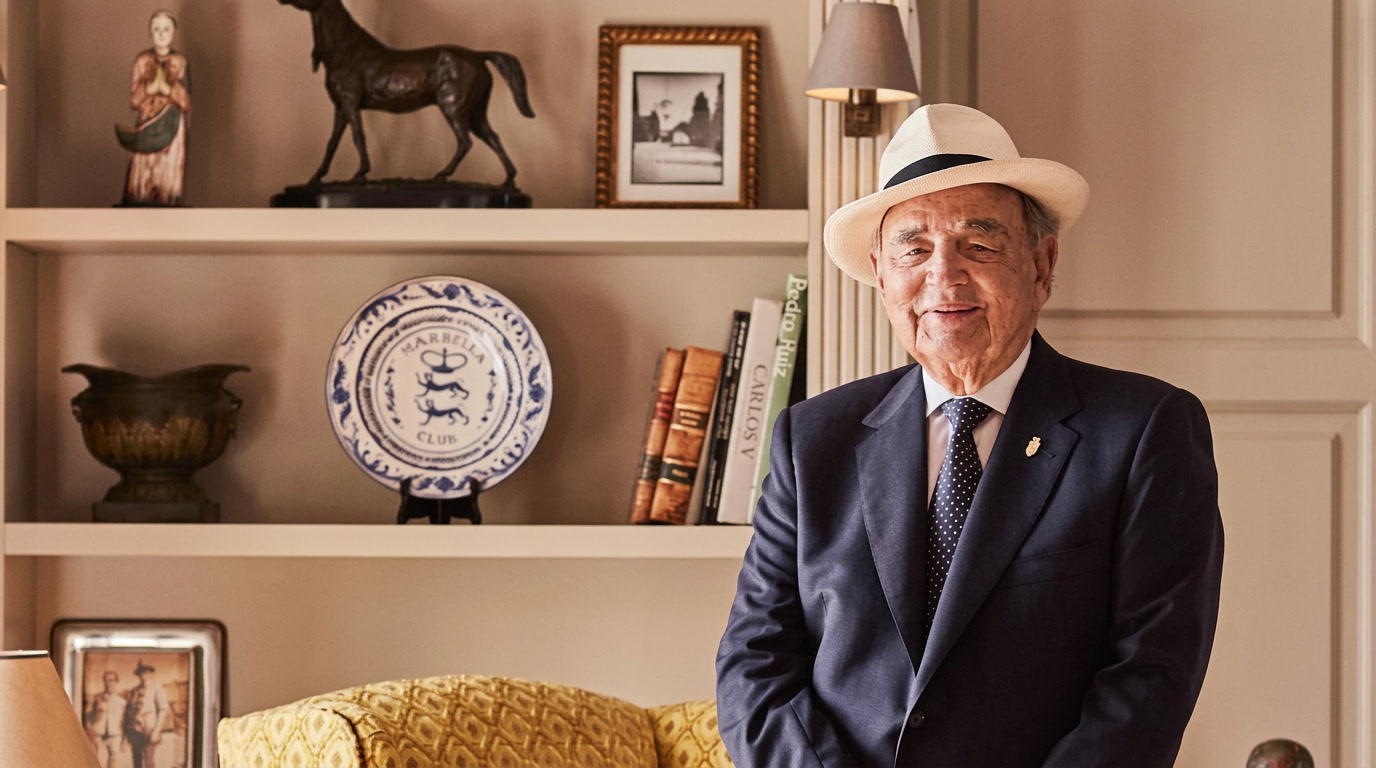
The Last of the Hosts: Count Rudi and the Making of Marbella
Count Rudi von Schönburg-Glauchau dies at 94, closing nearly seven decades of foundational leadership and personal hospitality at the Marbella Club.
20 OCT 2026
Live from the coast
Related wire dispatches
Marbella Readies 3.8 Million LED Points For Christmas, With Four Giant Angels In Plaza de los Naranjos
Marbella and San Pedro Alcántara will light 3,825,784 LED points this Christmas, the town hall said on 8 November. Four large angels in Plaza de los Naranjos and a light forest on San Pedro's Avenida Marqués del Duero will each stage three musical shows a day. The council had not published a switch-on date when this dispatch was filed on 19 November.
Puente Romano Names Francesco Roccato General Manager, Returning Him to Marbella
Puente Romano Marbella has appointed Francesco Roccato as general manager. The Turin-born hotelier led the opening of Nobu Hotel Marbella between 2016 and 2018 and will oversee a multi-year investment programme covering the resort's suites, restaurants and sports facilities.
Marbella Opens Voces del Sur, A Four-Day Poetry And Flamenco Cycle, Ahead Of The 20th Sierra Blanca Festival
Marbella's Teatro Ciudad hosts Voces del Sur, a new free cycle of poetry and flamenco with Rocío Márquez, Jaime Siles and Daniel Casares, from 18 to 21 November. The 20th Festival Flamenco Sierra Blanca follows at the same theatre on the Saturday night.