Dolce & Gabbana in Puerto Banús: Inside Marbella’s Luxury Shopping Scene
Discover how Dolce & Gabbana fits into Puerto Banús, one of Marbella’s most recognisable luxury shopping destinations. From distinctive Italian design and carefully considered boutique interiors to the international clientele that defines the marina, explore the relationship between the fashion house and the Costa del Sol’s high-end retail scene.
By Wellington Almeida · Updated 15 OCT 2026
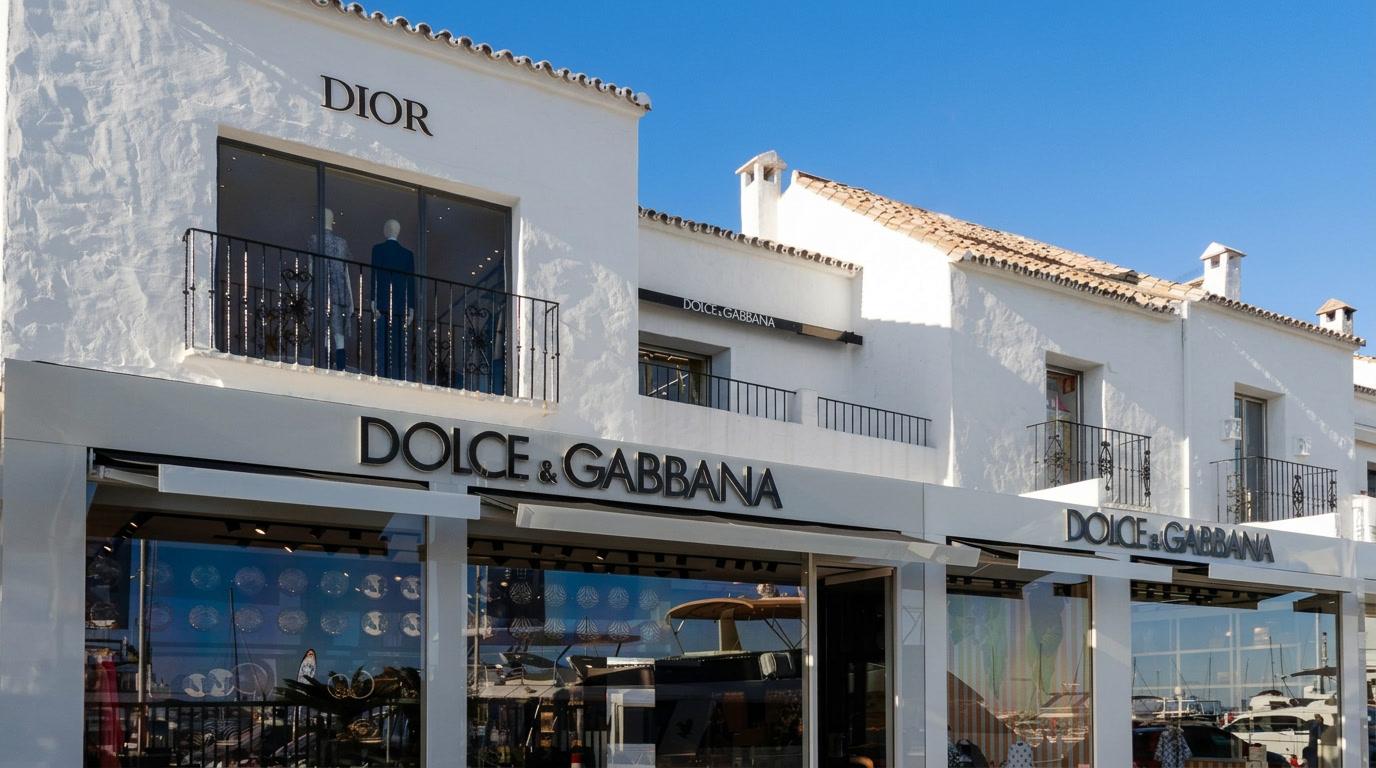
Dolce & Gabbana in Puerto Banús
Dolce & Gabbana in Puerto Banús: Luxury Retail on Marbella’s Coast
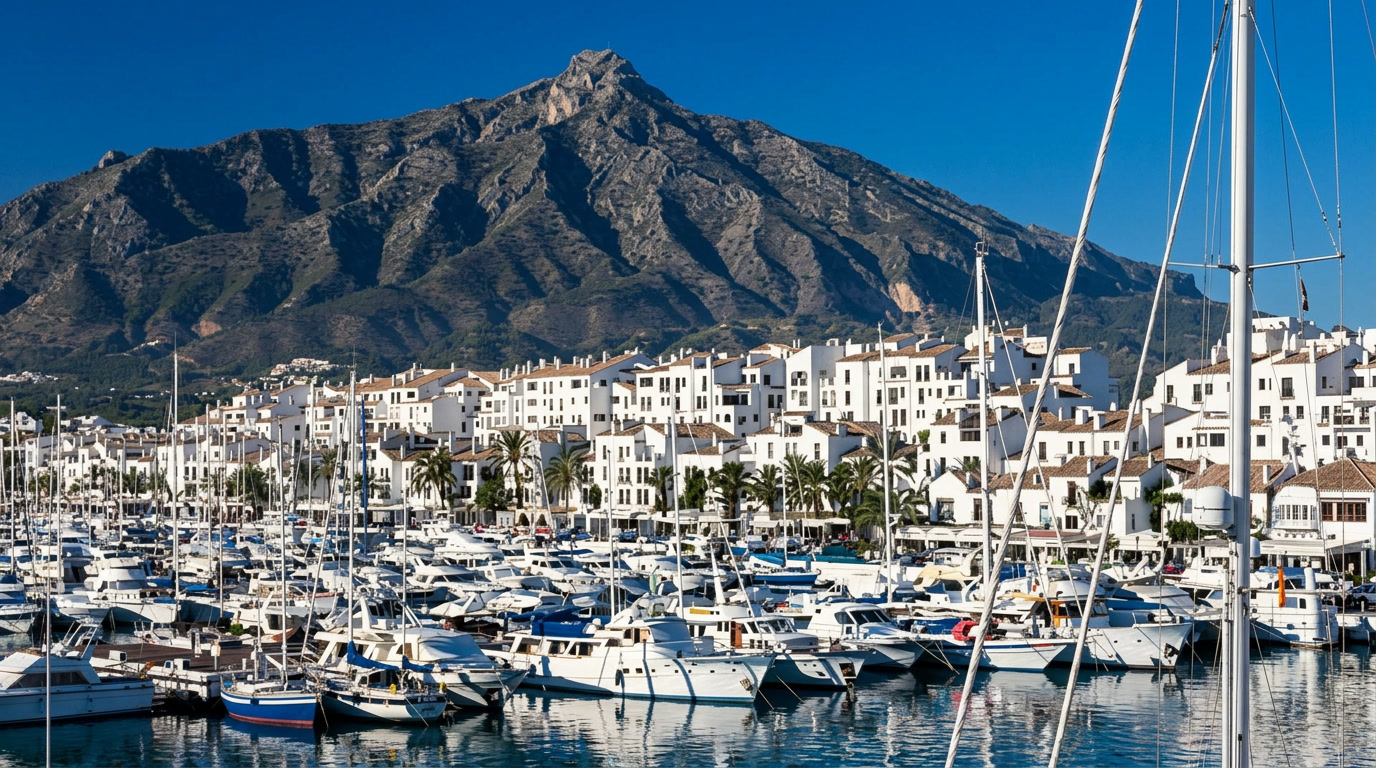
Marbella has built an international reputation around a particular combination of Mediterranean living, high-end hospitality, designer shopping and premium real estate. Within this landscape, Puerto Banús occupies a distinctive position. Its marina, lined with yachts, restaurants and designer boutiques, attracts an international clientele that comes to the Costa del Sol for holidays, second homes, business and leisure. For fashion houses such as Dolce & Gabbana, the area offers a retail environment closely connected to the lifestyle the brand represents.
The Italian fashion house has an established presence in Puerto Banús, where its official store directory lists several branded retail locations, including boutiques in Pueblo Marinero de Ribera, the Club de Mar building and El Corte Inglés. These locations give the brand a visible position within one of southern Spain’s best-known luxury shopping destinations. The distribution of these outlets also demonstrates that a fashion house can serve different shopping needs within the same neighbourhood, from ready-to-wear collections and accessories to other branded product categories.
The commercial significance of Dolce & Gabbana in Marbella is therefore best understood through the relationship between the brand, the marina and the wider luxury economy of the Costa del Sol. Its presence reflects the area's appeal to affluent consumers, while its stores contribute to the mix of international names that define Puerto Banús as a shopping destination.
Puerto Banús and Marbella’s Luxury Retail Market
Puerto Banús is one of Marbella’s principal centres for designer shopping. The marina’s official website promotes more than 100 luxury brands, alongside yacht services, restaurants, events and other visitor experiences. Marbella’s tourism office similarly presents the port as a major destination for luxury retail, with an offer that sits alongside the city's historic centre, traditional shopping streets and wider commercial areas.
For luxury brands, this concentration of businesses creates a particular advantage. Consumers can visit several designer stores during a single trip, compare collections and browse products without travelling across the municipality. Retailers benefit from being part of an established shopping circuit rather than having to persuade customers to visit a location with little surrounding activity.
The environment also differs from that of a conventional shopping centre. In Puerto Banús, the shopping experience is closely tied to the marina itself. Visitors move between waterfront restaurants, terraces, boutiques and the boats moored nearby. The setting encourages leisurely browsing, and the shops form part of a broader day or evening out rather than serving only as destinations for planned purchases.
Although Marbella’s Golden Mile and Puerto Banús are often discussed together when describing the region’s luxury market, they are distinct areas with different commercial functions. The Golden Mile is associated with premium hotels, restaurants, residences and leisure venues along the coast towards Marbella. Puerto Banús, by contrast, has a more concentrated retail and marina-based identity. Together, these areas help support Marbella’s position as an international luxury destination, but Puerto Banús is the more direct reference point when discussing Dolce & Gabbana’s boutique presence.
A Brand Identity Suited to the Costa del Sol
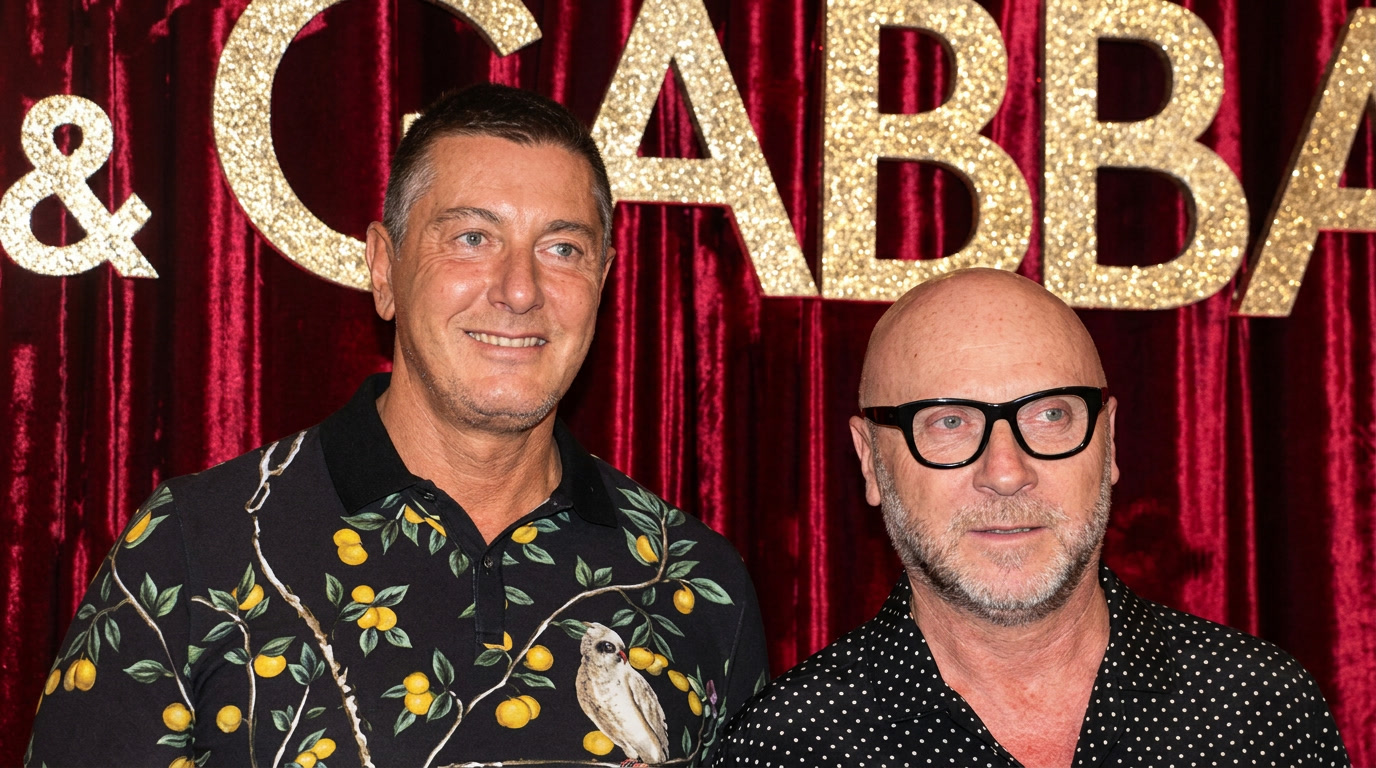
Founded in Italy, Dolce & Gabbana has developed a recognisable design language built around expressive tailoring, strong visual details, Mediterranean references and a willingness to use colour, prints and decorative elements. Its collections span clothing, footwear, handbags, accessories, jewellery, watches and other lifestyle categories.
That identity fits naturally within a market where fashion is often connected to social occasions, travel and outdoor living. Marbella’s climate and hospitality scene create demand for clothing suitable for dinners, resort stays, celebrations and evening events. Visitors may also shop for accessories or statement pieces to complement wardrobes they already own.
The connection between the brand and the destination is not simply about geography. Both draw on a Mediterranean aesthetic, although they express it in different ways. Dolce & Gabbana's designs draw heavily on Italian cultural and artistic references, while Puerto Banús offers the coastal setting, international clientele and leisure infrastructure in which those designs can be experienced and purchased.
For the retailer, the location puts the brand in front of consumers who may already recognise it from fashion campaigns, international stores or digital channels. A visitor spending a few days in Marbella can encounter the label in person, examine the materials and finishes, try garments and receive assistance from store staff. That experience provides something an online product listing cannot fully reproduce.
Boutique Design as Part of the Shopping Experience
The architecture and interior design of a luxury store have an important commercial role. The building, window displays, lighting, materials and layout shape how customers perceive the products before they have handled a single item. In a destination such as Puerto Banús, the exterior also competes for attention with other prominent storefronts and the visual activity of the marina.
Dolce & Gabbana’s Club de Mar boutique offers a useful example. An opening report published in April 2020 described the store as occupying two levels, with womenswear on the ground floor and menswear on the first floor. The design incorporated trencadís, a decorative technique associated with Catalan modernism, using fragments in shades of blue, green, silver and amber against lighter surfaces. Blue ceramic walls, reflective furnishings and natural rope details added texture to the interior, while a terrace housed a Martini Bar.
These design decisions connect the boutique to its surroundings without requiring the fashion house to abandon its own visual identity. The colours recall the sea and coastal landscape, while the mosaic floors and carefully selected materials give the space a distinct architectural character.
The result is a retail environment in which the store itself contributes to the appeal of a visit. This matters in luxury shopping, where customers may place value on presentation, service and atmosphere as well as on the item being purchased. A well-designed boutique can encourage longer visits, make product collections easier to explore and create a stronger memory of the brand.
Architecture also serves a practical purpose. A considered layout can separate departments, display accessories alongside clothing and create room for customers to browse without feeling crowded. For a premium retailer, that balance between presentation and usability is part of the service being offered.
Understanding the Customer Base
Puerto Banús attracts a varied international audience. It includes holidaymakers, owners of second homes, residents from Marbella and neighbouring municipalities, yacht visitors and travellers who include designer shopping in their leisure plans. The relative importance of these groups changes throughout the year, and their purchasing behaviour can differ considerably.
Some customers arrive with a clear intention to buy a particular garment, handbag or accessory. Others enter a store while exploring the marina and decide what to purchase after seeing a collection in person. There are also shoppers who may be familiar with the brand but have not previously visited one of its boutiques.
For a retailer, serving these different groups requires more than an attractive storefront. Staff need to understand the collection, offer appropriate product advice and provide service that suits customers with different levels of familiarity with the brand. Clear communication is particularly useful in an international market where customers may speak a range of languages and have different expectations regarding service.
The wider local economy can also support repeat visits. Residents and people who spend substantial periods in Marbella are not dependent on the holiday season to access the stores. They may return to explore new collections, purchase gifts or shop ahead of social events. This local and repeat business provides a different demand pattern from that of a visitor who passes through the marina once.
The precise contribution of each customer group to Dolce & Gabbana’s sales in Puerto Banús is not publicly established by the sources cited here. Nevertheless, the location makes the brand accessible to several overlapping markets, reducing its reliance on a single reason for visiting Marbella.
Seasonality and the Challenge of Year-Round Retail
Seasonality is a defining feature of the Costa del Sol economy. Summer brings increased activity to the coastline, with holidaymakers, yacht visitors and people spending time in second homes contributing to demand across hospitality, leisure and shopping. Puerto Banús benefits from this activity because its main attractions are concentrated within an area that can be explored on foot.
Yet the performance of a luxury boutique cannot be assessed solely by looking at peak-season foot traffic. A busy promenade does not guarantee that every visitor intends to buy designer fashion. Retailers must convert visibility into visits, and visits into sales, while maintaining service standards throughout quieter periods.
For Dolce & Gabbana, a permanent presence in Puerto Banús can provide continuity beyond individual holiday periods. The area is also part of an established residential and hospitality market, rather than a resort that depends entirely on a short operating season. Hotels, restaurants, private residences and the marina itself sustain reasons to visit throughout the year.
That said, the balance of visitors and purchasing opportunities is likely to shift between seasons. Staffing, stock availability, client communication and store operations need to accommodate changes in customer volume without compromising the shopping experience. These are standard challenges for destination retail, and their importance becomes greater when operating costs are associated with a premium location.
Reliable information about the boutique's monthly sales, visitor numbers or seasonal performance is not available in the cited public sources. It would therefore be misleading to assign a precise revenue pattern to the store. What can be said is that Puerto Banús provides access to both seasonal visitors and a broader local market, giving luxury retailers several potential sources of demand.
Competition and the Importance of Retail Clusters
Dolce & Gabbana operates in a setting where shoppers can encounter many other internationally recognised brands. The official Puerto Banús shopping directory lists a broad range of luxury and premium retailers, making the marina a destination for consumers who want to browse multiple labels during the same visit.
This concentration has two sides. On one hand, shoppers have many alternatives, and each store must distinguish itself through its products, presentation and service. On the other, the area’s reputation for designer shopping helps draw people who might not visit a standalone boutique in a less established location.
Competition in this environment is not only about price. Customers may compare the character of a collection, the suitability of particular products, the quality of service, the availability of sizes and colours, and the overall experience of visiting the store. For a distinctive fashion house, a clear design identity can help consumers understand why its products differ from those offered by neighbouring brands.
The surrounding retail mix also helps shape expectations. Customers who visit Puerto Banús for luxury shopping are likely to encounter a range of products at different price points and across several categories. A retailer's positioning is strengthened when its storefront, staff and collection communicate a consistent proposition.
Dolce & Gabbana’s recognisable aesthetic gives it one basis for differentiation. The challenge is to maintain that identity while responding to the preferences of customers shopping in Marbella, where the same visitor may be interested in clothing, accessories, hospitality and other luxury services during a single stay.
Commercial Property and the Value of a Premium Address
A retail address in a well-established luxury district carries commercial value beyond the space occupied by the shop. Location determines who passes the storefront, how easily customers can find it and how it relates to nearby retailers, restaurants and visitor attractions. In Puerto Banús, proximity to the marina and other designer stores is an important part of the area's appeal.
The presence of major international brands can also reinforce the identity of a shopping district. Recognisable names give customers a reason to visit and help communicate the type of retail environment they can expect to find. In turn, a district known for designer shopping may be more attractive to other premium operators considering a location there.
However, this does not mean that the presence of a particular brand automatically increases nearby rents by a measurable amount. Commercial property values depend on several factors, including the quality and size of the premises, frontage, lease terms, pedestrian movement, building condition and the wider economic climate. Establishing the specific effect of Dolce & Gabbana on local rental values would require verified property transactions or leasing data.
The more defensible conclusion is that the brand participates in a larger retail cluster whose reputation is a shared asset. The commercial relationship works in both directions: the location provides access to a recognised audience, while prominent retailers help sustain the area's identity as a destination for luxury shopping.
Store Operations in a Waterfront Location
The experience presented to customers depends on a network of operations that are less visible from the street. Products must be delivered, stock must be managed, displays updated, staff scheduled and customer requests handled. A waterfront retail location adds practical considerations involving deliveries, access, storage and coordination with neighbouring businesses.
For an international fashion house, these tasks are generally supported by wider distribution and retail systems rather than relying exclusively on local infrastructure. Goods may move through several distribution points before reaching the shop, while inventory planning must account for product demand, collection changes and the timing of deliveries.
It would be speculative to describe a specific logistics route used by Dolce & Gabbana in Marbella without company information. The Port of Algeciras and Málaga-Costa del Sol Airport are important regional transport facilities, but their existence alone does not establish how this particular boutique receives its stock.
The same care is needed when discussing municipal regulation. Shops must operate within the applicable rules for commercial premises, signage, safety and the use of their buildings. The precise requirements depend on the property and the work being undertaken. Without a specific municipal record or approval document, claims about special planning restrictions applying to a particular storefront should not be treated as confirmed.
For luxury retailers, operational reliability is essential because the customer-facing experience depends on what happens behind the scenes. A beautifully presented store cannot offer a satisfactory visit if key products are unavailable, service is inconsistent or routine operations interrupt the shopping environment.
The Relationship Between Physical Stores and Digital Commerce
Online shopping has changed the way consumers discover luxury brands, research products and plan purchases. Customers can explore collections, check product details and review current offerings before visiting a physical store. Digital channels can also maintain contact with people who have previously purchased from a brand or are considering a future visit.
Physical boutiques remain relevant for reasons that digital retail cannot fully replace. Clothing can be tried on, fabrics and finishes can be examined directly, and customers can receive personal advice. The store also provides an opportunity to see how products are presented within the brand's wider aesthetic.
For international visitors, a boutique can become part of the destination itself. The visit is tied to the marina, a meal, an afternoon of shopping or a broader stay in Marbella. That makes the physical location valuable not only as a sales channel but also as a point of contact between the brand and its customers.
The relationship between online and in-store retail is therefore better understood as complementary than simply competitive. A customer might first discover a product online and later purchase it in Puerto Banús. Another might visit the store, compare options and complete a purchase through a digital channel. The specific balance will depend on individual preferences and the systems available to the retailer.
For Dolce & Gabbana, an established presence in Puerto Banús offers a way to connect its international brand identity with a physical destination. Digital visibility can help customers find the location, while the boutique gives them an opportunity to experience the products and service in person.
What Comes Next for Luxury Retail in Marbella?
The long-term position of luxury retail in Puerto Banús will depend on several connected factors: the appeal of Marbella as a destination, the strength of the local and international customer base, the quality of the shopping environment and the ability of retailers to respond to changing preferences.
For the marina, the combination of designer shopping, dining, yacht facilities and leisure activities provides a broad foundation. Its official visitor information promotes more than 900 berths and a retail offer of over 100 exclusive brands, reflecting the concentration of commercial and nautical activity within the port. These are figures published by the marina's management, rather than independent measures of retail performance.
Maintaining that appeal will require attention to the wider visitor experience. Accessibility, cleanliness, public spaces, parking, building maintenance and the mix of businesses all influence how customers experience a shopping district. Luxury retail does not operate in isolation from these considerations. A prominent boutique can attract attention, but the surrounding environment helps determine whether visitors enjoy spending time in the area.
Retailers will also need to retain a clear understanding of their own customers. Product selection, service, store design and digital communication should reflect the needs of the audience without reducing the brand to a generic expression of local luxury. For a label with a strong visual identity, consistency matters: shoppers should recognise the same core design language while receiving an experience suited to the location.
There is no basis for predicting exact future sales or property values for Dolce & Gabbana in Puerto Banús without reliable company and market data. The broader outlook, however, rests on the continuing relationship between an internationally recognised fashion brand and a marina that has built much of its identity around premium retail and leisure.
A Recognisable Name Within Marbella’s Luxury Landscape
Dolce & Gabbana’s presence in Puerto Banús illustrates how luxury retail depends on the relationship between a brand and the place in which it operates. The fashion house brings an established identity, internationally recognised collections and a distinct approach to design. Puerto Banús offers a concentrated retail environment supported by marina activity, restaurants, tourism and an established market for premium shopping.
The boutique's architecture and location contribute to the experience, while the wider shopping district provides access to customers with different reasons for visiting Marbella. Seasonal demand, competition, operational requirements and changing shopping habits remain important considerations, as they do for any premium retailer operating in a tourist destination.
The commercial significance of the store should not be reduced to assumptions about sales, logistics or property prices that have not been independently verified. Its more visible role is straightforward: Dolce & Gabbana forms part of the international retail offer that distinguishes Puerto Banús, giving visitors and residents access to the brand within one of southern Spain’s best-known luxury shopping areas.
As Marbella continues to attract people for its coastal lifestyle, hospitality and premium services, the relationship between designer brands and their locations will remain an important part of the region's commercial character. For Dolce & Gabbana, Puerto Banús provides a recognisable address within that market and a physical setting in which the brand can engage with customers visiting the Costa del Sol.
Sources and editorial notes: The location and retail-format references in this article are based on Dolce & Gabbana’s official Puerto Banús store directory. Descriptions of the wider retail environment draw on the official Puerto Banús website and Marbella’s tourism website. The details of the Club de Mar boutique's interior are based on a report published in April 2020. Store listings, product availability and opening hours can change and should be checked through the brand's official directory before publication or a planned visit.
From the journal
Related articles

Cloth Cut on the Diagonal and Shirts Thrown Across a Table: 1920s Luxury Fashion and a Formal Evening in Marbella
An examination of 1920s eveningwear construction, materials, and cut, detailing authentic period black-tie standards ahead of Puente Romano's charity gala.
18 OCT 2026
Costa del Sol at 50: A New Brand and the Long Fight Against Seasonality
Turismo Costa del Sol unveiled its new identity in May and took it to Madrid and Barcelona this week, marking 50 years since the 1976 Patronato. INE data show why the push for year-round visitors matters: August still brings three times January's hotel nights, and most of this year's growth came in January, March and April.
20 NOV 2026
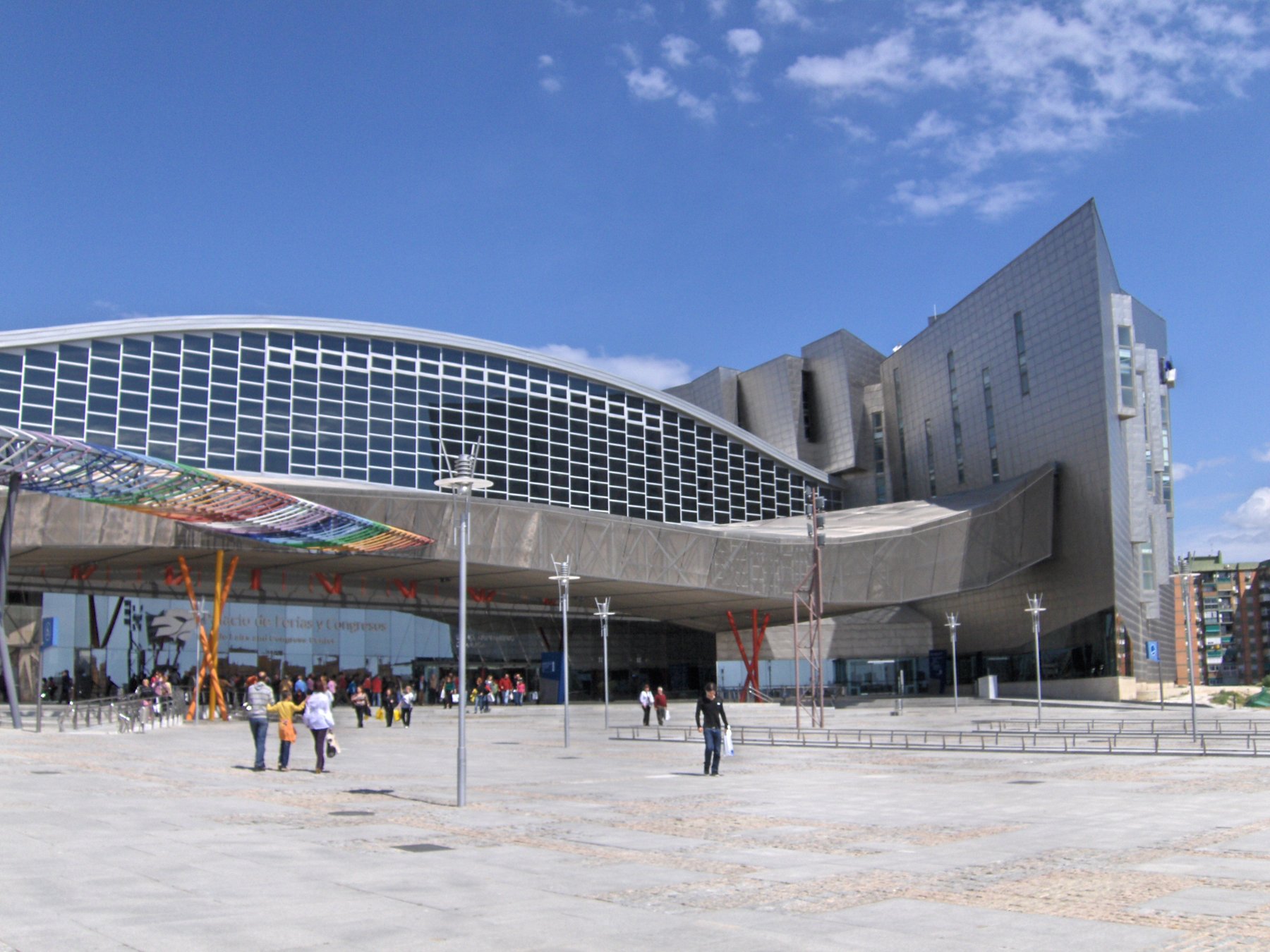
FYCMA: Málaga's Trade Fair and Congress Centre, and the Case for Building Bigger
Málaga's municipal trade fair and congress centre reported 147 events and 283,936 attendees in 2025 and now plans a 12,000-square-metre hall. A look at the building, its self-reported figures, its place in the ICCA table and the limits an extension would and would not solve.
16 NOV 2026
Live from the coast
Related wire dispatches
Fashion Leads Black Friday Plans as Surveys Split on Spending and Málaga's Outlet Starts Early
Fashion tops Spanish shoppers' Black Friday plans in two consumer surveys, which disagree on spending: OCU expects a fall to €196 a head, the AEC a 2% rise to €208. In Málaga, the McArthurGlen outlet runs extra discounts from 20 to 30 November.
Puerto Banús Holds First Luxury Forum as Brands Shift From Product to Experience
Executives from Tom Ford, Loewe, Fendi and Lamborghini Marbella joined Círculo Fortuny, ModaEspaña and IFEMA at the first Puerto Banús Forum on Fashion, Luxury and Lifestyle on 12 November. Speakers said clients now expect personal service, privacy and experiences, not product alone.
Ladies European Tour Ends Its Season At La Cala From 26 November, With Málaga's Ana Peláez In A 75-Player Field
The Andalucía Costa del Sol Open de España presented by Oysho closes the Ladies European Tour season on La Cala Resort's Campo Europa, in Mijas, from 26 to 29 November. The 75 players, with no cut, compete for €700,000, and the winner takes €105,000. Casandra Alexander has already won the Order of Merit; the Rookie of the Year award is still open.