10 Best Beaches on the Costa del Sol to Enjoy During Winter
Discover the 10 best Costa del Sol beaches to enjoy in winter, from Estepona and Marbella to Nerja and Málaga. Coastal walks, restaurants and sunshine.
By Anna Kuznetsova · Updated 04 NOV 2026
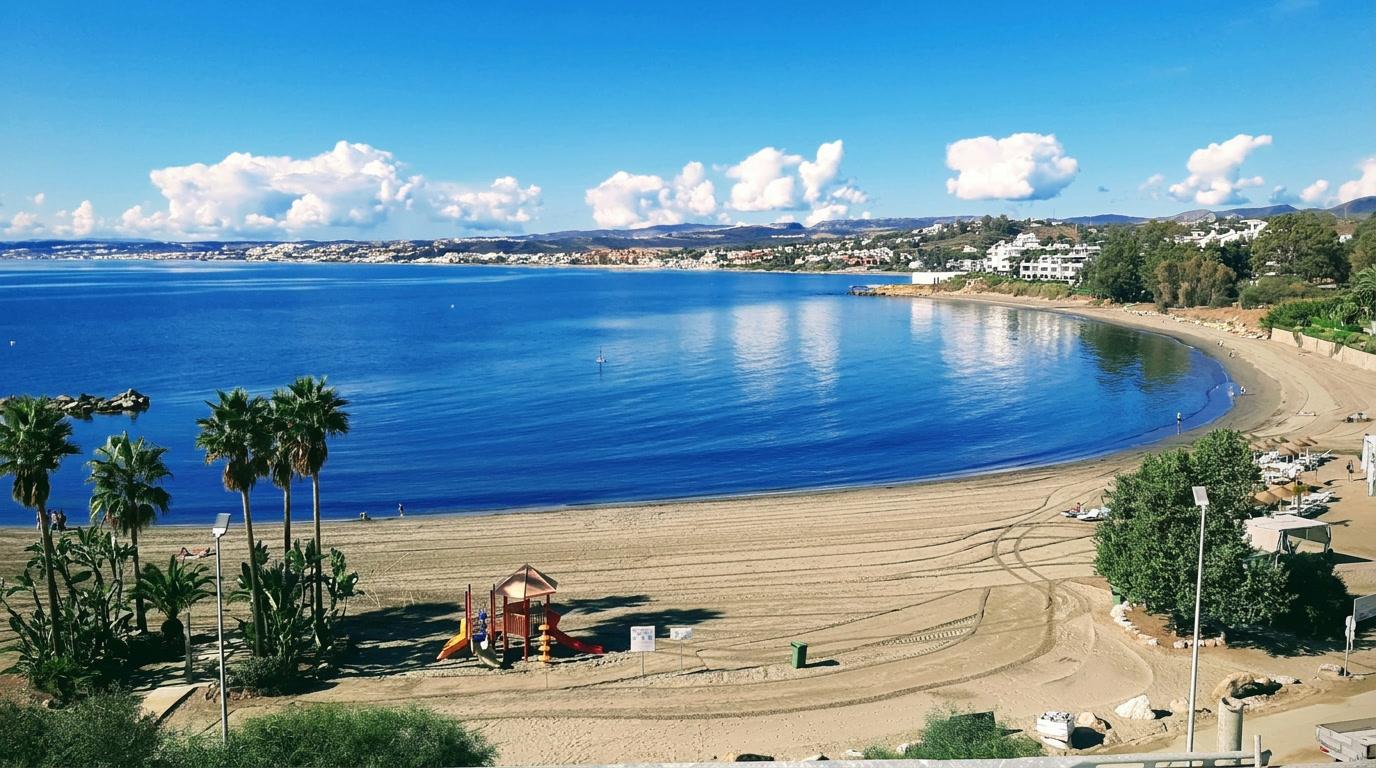
Playa del Cristo, Estepona
The Costa del Sol has a reputation built around summer holidays, beach clubs, crowded promenades and long afternoons spent beside swimming pools. Between June and September, much of the coastline becomes one of Europe's busiest holiday destinations. Restaurants fill up, parking becomes a challenge, and finding a quiet stretch of sand can sometimes feel like an achievement in itself.
But there is another side to the Costa del Sol that deserves considerably more attention: winter.
From November through March, the coastline takes on a different character. The beaches become quieter, the promenades are easier to enjoy, and the Mediterranean landscape feels considerably less commercial. On a sunny afternoon, temperatures can be comfortable enough for a walk along the water, a coffee on a beachfront terrace or even a few hours relaxing on the sand.
Winter is also an excellent time to discover beaches that might otherwise be overlooked. Without the summer crowds, the natural beauty of the coastline becomes more apparent. The dunes of Marbella, the sheltered coves of Estepona, the traditional fishing neighbourhoods of Málaga and the dramatic scenery around Nerja all offer something different.
Of course, expectations matter. The Mediterranean is not a tropical swimming destination in December, and the weather can change quickly. Some beach restaurants reduce their opening hours, seasonal facilities close, and strong easterly or westerly winds can make an exposed beach considerably less comfortable.
Nevertheless, the Costa del Sol remains one of the most attractive places in southern Europe for anyone who enjoys spending time outdoors during the colder months.
Whether you are a resident looking for somewhere different to spend a Sunday afternoon, a long-term visitor escaping northern European winters, or a traveller planning an off-season holiday, these are ten beaches worth discovering.
1. Playa del Cristo, Estepona
Best for: Sheltered winter afternoons, families and relaxed coastal scenery.
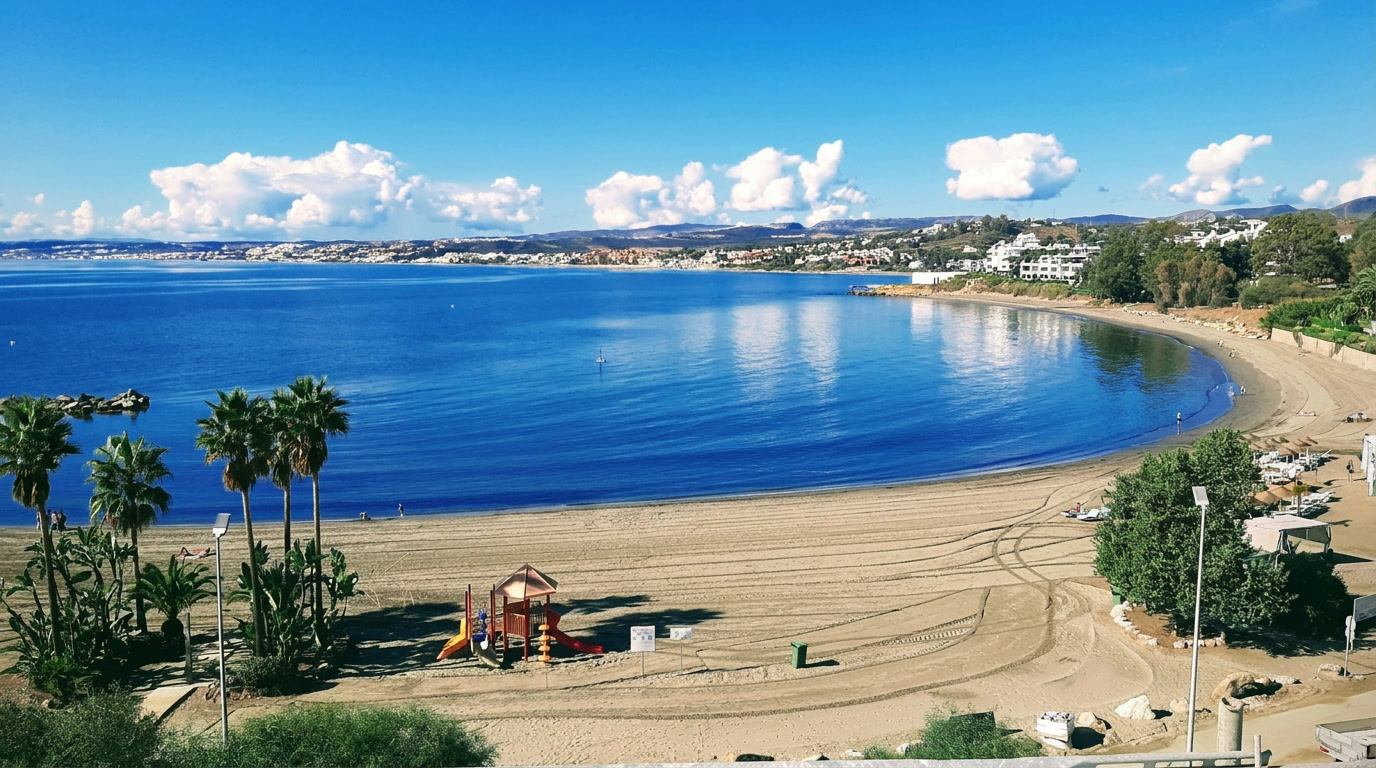
Playa del Cristo is one of the most appealing beaches in Estepona, particularly during the winter months. Located just west of the marina, this relatively small bay offers something that many other beaches along the Costa del Sol cannot always provide: a more sheltered environment.
The beach sits inside a natural-looking cove, with its shape offering some protection from certain coastal winds. This can make a noticeable difference when spending time beside the sea during winter. While no beach is completely protected from changing weather conditions, the sheltered setting makes Playa del Cristo an attractive option on a sunny afternoon.
Its golden-grey sand, relatively shallow water and gently curving shoreline give it a more intimate atmosphere than the long urban beaches found elsewhere in the region.
During summer, Playa del Cristo is particularly popular with families. In winter, the atmosphere changes considerably. There is more room to walk along the sand, fewer people competing for the best position, and a much more relaxed relationship between the beach and its surroundings.
One of the biggest advantages is its proximity to Estepona Marina. After spending some time on the beach, visitors can walk towards the port, where restaurants, cafés and bars provide an alternative to sitting directly on the sand.
The marina is also an excellent place to enjoy lunch, particularly if the weather becomes cooler during the afternoon.
For residents of Estepona, Playa del Cristo is an easy choice for an unplanned winter outing. You do not need to organise an entire day around the visit. A short walk, a coffee by the water and some time watching the Mediterranean can be enough.
What makes it special in winter?
The combination of a sheltered cove, convenient access and nearby restaurants makes Playa del Cristo one of the most practical winter beach destinations on the western Costa del Sol.
It is also particularly attractive for families with young children who want somewhere to spend time outdoors without committing to a long coastal hike.
A practical tip: Parking near the marina can be easier outside the summer season, but it is still worth checking local restrictions and availability before travelling.
2. Dunas de Artola and Playa de Cabopino, Marbella
Best for: Nature lovers, photography, peaceful walks and escaping urban surroundings.
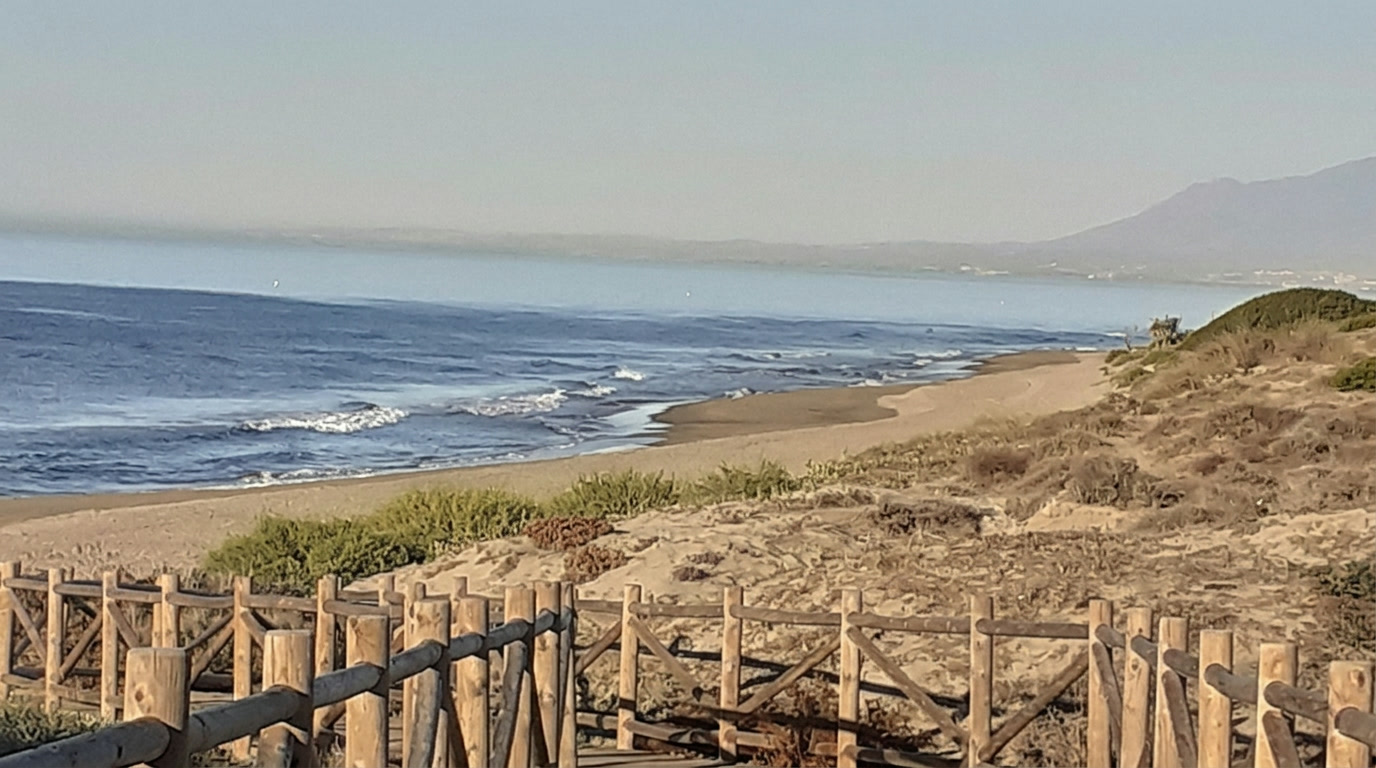
If there is one place on the Costa del Sol that demonstrates how much natural beauty remains along this heavily developed coastline, it is the area around Dunas de Artola and Cabopino.
Situated east of Marbella, this stretch of coastline offers a very different experience from the traditional urban beaches of the region.
The Artola Dunes form a protected natural environment, where coastal vegetation, sandy landscapes and wooden walkways create a setting that feels surprisingly removed from the surrounding residential developments.
During summer, Cabopino attracts considerable attention from visitors looking for its attractive sand, beach restaurants and proximity to the marina. Winter is arguably an even better time to appreciate the natural surroundings.
The cooler temperatures make walking through the dunes considerably more comfortable, while the reduced number of visitors allows the landscape to take centre stage.
The wooden walkways provide an opportunity to explore the protected area without walking directly over sensitive dune vegetation. From certain points, visitors can enjoy views across the Mediterranean and towards the distinctive coastline of Marbella.
Nearby, the Torre Ladrones watchtower provides an additional point of interest. This historic coastal structure is one of the most recognisable landmarks in the area and reflects the defensive network once used to monitor the Andalusian coastline.
Cabopino itself offers a long sandy beach, with a more natural appearance than many of the heavily urbanised stretches of the Costa del Sol.
Another attraction is the possibility of extending the visit towards Cabopino Marina. Although some establishments operate seasonally, the area offers opportunities to find somewhere for a meal or a drink when conditions are suitable.
The beach also includes a naturist section, something worth knowing before choosing where to settle.
What makes it special in winter?
Cabopino is less about spending an entire afternoon swimming and more about experiencing the natural coastline. The dunes, walking routes, sea views and historic tower make it one of the most rewarding places for a winter excursion.
It is particularly suitable for couples, photographers, nature enthusiasts and anyone who prefers a beach environment without the constant presence of beach clubs and commercial activity.
A practical tip: Stay on marked paths when exploring the dunes. The protected vegetation is an important part of the ecosystem, and visitors should avoid walking across the sensitive areas.
3. Playa de Burriana, Nerja
Best for: Beachfront dining, spectacular surroundings and a lively winter atmosphere.
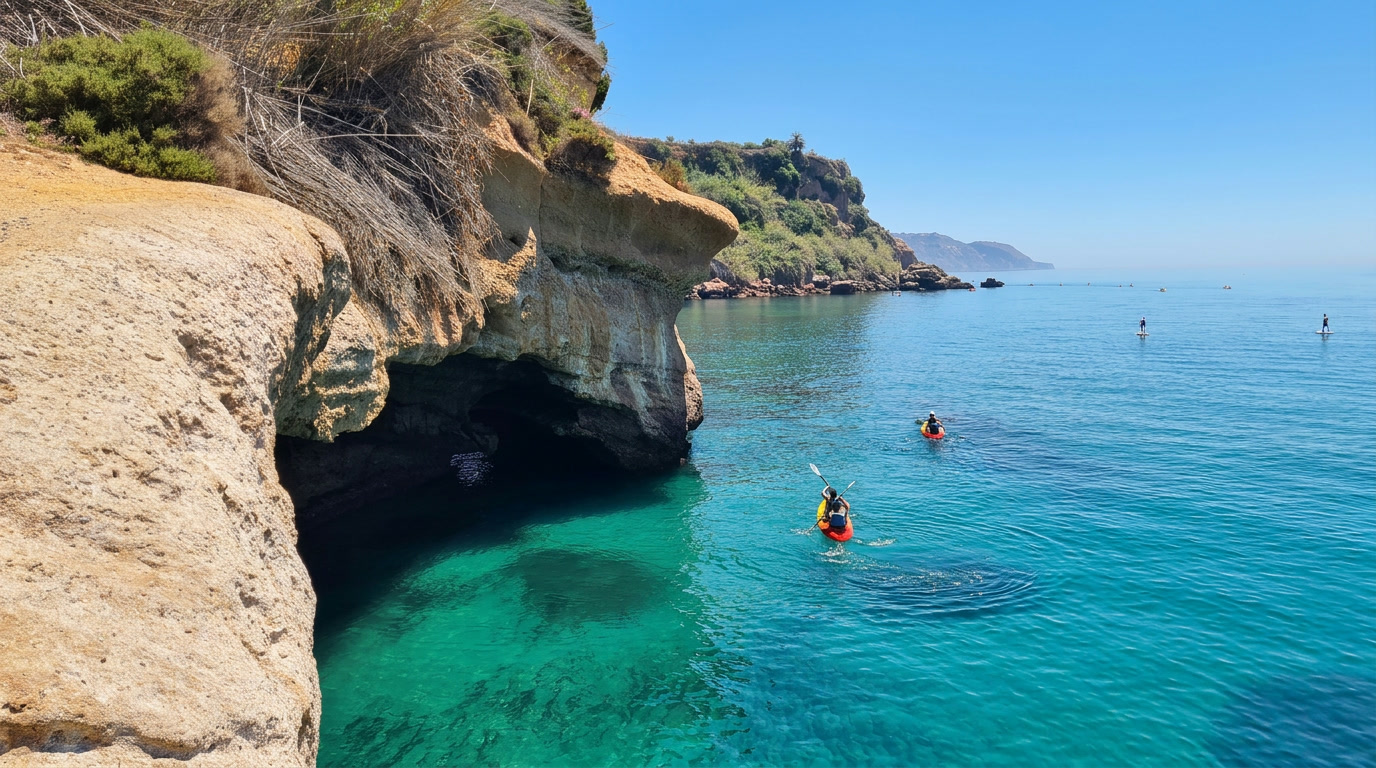
Nerja is one of the most distinctive destinations on the eastern Costa del Sol. Its combination of whitewashed architecture, dramatic coastal scenery and relatively traditional Andalusian character makes it particularly attractive outside the main holiday season.
Among its beaches, Playa de Burriana is arguably the most versatile.
Located just south of Nerja's town centre, Burriana is a broad sandy beach backed by a selection of restaurants, cafés and beach establishments. Unlike some of the more secluded coves around the municipality, it offers enough infrastructure to make a winter visit convenient.
Its most famous attraction is undoubtedly the beachfront dining scene.
Restaurants serving grilled fish, seafood, paella and other Mediterranean dishes provide an excellent reason to visit even when the water is too cold for swimming.
A particularly well-known name in the area is Ayo's, famous for its traditional paella cooked over an open fire. Enjoying a meal beside the sea, with the mountains and Mediterranean forming the background, is one of those experiences that makes an off-season visit to Nerja worthwhile.
Winter also changes the atmosphere of the beach itself.
During July and August, Burriana can become extremely busy, particularly around its most popular restaurants. In winter, there is considerably more room to appreciate its surroundings, walk along the shoreline and enjoy the sound of the sea.
The beach is also a good starting point for exploring other parts of Nerja. A walk towards the town centre brings visitors closer to the famous Balcón de Europa, one of the region's best-known viewpoints.
From there, the old town offers plenty of opportunities to explore traditional streets, independent shops and local restaurants.
For those staying in Málaga, Fuengirola or Marbella, Nerja makes an excellent destination for a full-day winter excursion.
What makes it special in winter?
Burriana combines the convenience of an established beach destination with the character of Nerja. You can enjoy a coastal walk, have a proper beachfront lunch and explore one of the most attractive towns in the province without needing summer temperatures.
A practical tip: Do not assume every beachfront restaurant will maintain its summer opening schedule. Check opening hours before making a special trip, particularly during weekdays in January and February.
4. Playa de La Rada, Estepona
Best for: Long coastal walks, everyday winter sunshine and beachfront cafés.
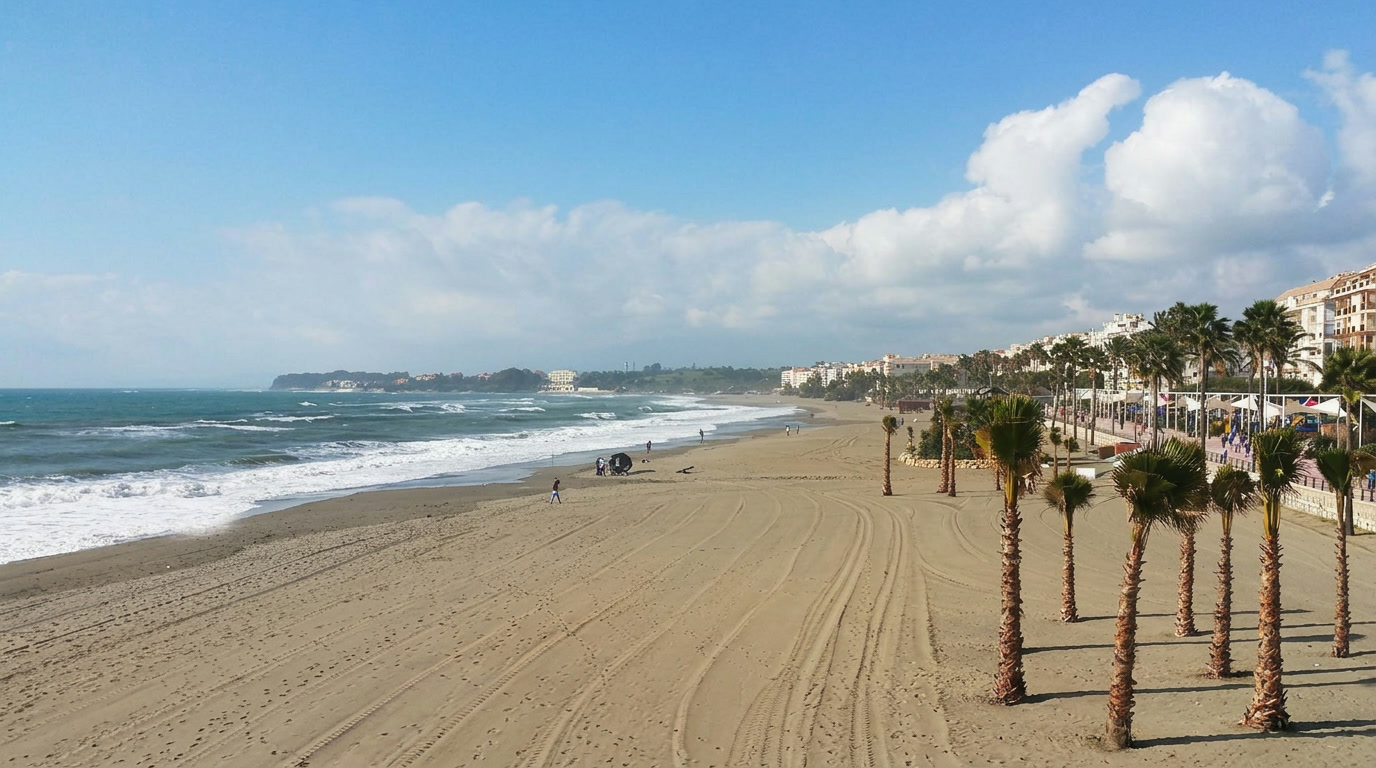
Some beaches are attractive because of their natural surroundings. Others are appealing because of the lifestyle they offer. Playa de La Rada, in the centre of Estepona, combines both.
Stretching along the town's seafront, La Rada is one of the most recognisable beaches on the western Costa del Sol. Its position directly in front of Estepona's historic centre gives it an advantage that more isolated beaches cannot easily match.
The main attraction during winter is the promenade.
The Paseo Marítimo Pedro Manrique runs alongside the beach, connecting different sections of the seafront and offering an easy route for walking, jogging and cycling.
Palm trees, landscaped areas, benches and regular beach access points make it particularly pleasant during the colder months.
On a clear winter morning, the promenade becomes a natural meeting place for residents. People walk their dogs, exercise, meet friends for coffee or simply spend some time looking towards the sea.
It is also an excellent place to enjoy the changing light throughout the day. Winter sunsets and the occasional dramatic cloud formation can create beautiful views across the Mediterranean.
Another advantage is the proximity to Estepona's old town.
A few minutes away from the beach, visitors can discover narrow pedestrian streets, flower-covered buildings, traditional squares and independent restaurants. This makes La Rada a particularly good destination for anyone who wants more than just a beach visit.
You can easily combine a morning walk by the sea with lunch in the historic centre and an afternoon exploring the town.
The beach itself is long enough to provide plenty of space outside the busiest summer periods. Although sand conditions can vary along the shoreline, there is generally room to enjoy a walk close to the water.
What makes it special in winter?
La Rada is one of the best examples of how the Costa del Sol functions as a year-round destination rather than simply a summer resort.
Its promenade, urban location, restaurants and proximity to the historic centre make it an easy choice regardless of whether you are visiting for an hour or spending an entire afternoon in Estepona.
A practical tip: Start your visit near the town centre and walk towards the fishing harbour. It is a simple way to experience the seafront without needing to plan a complicated route.
5. Playa de Pedregalejo, Málaga
Best for: Traditional Andalusian food, seaside walks and authentic local atmosphere.
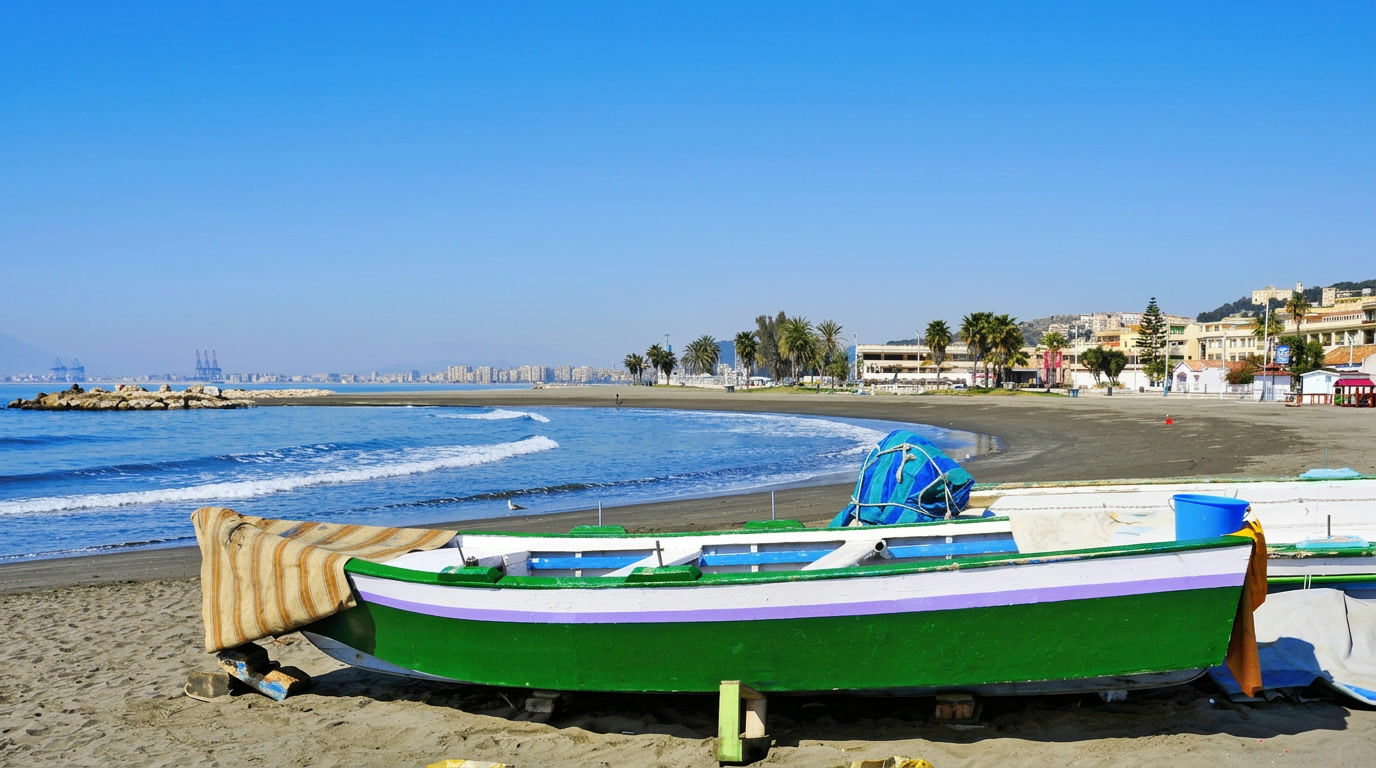
Málaga is often associated with museums, historic architecture, shopping and nightlife. However, its eastern coastline offers a very different experience from the city's busy centre.
Pedregalejo is one of the most interesting seaside neighbourhoods in the province, particularly for anyone who wants to experience the traditional relationship between Málaga and the Mediterranean.
Historically a fishing community, Pedregalejo has retained much of its maritime identity. Its beach is divided into several smaller sections by breakwaters, creating a series of relatively sheltered areas along the shoreline.
The beach is not particularly wild or remote, but that is precisely what makes it attractive during winter.
Its greatest advantage is the surrounding neighbourhood.
The seafront is lined with restaurants and chiringuitos, many of which specialise in traditional seafood dishes. Grilled sardines, known locally as espetos, are among the most recognisable dishes associated with Málaga's coastal culture.
The traditional method involves cooking the fish over wood or charcoal in boats filled with sand, positioned directly on the beach.
It is a simple preparation, but one that captures the character of the region remarkably well.
Winter is an excellent time to visit Pedregalejo for lunch, particularly on a sunny weekend. The atmosphere is generally more relaxed than during the summer, and the neighbourhood remains closely connected to everyday local life.
A walk along the seafront can also be combined with a visit to nearby El Palo, another traditional fishing district with its own restaurants and coastal character.
For visitors staying in central Málaga, Pedregalejo is easily accessible by public transport or taxi.
It also offers an opportunity to discover a side of the city that is often missed by visitors who concentrate exclusively on the historic centre.
What makes it special in winter?
Pedregalejo offers one of the best combinations of beach scenery and traditional gastronomy on the Costa del Sol. You can enjoy the Mediterranean atmosphere without depending on warm swimming conditions.
A practical tip: Make lunch the main event. A sunny afternoon beside the sea, with fresh fish and a leisurely walk afterwards, is arguably the best way to experience Pedregalejo in winter.
6. Playa de La Carihuela, Torremolinos
Best for: Beachfront restaurants, flat coastal walks and easy access to services.
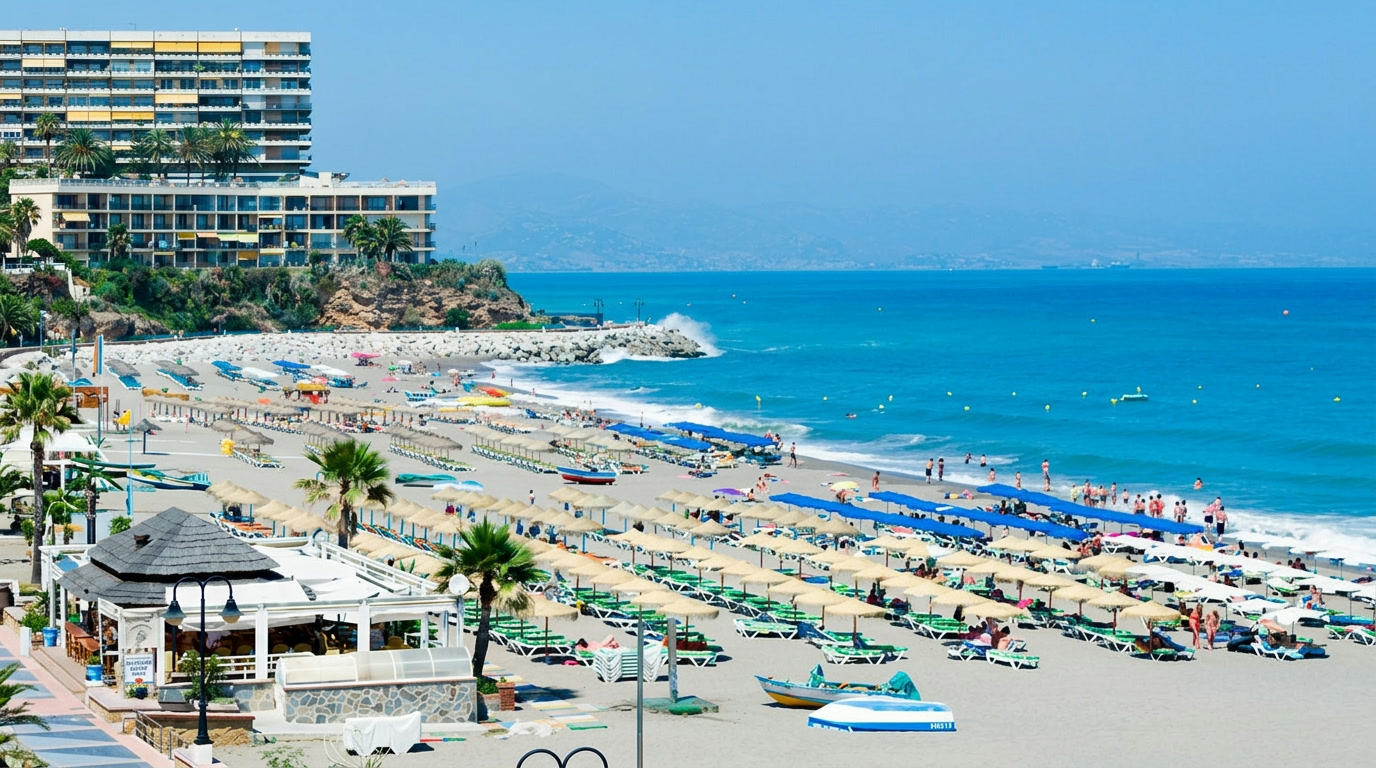
La Carihuela is one of the most recognisable seaside neighbourhoods in Torremolinos. Its history as a fishing district is still visible in parts of the area, although it has developed into one of the most established beachfront destinations on the Costa del Sol.
During summer, the beach is busy with international visitors, families and holidaymakers. In winter, it becomes a considerably more relaxed place to spend an afternoon.
One of its strongest advantages is the promenade.
The long coastal walkway makes it possible to enjoy a substantial seaside walk without needing to leave the urban environment. Visitors can move between La Carihuela, Bajondillo and nearby Benalmádena, depending on how far they want to walk.
The route is particularly attractive during winter because it combines sea views with easy access to cafés, restaurants and shops.
La Carihuela is also famous for its seafood restaurants.
Traditional fried fish, grilled seafood and other Andalusian dishes remain an important part of the area's identity. Many visitors come specifically to enjoy a meal close to the water.
Although individual establishments may reduce their opening hours during the colder months, the area generally offers more alternatives than remote beaches.
The beach itself is broad and sandy, making it suitable for leisurely walks along the shoreline.
For those travelling without a car, Torremolinos is particularly convenient. The town is connected to Málaga and Fuengirola by the Cercanías C1 commuter railway, making it possible to enjoy the beach without dealing with parking.
La Carihuela is also a good choice for older visitors or anyone who prefers relatively flat walking routes rather than steep coastal paths.
What makes it special in winter?
The combination of an extensive promenade, traditional restaurants, public transport and a lively residential neighbourhood makes La Carihuela one of the most convenient winter beach destinations in the central Costa del Sol.
A practical tip: Walk towards Benalmádena Marina if you want to extend your afternoon. The route provides a good opportunity to explore different sections of the coastline.
7. Playa de Malapesquera, Benalmádena
Best for: Easy beach access, marina walks and combining the coast with other activities.
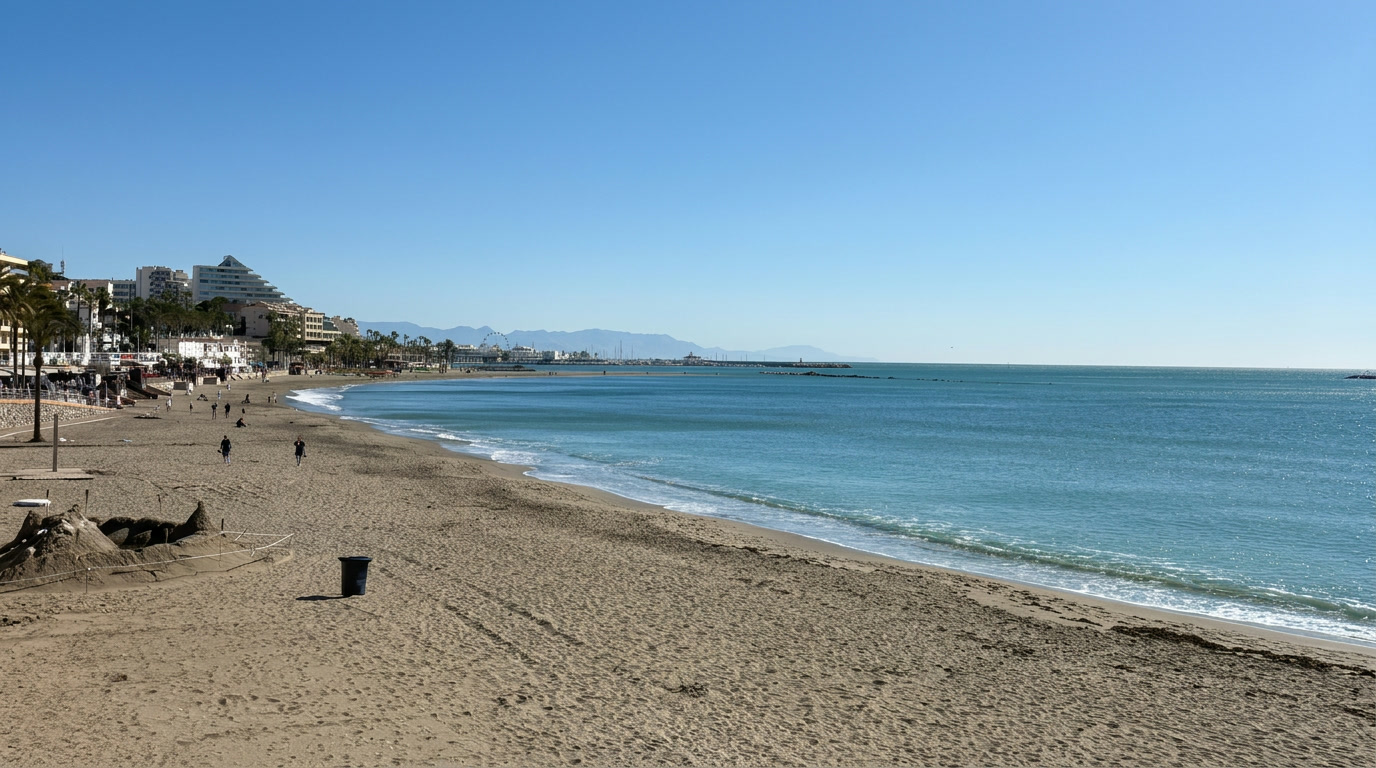
Benalmádena offers one of the most varied coastal environments on the Costa del Sol. Between its traditional coastal neighbourhoods, modern residential developments and the internationally recognised Puerto Marina, there are plenty of places to explore throughout the year.
Playa de Malapesquera is one of the most convenient options during winter.
Located close to Benalmádena Marina, this urban beach benefits from its central position and easy access to surrounding facilities.
During the summer, it is a popular destination for families and holidaymakers. Outside the main season, its appeal is more closely connected to the promenade, the marina and the wider coastal environment.
The beach offers a relatively broad stretch of sand, with plenty of space to walk and enjoy the sea views.
Its proximity to Puerto Marina is particularly useful during winter. The marina provides an alternative destination when the beach itself is too exposed or the weather becomes less comfortable.
The architecture of Puerto Marina is one of its defining characteristics. Its distinctive combination of nautical design, white buildings, waterways and restaurants makes it one of the most recognisable leisure areas in Benalmádena.
Visitors can spend time walking around the marina, enjoying a coffee or exploring the surrounding shops and restaurants.
The beach is also well positioned for those who want to continue towards neighbouring coastal areas.
A winter visit can easily become a longer afternoon exploring the coastline between Benalmádena and Torremolinos.
For families, Malapesquera offers a convenient environment with an urban setting and nearby facilities. However, visitors should remember that summer lifeguard services and certain beach amenities may not operate throughout winter.
What makes it special in winter?
Malapesquera is a practical choice for anyone who wants to combine time on the beach with restaurants, marina scenery and other activities.
It is less about escaping civilisation and more about enjoying the Mediterranean lifestyle at a slower pace.
A practical tip: Combine the beach with a walk around Puerto Marina. The marina is one of the most interesting architectural and leisure areas in this part of the Costa del Sol.
8. Playa de Carvajal, Fuengirola and Benalmádena
Best for: A quieter beach atmosphere and longer coastal walks.
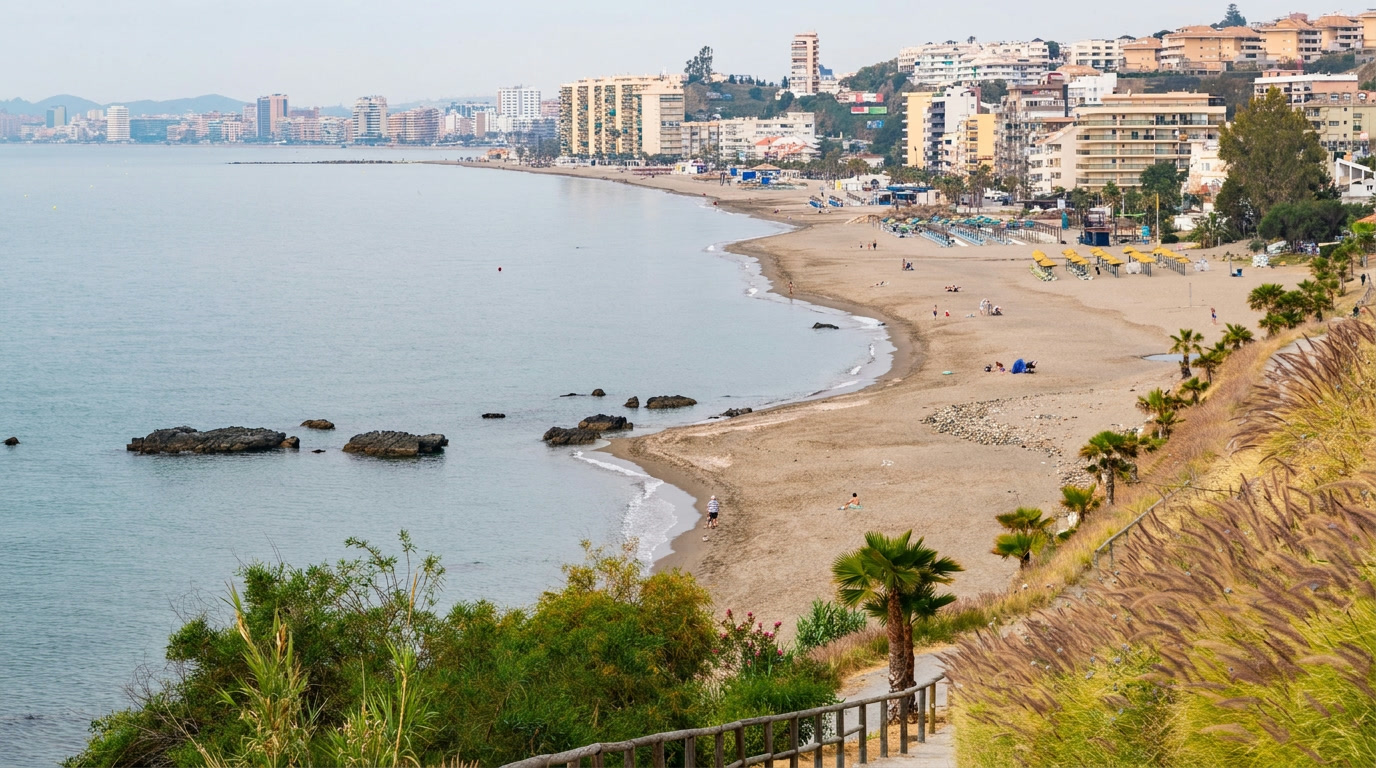
Situated between Fuengirola and Benalmádena, Playa de Carvajal is a particularly interesting option for winter visitors who prefer a beach with a little more breathing room.
Unlike the central beaches of Fuengirola, Carvajal has a somewhat more residential atmosphere. Its position between two major coastal municipalities makes it a convenient destination for residents and visitors from different parts of the central Costa del Sol.
The beach is sandy and relatively spacious, offering an attractive setting for walking and enjoying the sea.
Winter is an excellent time to appreciate the coastline here. The absence of summer crowds makes it easier to enjoy the shoreline without constantly navigating around sunbeds, umbrellas and busy beach entrances.
One of the area's attractions is its relationship with the wider coastal walking network.
Visitors can explore different sections of the Mijas Costa coastline, connecting beaches and promenades along the way. The Senda Litoral project has gradually improved opportunities to experience parts of the Málaga coastline on foot.
The exact continuity of the walking route varies by section, so it is worth checking the route before planning a particularly long excursion.
Carvajal is also well positioned for visitors who want to combine a beach outing with a meal.
The surrounding coastal area has restaurants and cafés, although seasonal opening schedules should be checked in advance.
Another advantage is transport. The Carvajal railway station on the C1 line provides access to the wider Málaga-Fuengirola railway network, making the beach a useful option for visitors who do not have a car.
For anyone staying in Fuengirola, Benalmádena or Málaga, it can be a straightforward destination for a relaxed winter afternoon.
What makes it special in winter?
Carvajal offers a good balance between accessibility and a quieter atmosphere. It is a suitable option for people who want to spend time walking along the beach rather than visiting one of the region's busiest promenades.
A practical tip: Check the wind forecast before visiting. The beach is relatively exposed, and a strong coastal wind can make even a sunny winter afternoon feel considerably colder.
9. Playa de Maro, Nerja
Best for: Dramatic natural scenery, photography and escaping developed coastal areas.
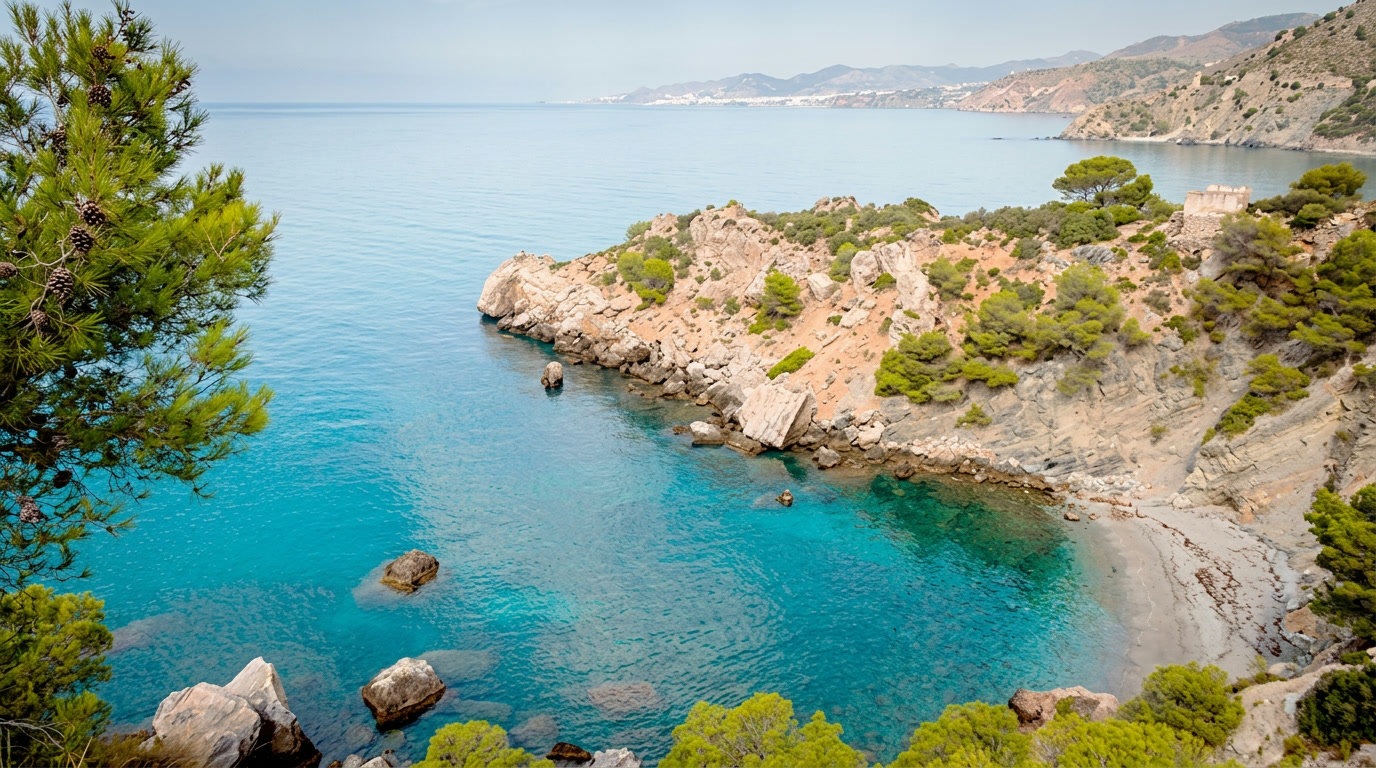
For visitors who prefer natural landscapes to urban beaches, Playa de Maro is one of the most rewarding places to discover along the Costa del Sol.
Located near the small village of Maro, east of Nerja, the beach forms part of the spectacular Maro-Cerro Gordo coastal landscape.
This is a very different environment from the more developed beaches around Marbella, Fuengirola and Torremolinos.
Here, the mountains approach the Mediterranean, creating steep cliffs, rocky formations and small coves that give the coastline a distinctive character.
The scenery is particularly impressive during winter.
The reduced number of visitors makes it easier to appreciate the landscape, while changing light conditions can create beautiful contrasts between the cliffs, vegetation and sea.
Playa de Maro is known for its natural appearance and relatively clear water. During warmer months, it attracts visitors interested in snorkelling, kayaking and exploring the coastline.
In winter, however, the main attraction is the setting itself.
Walking down towards the beach provides an opportunity to experience a more untouched section of the Mediterranean coast. The surrounding cliffs create a feeling of separation from the busier tourist centres further west.
This is also an excellent destination for photography, particularly when the sea is calm and the light is favourable.
However, Maro is not the most convenient beach on this list.
Access involves descending towards the shoreline, and the terrain can be uneven. Visitors should consider their mobility and the conditions of the access route before travelling.
Facilities are also more limited than at the main urban beaches. Do not expect the same availability of restaurants, shops or services found at Burriana.
It is best to arrive prepared with water, suitable footwear and anything else you might need.
What makes it special in winter?
Maro offers a rare opportunity to enjoy the more natural side of the Costa del Sol. It is ideal for visitors who value scenery, tranquillity and coastal exploration more than commercial beach facilities.
A practical tip: Avoid visiting during periods of heavy rain or strong winds, and check access arrangements before travelling. The beach and surrounding paths are much better enjoyed in good weather.
10. Playa de Fuengirola, Fuengirola
Best for: Long seaside walks, accessibility, families and everyday winter leisure.
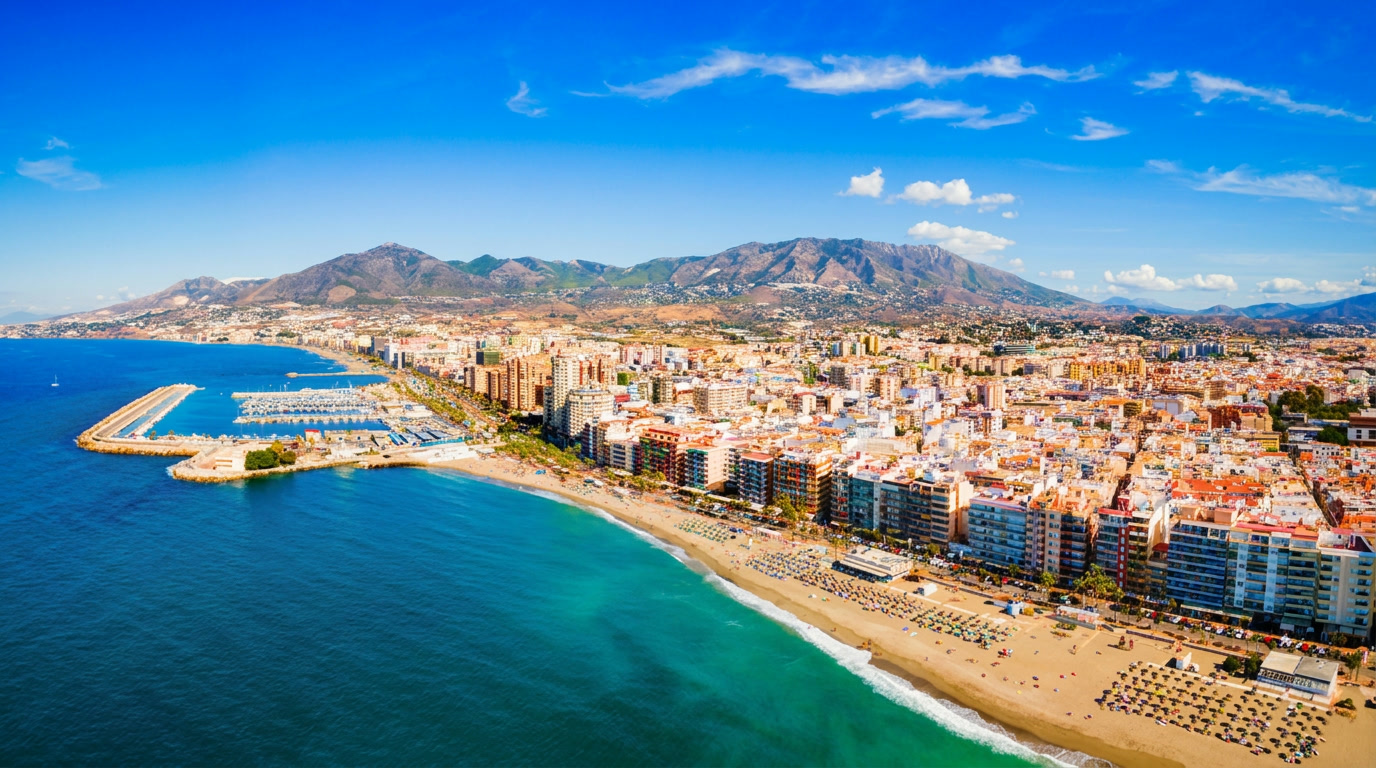
Fuengirola has one of the most established beachfront environments on the Costa del Sol.
Its long promenade, extensive sandy beaches and combination of residential and tourist facilities make it a destination that remains active well beyond the summer season.
The central beach is an excellent choice for winter visitors who want something convenient and easy to enjoy.
Unlike remote coastal areas, Fuengirola offers a substantial urban environment directly behind the beach. Restaurants, cafés, supermarkets, shops and public services are all within relatively easy reach.
This is particularly valuable during winter, when visitors may want to alternate between spending time outside and finding somewhere warm to sit.
The Paseo Marítimo Rey de España is one of the defining features of the town. Stretching along the coastline, it provides an extensive route for walking, running and cycling.
On sunny winter days, the promenade attracts residents of all ages. It is common to see people exercising, walking dogs, meeting friends or simply enjoying the sea air.
The beach itself offers plenty of space for walking, and its urban location makes it suitable for visitors who do not want to organise a complicated excursion.
Fuengirola also benefits from excellent transport connections.
The C1 railway line connects the town with Málaga Airport, Málaga city and other coastal destinations, making it one of the easiest places to visit without renting a car.
For families, the combination of an accessible promenade and nearby services is particularly useful.
Visitors who prefer a longer walk can explore different sections of the coastline, moving towards Los Boliches or other neighbouring beach areas.
Fuengirola may not have the wild scenery of Maro or the natural dunes of Cabopino, but it offers something equally valuable: convenience and an established year-round coastal lifestyle.
What makes it special in winter?
Fuengirola is one of the most reliable options for a spontaneous winter beach visit. You have a long promenade, plenty of urban services and convenient public transport.
It is particularly suitable for residents, families, older visitors and anyone who wants to enjoy the Mediterranean without travelling far from everyday amenities.
A practical tip: Explore the Los Boliches section of the promenade as well. It offers a slightly different atmosphere and plenty of opportunities to stop for food or coffee.
Why Winter Is an Underrated Time to Visit the Costa del Sol
The Costa del Sol's winter appeal is not simply about avoiding crowds. It is about experiencing the region in a different way.
During summer, the coastline is largely organised around tourism. Beach clubs, water sports, seasonal entertainment and busy restaurants dominate the experience.
Winter removes much of that intensity.
The result is a more relaxed environment in which visitors can appreciate the landscape, local neighbourhoods and everyday life along the Mediterranean.
More space to enjoy the beaches
One of the most immediate differences is the amount of available space.
Beaches that can become crowded during August often feel almost entirely different in January or February.
There is room to walk along the shoreline, find a comfortable place to sit and enjoy the scenery without feeling surrounded by hundreds of other visitors.
For people who live on the Costa del Sol, this is one of the best reasons to explore the coastline during the colder months.
A different kind of outdoor lifestyle
Winter is also an excellent season for activities that become less comfortable during the height of summer.
Walking, jogging, cycling and exploring coastal paths are all considerably more pleasant when temperatures are moderate.
The Senda Litoral, the developing coastal walking network across Málaga province, offers opportunities to explore different stretches of coastline.
Some sections are paved promenades, while others use wooden boardwalks or natural paths. The level of continuity varies depending on the municipality, but the project provides an increasingly attractive way to discover the coast.
Winter gastronomy by the sea
Food is another reason to visit the Costa del Sol's beaches during winter.
Traditional fishing districts such as Pedregalejo and La Carihuela, together with destinations like Burriana in Nerja, provide opportunities to enjoy local seafood and Mediterranean cuisine.
A long lunch beside the sea can be every bit as enjoyable in December as it is in July, provided the weather cooperates.
The important thing is to check opening schedules. Some chiringuitos operate throughout the year, while others reduce their hours or close temporarily during the quieter season.
Better opportunities for exploring the region
Winter also makes it easier to combine different destinations in a single trip.
A morning in Nerja can be followed by lunch in the town centre. An afternoon in Estepona can include a walk through the historic centre. A visit to Cabopino can be combined with exploring Marbella or Puerto de Cabopino.
Without the pressure of summer crowds, these excursions can become more spontaneous.
What Is the Weather Like on the Costa del Sol During Winter?
The Costa del Sol enjoys a Mediterranean climate, with generally mild winters compared with many northern European destinations.
However, visitors should not confuse mild winter weather with guaranteed beach weather.
November can still offer warm, sunny afternoons, while December, January and February tend to bring cooler temperatures and occasional periods of rain.
On a good day, temperatures can be comfortable enough to sit outside in the sunshine wearing light clothing. However, shade, wind and the time of day can make a significant difference.
The sea is also considerably colder than during summer.
While some residents and visitors enjoy winter swimming, it is not something everyone will find comfortable. Water temperatures generally fall during the winter months, and conditions can change depending on weather patterns.
For most visitors, the best approach is to think of winter beach visits as outdoor leisure rather than traditional swimming holidays.
A few hours walking along the shoreline, enjoying a beachfront lunch or relaxing in the sun can be more than enough.
Practical Tips for Enjoying Costa del Sol Beaches in Winter
Before heading to the beach, there are a few things worth considering.
Check the weather forecast. Sunshine is common, but strong winds and rain can quickly change the experience. Pay particular attention to wind direction and strength.
Bring an extra layer. Temperatures near the sea can feel cooler than expected, especially when sitting still or walking in exposed areas.
Choose the right beach for the conditions. Sheltered coves such as Playa del Cristo may be more comfortable on certain windy days, while exposed beaches can be unpleasant.
Check restaurant opening hours. Do not assume every chiringuito or beachfront establishment operates throughout the year.
Wear comfortable footwear. This is particularly important at natural beaches such as Maro and around the dunes of Artola.
Respect protected environments. Natural areas, especially the Artola dunes and Maro-Cerro Gordo coastline, require visitors to follow marked paths and respect local environmental regulations.
Do not assume lifeguards are present. Seasonal beach services are not necessarily available during winter. Swimming conditions should be assessed carefully, and visitors should avoid entering the sea during rough conditions.
Take advantage of daylight. Winter days are shorter, so planning an afternoon excursion earlier rather than later is usually worthwhile.
Final Thoughts: The Costa del Sol Is More Than a Summer Destination
There is a reason why so many people choose the Costa del Sol as a permanent home or an extended winter destination.
Beyond the summer tourism industry, the region offers a lifestyle built around outdoor activities, Mediterranean gastronomy, attractive coastal towns and an unusually pleasant climate for much of the year.
Its beaches are an important part of that experience, but they do not need to be enjoyed exclusively during the swimming season.
From the natural dunes of Cabopino and the dramatic cliffs around Maro to the traditional fishing neighbourhoods of Málaga and the long promenades of Estepona and Fuengirola, the coastline offers plenty of reasons to get outside during winter.
Some beaches are better suited to peaceful walks, others for lunch beside the sea, and a few provide the perfect combination of natural scenery and convenient facilities.
For residents, winter is an opportunity to rediscover places that might have become too familiar during the busy summer months. For visitors, it is a chance to experience a more authentic and relaxed side of southern Spain.
The Mediterranean may not always be warm enough for a swim, but on a sunny winter afternoon, with a coffee nearby and the sound of the waves in the background, it is easy to understand why the Costa del Sol remains such an attractive place to spend the colder months.
From the journal
Related articles
Costa del Sol at 50: A New Brand and the Long Fight Against Seasonality
Turismo Costa del Sol unveiled its new identity in May and took it to Madrid and Barcelona this week, marking 50 years since the 1976 Patronato. INE data show why the push for year-round visitors matters: August still brings three times January's hotel nights, and most of this year's growth came in January, March and April.
20 NOV 2026
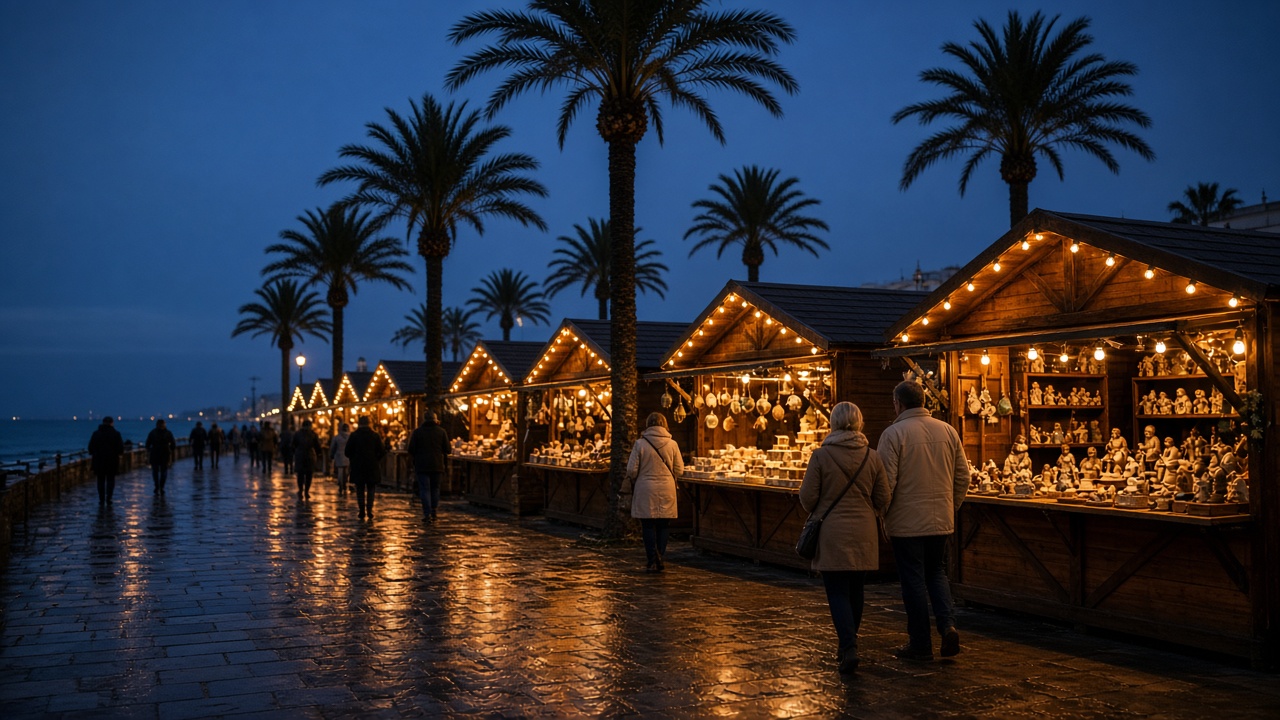
The Ten Christmas Markets Worth Visiting on the Costa del Sol This Season
From the Paseo del Parque in Málaga to Puerto Banús and Mijas Pueblo, a guide to the ten Christmas markets to plan around this season, with which 2026 dates are confirmed and which still rest on last year's calendar.
14 NOV 2026
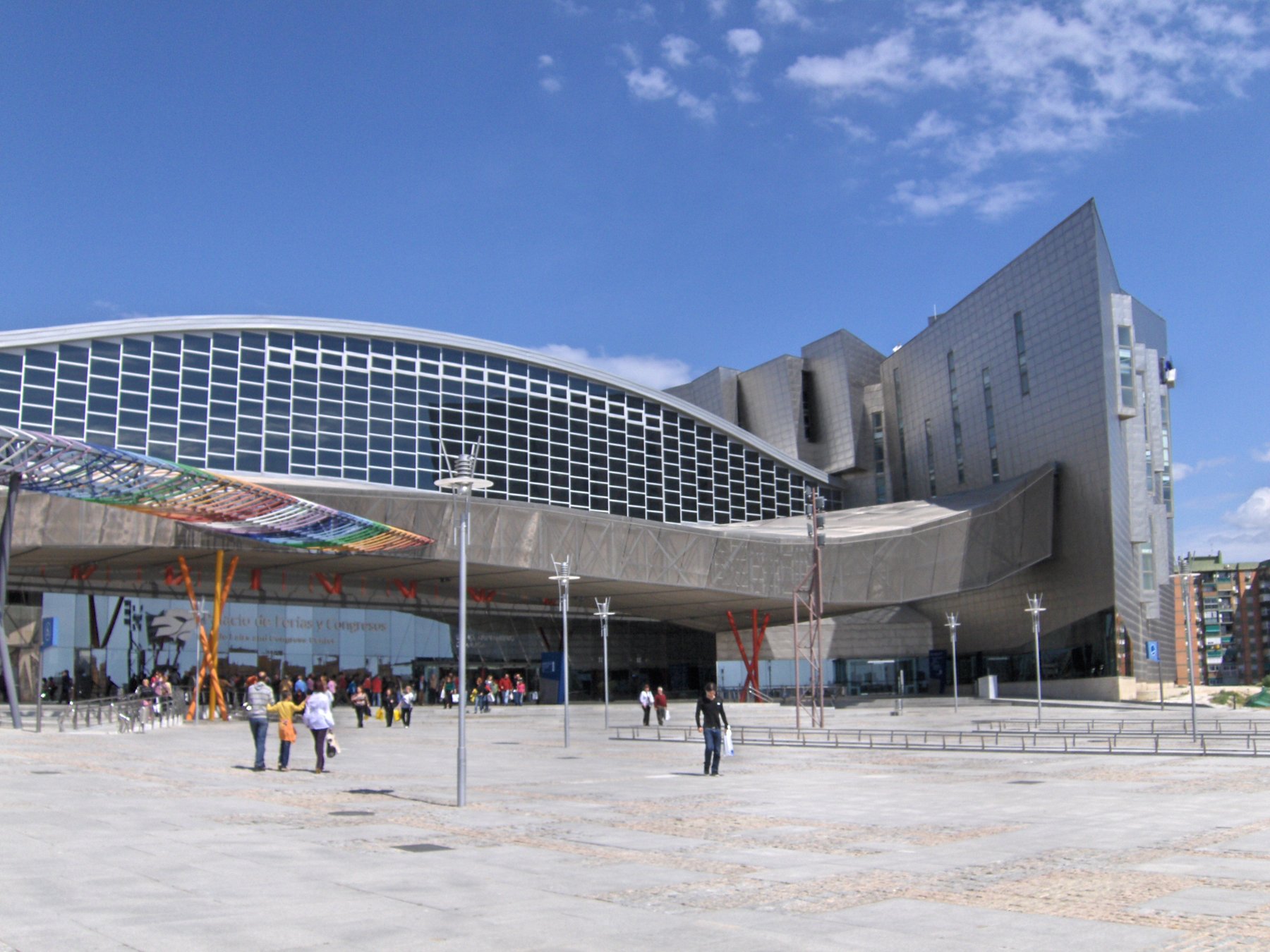
FYCMA: Málaga's Trade Fair and Congress Centre, and the Case for Building Bigger
Málaga's municipal trade fair and congress centre reported 147 events and 283,936 attendees in 2025 and now plans a 12,000-square-metre hall. A look at the building, its self-reported figures, its place in the ICCA table and the limits an extension would and would not solve.
16 NOV 2026
Live from the coast
Related wire dispatches
Costa del Sol Hoteliers Press Next Government on Power, Water, Housing and Transport
Aehcos, the Costa del Sol hoteliers' association, has launched 'Toca mirar por Málaga', a campaign asking Spain's next government to invest in six areas: electricity capacity, access to housing, transport, water, territorial balance and the coast, including completion of the Senda Litoral.
Benalmádena Gathers Beneteau Owners For A 21 November Regatta As The Nao Santa María Replica Ends Its Fuengirola Stay
Marina Benalmádena hosts a meeting of Beneteau owners on Saturday 21 November, with a family cruising regatta, a photo contest for motorboats and a lunch. Along the coast, the Nao Santa María replica is open to visitors at Fuengirola's marina until Sunday 22 November.
Marbella Remains Málaga's Dearest Market As Coastal Asking Prices Diverge
Idealista's October figures, reported by El Español on 5 November, put Marbella at €5,974 per square metre and Estepona at €5,070, while Cómpeta recorded the province's steepest annual rise, of 31.7 per cent.