The Materiality of Settlement: Furnishing the Coastal Villa
The transition from monolithic concrete to inhabited coastal sanctuary requires more than retail enthusiasm. Navigating the microclimate, solar exposure, and logistical realities of furnishing an architectural estate along the Southern coast.
By Mistral & Marea · Updated 14 OCT 2026
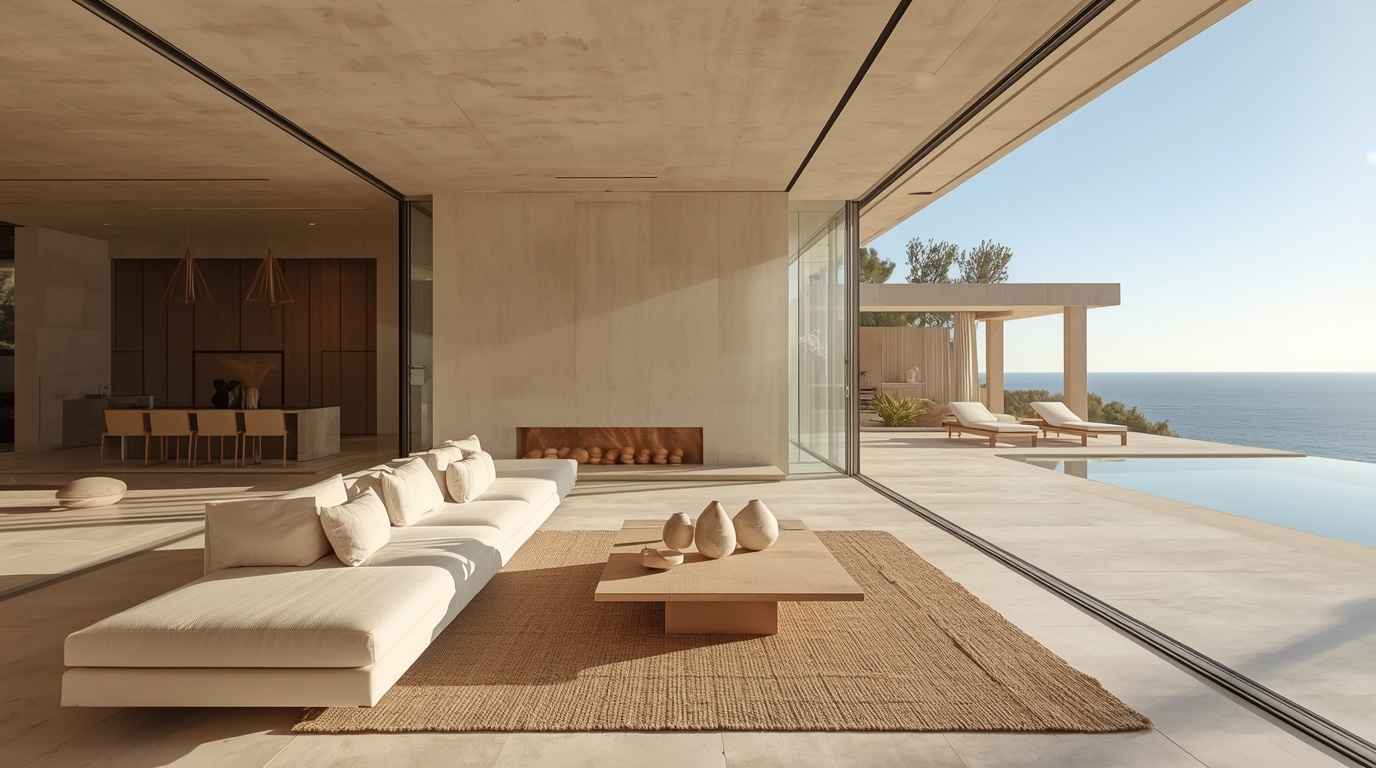
The Materiality of Settlement
When the deeds are executed at the notary and the keys handed over, the modern coastal residence enters its most delicate phase: the transition from structural monolith to inhabited sanctuary.
Across the private enclaves of the Golden Mile, La Zagaleta, and the rising promontories of Estepona, newly arrived owners often encounter a jarring friction. The architectural envelope—characterized by soaring double-height volumes, polished limestone slabs, and expansive glass curtain walls—demands a level of spatial and material discipline that cannot be satisfied by standard retail impulses.
Furnishing on the Costa del Sol is not merely an exercise in personal aesthetic. It is an environmental negotiation with intense Mediterranean solar irradiation, maritime salinity, and the rhythms of indoor-outdoor settlement.
The Climate Friction: Northern Reflexes vs. Maritime Reality
The most frequent error in coastal interior procurement is the uncritical import of Northern European instincts. Heavy velvet drapery, dense loop-pile wool rugs, and dark, heat-absorbent upholstery may provide cocooning warmth in London or Munich, but under the Andalusian sun they become oppressive.
In a region where summer temperatures reliably exceed 35°C and radiant sunlight reflects directly off the Alboran Sea, the interior palette must serve as an active thermal moderator.
The regional vernacular demands breathable, tactile honesty:
Textile Ecology: Unbleached linen, raw open-weave cottons, and washed jute that soften the hard acoustic bounce of stone without trapping humidity.
Timber & Joinery: Untreated native oak, aged walnut, and bleached teak that patina gracefully rather than warping under sudden shifts in seasonal moisture.
The Tactile Neutral: Terracotta, honed travertines, and lime-washed accents that harmonize with the pale light of the coastal morning rather than absorbing afternoon heat.
The Exterior Living Room: Terraces as Primary Volume
On the Southern coast, the covered portico and open solarium are not ancillary outdoor spaces—they are the primary daytime living room. Consequently, exterior furnishings face harsher environmental wear than any interior sofa.
The combination of airborne sea salt, ultraviolet degradation, and sudden Saharan dust storms (calima) quickly exposes poorly engineered furniture. Powder-coated marine-grade aluminum, high-density outdoor ropes, and quick-drying reticulated foam upholstered in solution-dyed acrylics are structural necessities, not luxuries.
Sourcing outdoor pieces solely for immediate showroom appeal invariably leads to degraded joints, faded weaves, and oxidized frames within two seasons. True luxury on the Mediterranean terrace lies in material longevity: furniture that weathers maritime exposure with quiet resilience.
The Sourcing Topography: Navigating the Southern Showrooms
Procuring for a significant residence across Málaga province requires orchestrating multiple tiers of the regional design market, from high-concept design houses to industrial logistical depots.
1. The Design-Led Contemporary Houses
For foundational contemporary silhouettes, brands like Kave Home, Zocco Home, and Zara Home have established strong footholds along the coast. Offering tailored Mediterranean forms with warm organic textures, they provide reliable baseline profiles for occasional tables, ceramic lighting, and dining chairs. However, relying entirely on ready-to-order catalogues risks diluting a private residence into an anonymous rental aesthetic.
2. Regional Independent Showrooms & Ateliers
The true personality of a coastal villa is forged in the independent design institutions dotting the N-340 arterial corridor between San Pedro de Alcántara and Estepona. Flagship ateliers such as A. Benítez, Mukaby, and Mad About Furniture provide bespoke joinery, generous sectional sofas scaled to expansive villa dimensions, and direct sourcing of statement European items. For bespoke textiles, soft furnishings, and layering, specialists like Yorkshire Linen supply the linen foundations essential for coastal sleep environments.
3. Investment Design & Haute Curation
For landmark estates requiring architectural presence and sculptural weight, sourcing shifts to luxury arbiters such as The Majlis in Marbella or Eichholtz. Here, procurement transcends off-the-shelf retail, operating through trade access, bespoke commissions, and vetted interior ateliers who manage custom millwork and fabric runs.
The Structural Reality of Logistics
Beyond material selection, foreign buyers often underestimate the physical realities of Southern Spanish logistics.
High-end bespoke upholstery and European factory orders routinely carry production windows of eight to sixteen weeks—often extending further during the traditional August factory closures. Furthermore, delivering oversized sectional sofas and monolithic stone tables to cliffside villas or top-floor penthouses with narrow perimeter access requires careful crane planning, freight coordination, and bilingual liaison with local delivery crews.
A home on the Costa del Sol is not completed in a single retail sweep. It is assembled through deliberate spatial planning, respect for the local microclimate, and a rigorous material palette capable of standing the test of Mediterranean light and time.
Source: Mirela B. Interiors
From the journal
Related articles
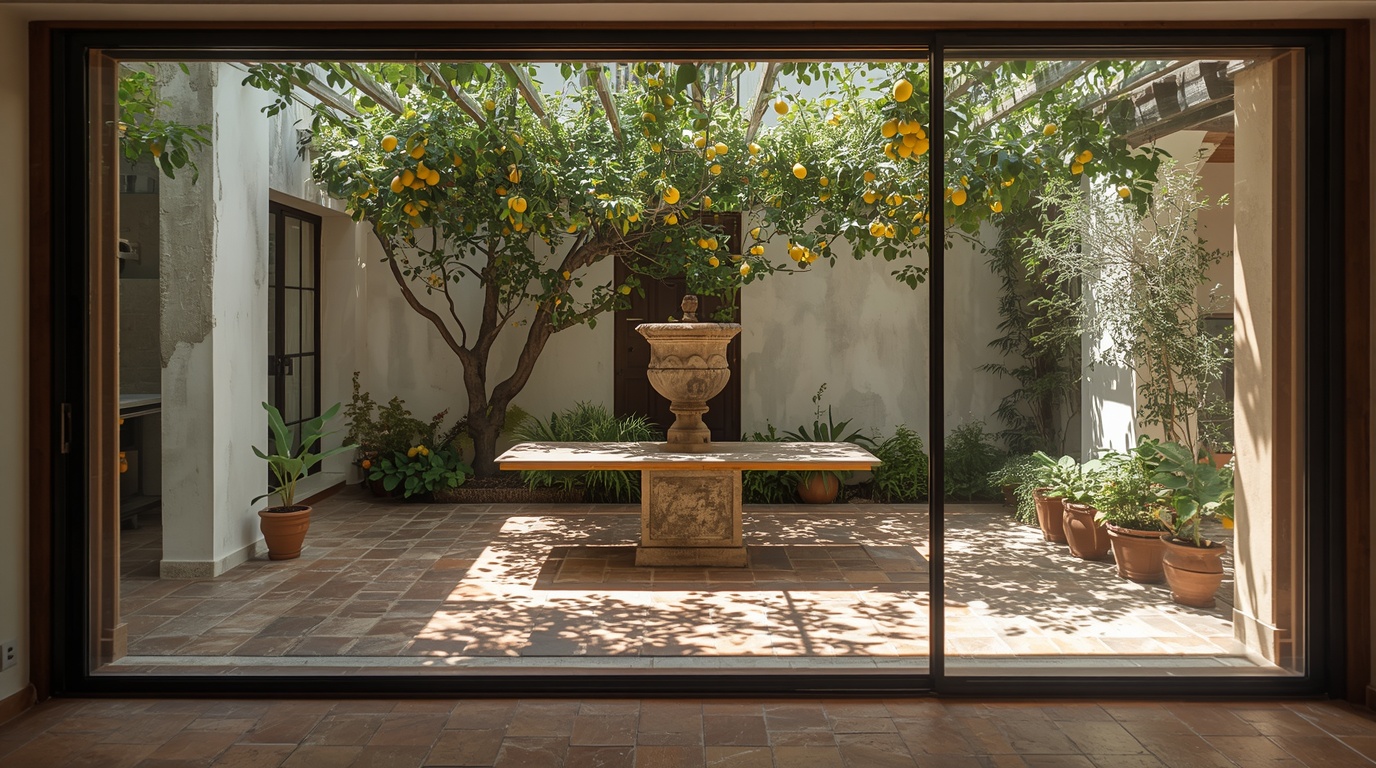
The Art of the Courtyard: A Rebirth in Estepona
An examination of the central patio as the heart of Estepona's traditional domesticity, reimagined for contemporary life.
13 OCT 2026
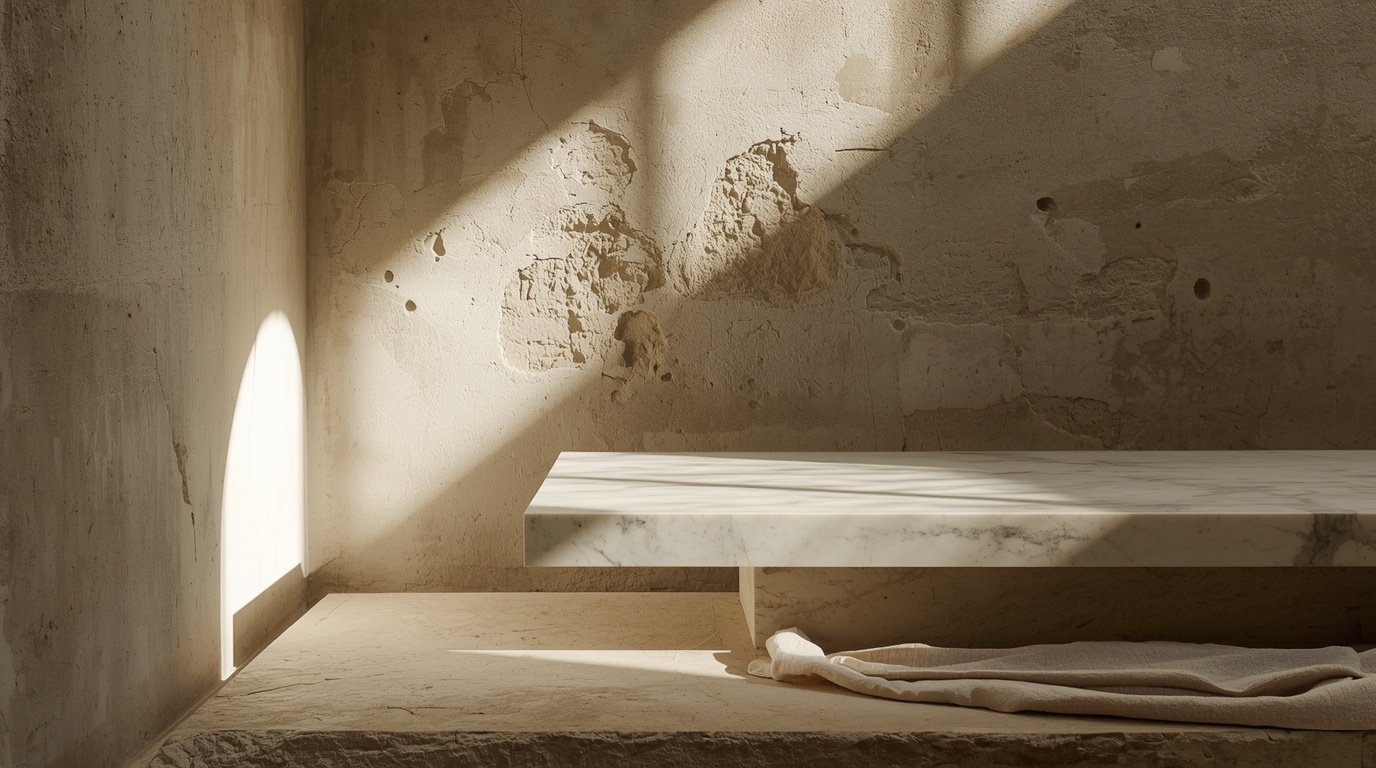
The Weight of Silence: Limestone and Light in Estepona
In an Estepona renovation, traditional masonry meets contemporary restraint, proving that silence is the most vital architectural material.
13 OCT 2026
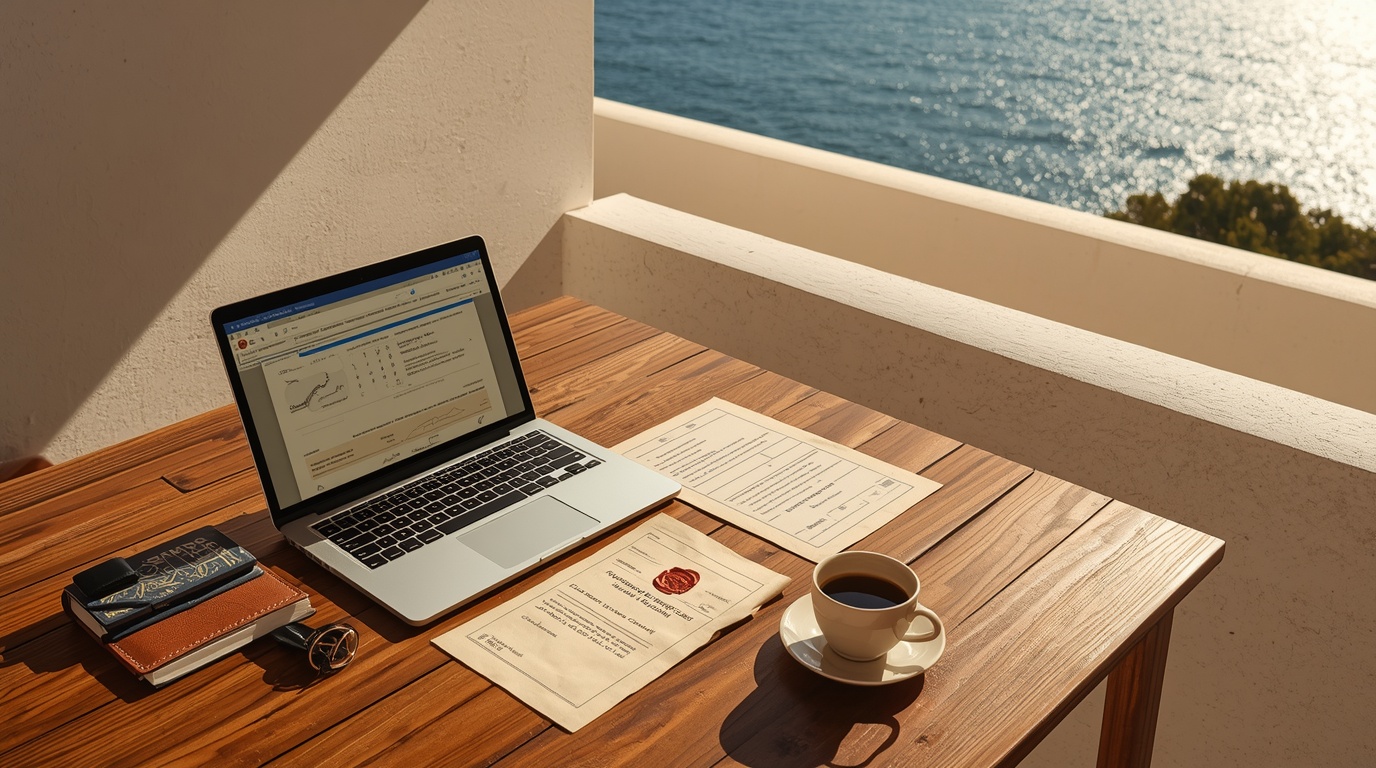
The Mechanics of Transience: Sovereign Remote Settlement and the UGE Conduit
The Spanish Digital Nomad Visa promises seamless European residency, but statutory reality is dictated by the fine print of administrative law. An examination of the direct UGE vector, bilateral social security bottlenecks, and the structural discipline required for permanent Mediterranean settlement.
14 OCT 2026
Live from the coast
Related wire dispatches
Interior Design Trends In Benahavis Pivot Toward Localized Materiality And Sustainable Craftsmanship
High-end residential interiors in Benahavis are increasingly incorporating locally sourced stone and timber. This shift reflects a broader design movement toward sustainability and regional identity in luxury property development.
Sustainable Luxury: Integrating Eco-Conscious Materials Into Estepona’s High-End Interiors
Sustainability is no longer a niche concern in Estepona’s interior design market. Designers are successfully blending eco-conscious materials with high-end luxury to meet client demand.
The Evolution Of The Kitchen: From Utility To Social Hub In Estepona Villas
The kitchen has become the social center of the modern Estepona home, with designs that prioritize communal interaction and seamless integration into the living area.