Guilds of the Guadalhorce: A Portrait of Seasonal Labor
A cultural history of the families and individuals who defined the ceramic landscape of Coín through generations of craft.
By Mistral & Marea · Updated 14 OCT 2026
Guilds of the Guadalhorce
The Social Fabric of the Guild
To understand the ceramic guilds of Coín is to understand the social structure of the valley itself. These organizations were more than professional associations; they were kinship networks that spanned generations. Each family held specific knowledge regarding the firing temperatures of their kilns and the precise mixtures of clay used for different structural components. The guild was the repository of this tacit knowledge, passed down through apprenticeship and oral tradition. In the records of the local parish and civil registries, one finds the names of the alfareros reappearing over centuries, anchoring the family identity to the craft.
The Calendar of the Kiln
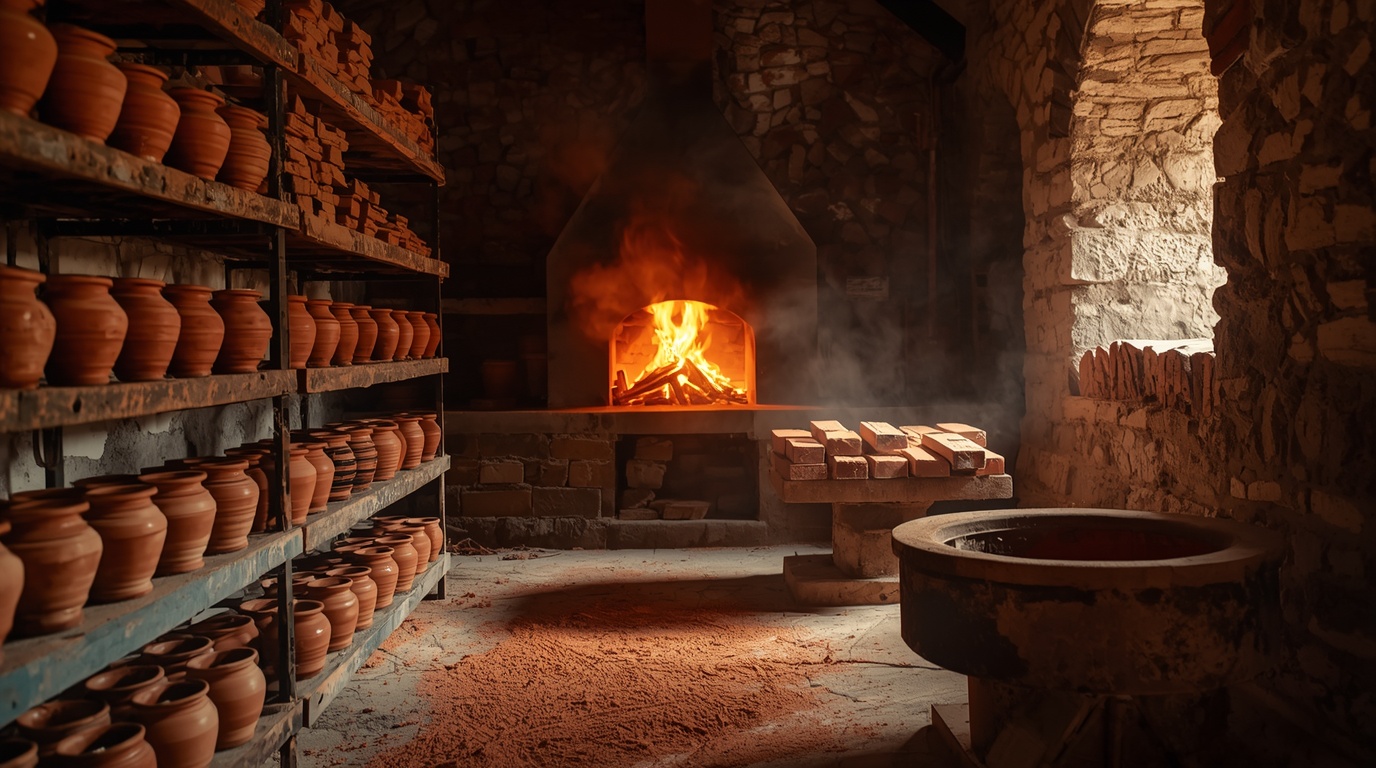
The life of the artisan in Coín was dictated by the agricultural and meteorological cycles of the region. The firing of a large kiln was an event that required the coordination of multiple households, often involving the entire community. As the harvest ended and the temperature dropped, the kiln fires became the focal point of the town’s winter activity. This seasonal rhythm created a unique cultural landscape, where the production of building materials was inextricably linked to the broader life of the community. It was a time of intense collective effort, followed by the quiet work of distribution and sale in the regional markets.
Artisanal Identity and Municipal Life
The ceramic guilds held a distinct place in the civic life of Coín. They were represented in the town council and played a role in the regulation of trade and quality control. According to the Archivo Histórico Municipal de Coín, the guild masters were responsible for ensuring that all construction materials met the standards required for the durability of public buildings. This institutionalized trust allowed the guild members to maintain a high level of autonomy while serving the common good of the town. Their identity was shaped by this dual role as private artisans and public servants.
The Aesthetic of the Utility
The products of the Coín guilds—roof tiles, floor bricks, and water vessels—were characterized by a lack of unnecessary ornamentation. Their beauty derived from the purity of the material and the precision of the form. The red clay, when fired, acquired a deep, earthy patina that responded to the light of the Andalusian sun. This aesthetic of utility is a reflection of the pragmatic culture of the valley. There was no room for waste; every piece produced had to fulfill its function, whether as a protective tile or a vessel for transport.
Generational Knowledge and the Shift in Production
The mid-20th century brought significant changes to the ceramic industry in Spain, as industrial manufacturing began to replace traditional methods. In Coín, this transition was gradual, as many families resisted the shift toward mass-produced, standardized materials. The struggle to maintain the guilds in the face of economic pressure is a poignant chapter in the town's history. While many of the smaller kilns eventually shuttered, the cultural memory of the craft remains, preserved by the descendants of the original guild masters and the local historical institutions.
Preserving the Material Memory
Today, there is an effort to document the remaining evidence of these guild workshops before they disappear entirely. The restoration of old kilns and the archival work being done by local historians serve to bridge the gap between the past and the present. By honoring the labor and the lives of those who worked the clay, the town of Coín is reclaiming a vital part of its cultural heritage. This effort is not about romanticizing the past but about recognizing the value of human-centric production in an era of global standardization.
Reflections on a Disappearing Craft
The legacy of the ceramic guilds of Coín is a testament to the resilience of human ingenuity in the face of changing times. Their focus on quality, their commitment to the community, and their deep connection to the land provide a compelling alternative to the disposable culture of the modern world. As we look at the remnants of their work, we are reminded of the importance of material culture as a carrier of memory and meaning. The guilds may be gone, but their influence continues to shape the character of the town, one brick at a time.
Sources and Notes
This portrait is based on oral histories collected by the Archivo Histórico Municipal de Coín, genealogical data from local parish records, and secondary literature concerning the cultural history of craft guilds in Southern Spain. Context on the transition to industrial production is informed by studies on 20th-century economic shifts in the Andalusia region.
“The daily record is where a place reveals its actual rhythm.”
Mistral & Marea · field note