Fontana & Hijos: Four Generations of Fat Lime Plaster
The Fontana family has been mixing slaked fat lime plaster in the same Marbella courtyard since 1908. Their slow-set technique is now specified by architects across Andalusia.
By Editorial Team · Updated 06 OCT 2026
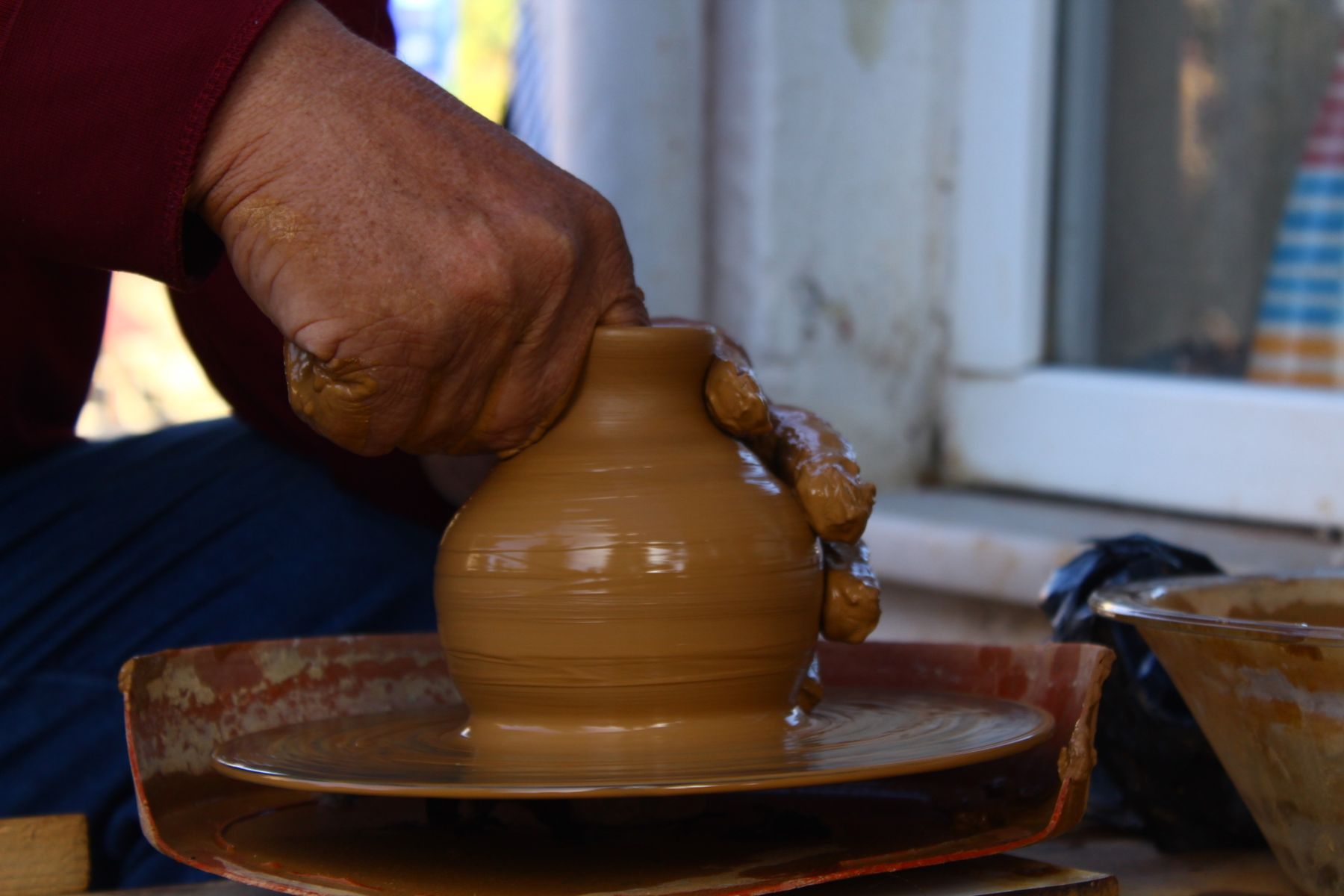
Fontana workshop producing traditional fat lime plaster
The Family
The Fontana workshop occupies the same courtyard off Calle Ancha that Giuseppe Fontana rented in 1908 when he arrived from Genoa. His great-grandson, Mateo, now runs the operation, mixing plaster in the same lime pit — relined twice, but never relocated.
The Technique
Fat lime — also called lime putty — is slaked from quicklime and aged for a minimum of 18 months in pits. The extended slaking period produces a plaster that cures slowly through carbonation, rather than the rapid hydration set of modern gypsum plasters. The result is a surface that is harder, more flexible, and capable of bridging minor substrate movement without cracking.
My great-grandfather mixed it. His grandfather built with it. The building is still standing. The plaster is still on the wall.
Modern Applications
The Fontana plaster is now specified on restoration projects in the Málaga cathedral and on high-end residential projects in Sierra Blanca. The workshop produces approximately 40 tonnes per year — a fraction of industrial output, but enough to service the projects that demand it.
“The daily record is where a place reveals its actual rhythm.”
Mistral & Marea · field note
Related live wire